








Inside PALY: James Franco and Kyle Lindgren on Turning Hollywood Mythology Into Wearable Art
The creative duo discusses exclusively with Hypebeast their creative process, the influence of skate culture, and treating Hollywood as raw material for their latest collection, now available on HBX.

Inside PALY: James Franco and Kyle Lindgren on Turning Hollywood Mythology Into Wearable Art
The creative duo discusses exclusively with Hypebeast their creative process, the influence of skate culture, and treating Hollywood as raw material for their latest collection, now available on HBX.
When the world paused in 2020, a casual lockdown ritual among friends sparked an unexpected creative partnership. Actor and artist James Franco, alongside Kyle Lindgren—a designer who cut his teeth at the legendary skate imprint Fucking Awesome—found themselves collaborating on a whim, throwing Franco’s quarantine sketches onto denim jackets. That initial experiment quickly evolved into PALY, a brand that operates less like a traditional fashion label and more like a portal into a cinematic universe.
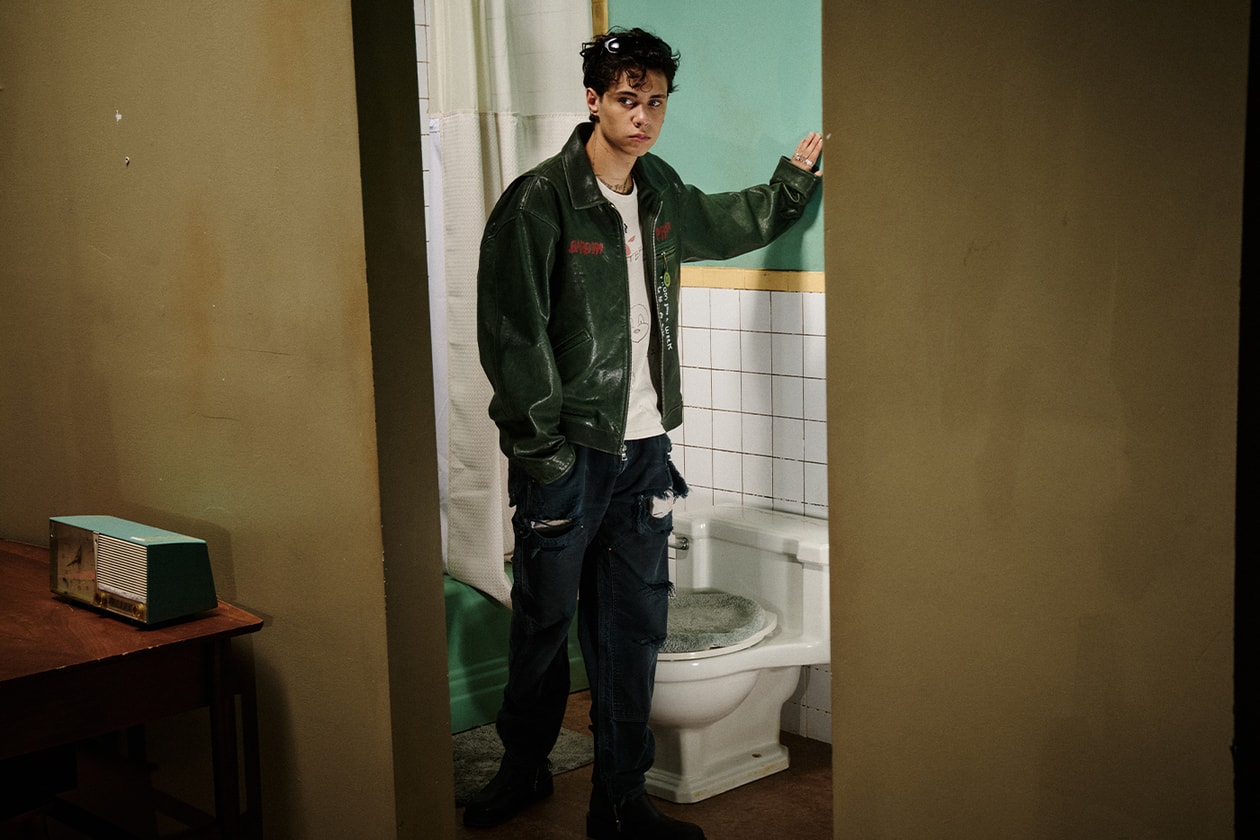
Rooted deeply in the mythology, glamour, and darker underbelly of Los Angeles, PALY uses Hollywood itself as its raw material. Drawing inspiration from the esoteric lore of Kenneth Anger’s Hollywood Babylon and the subversive energy of ’70s punk, the duo crafts heavily treated, lived-in garments that feel like artifacts pulled from a secret layer of the entertainment industry. Franco drives the overarching narrative and artwork, acting as the brand’s conceptual director, while Lindgren translates those abstract ideas into physical textiles through an obsessive, hands-on production process.
To celebrate the arrival of PALY’s latest collection on HBX, we sat down with Franco and Lindgren to discuss the brand’s organic origins, the blurring lines between luxury fashion and cinema, and how they are building a wearable world where everyone gets to play a part.

Paly
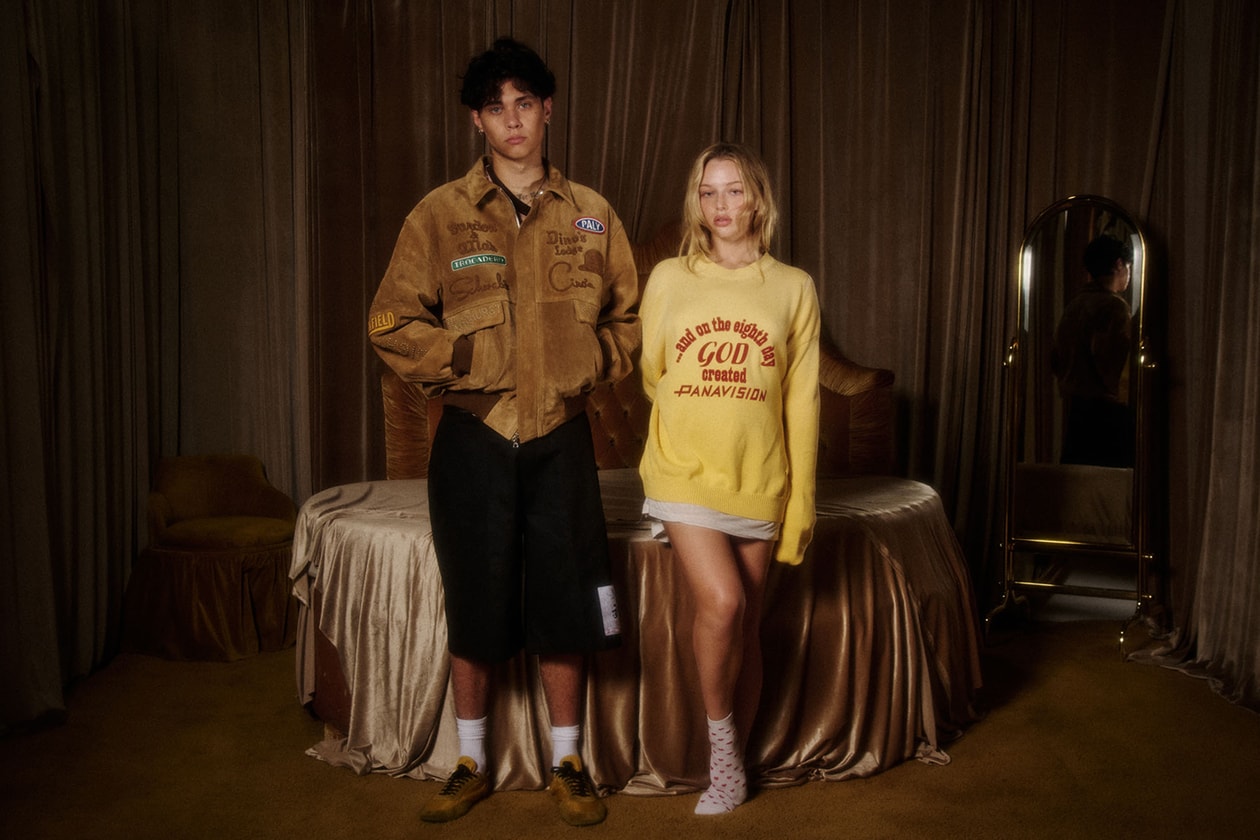
Paly
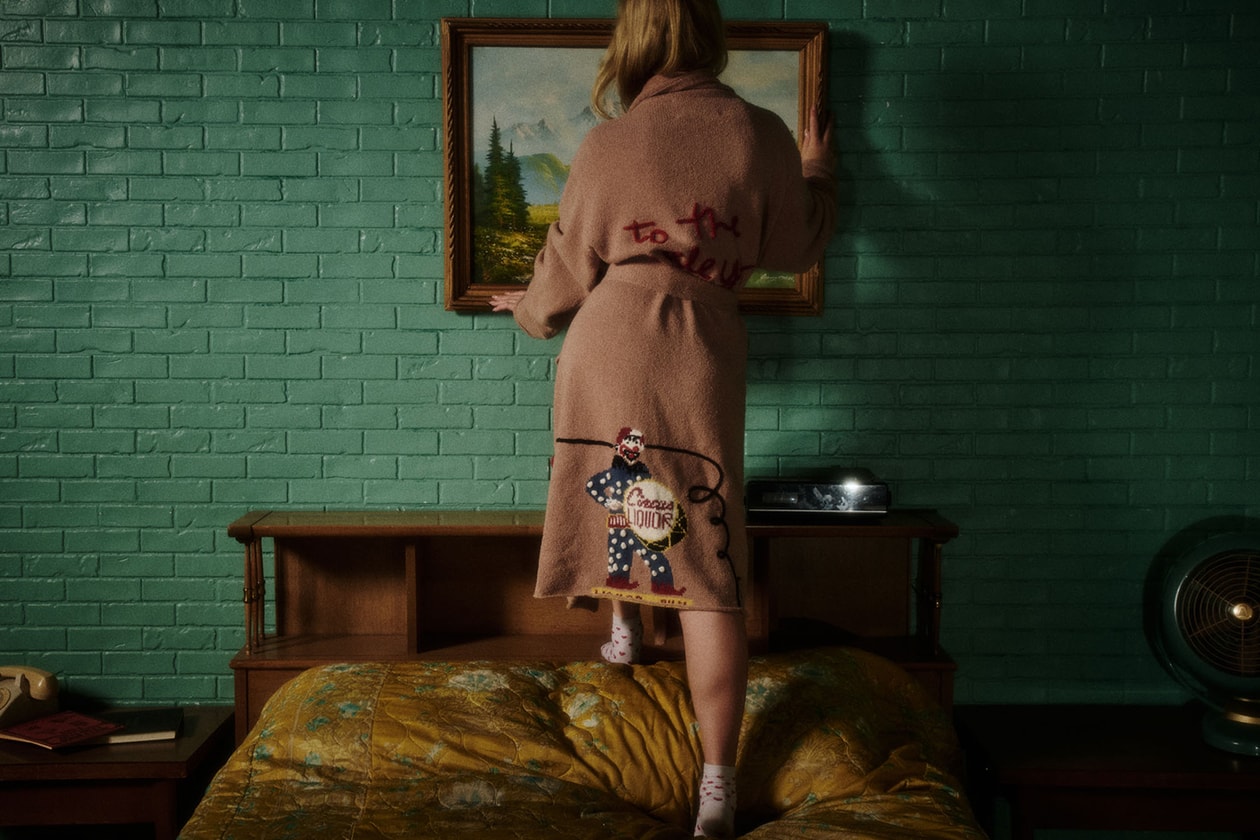
Paly
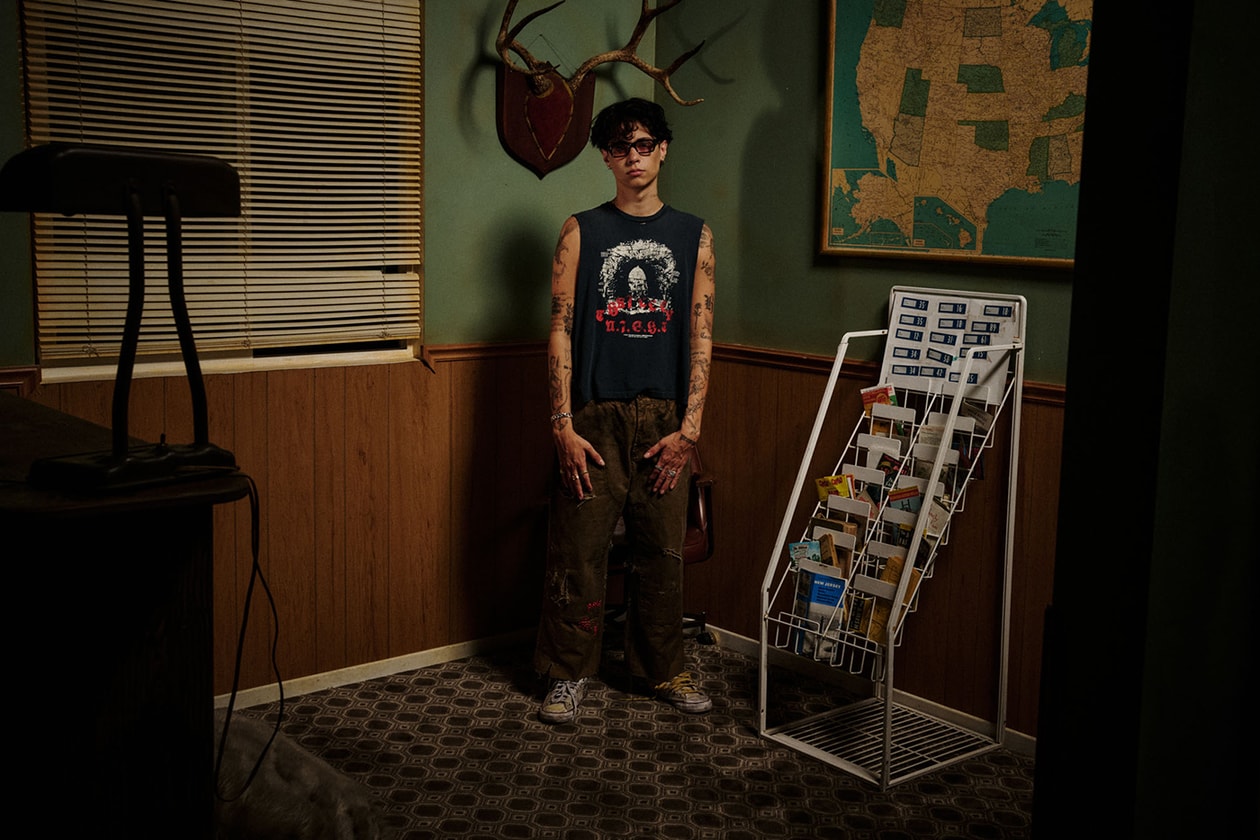
Paly
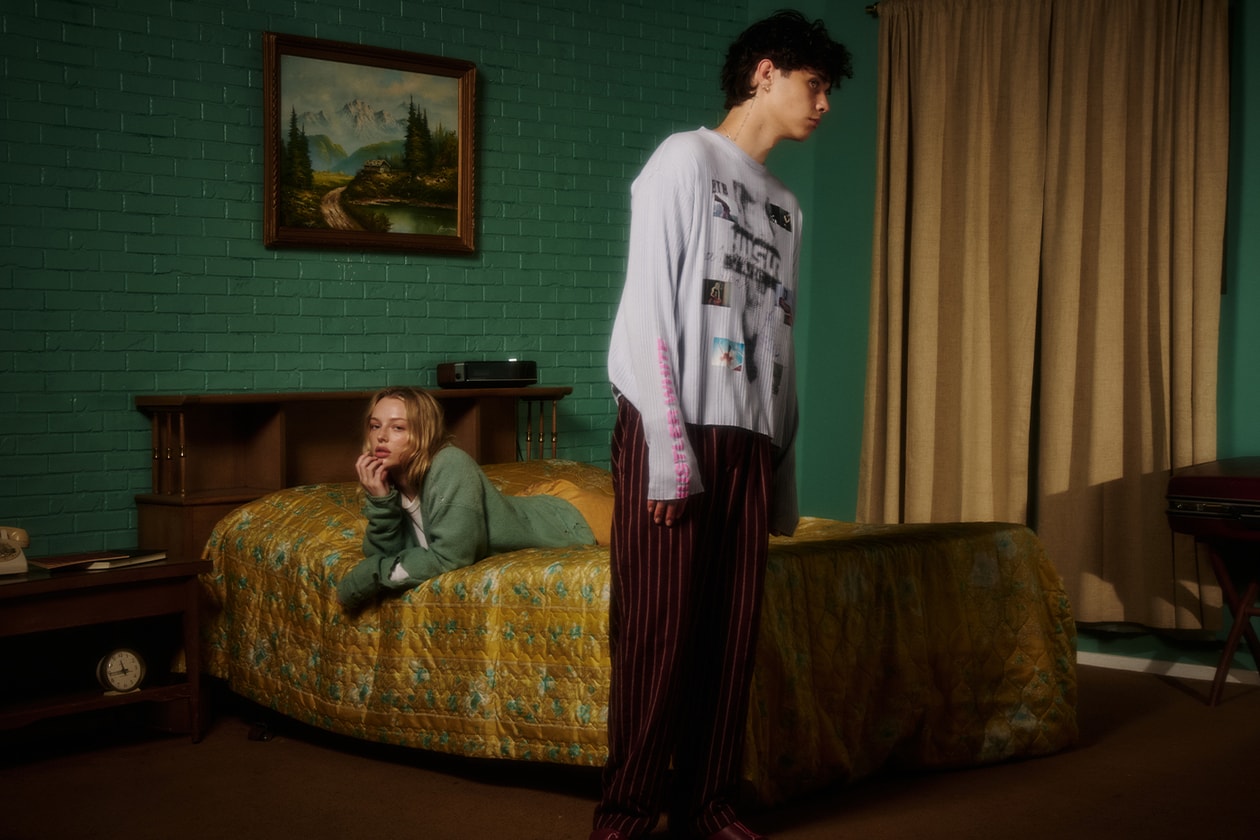
Paly
Paly
Hypebeast: You two met through mutual friends right in the middle of the COVID-19 lockdowns—a very classic LA story of crossing paths when the world was paused. How did those initial conversations evolve from just hanging out into the actual creative partnership that birthed PALY?
James Franco: We knew each other for years before Covid, but it was a pure friendship. We would surf, play tennis, go to Coachella, see movies, it was just our friend group. I was there when Kyle went through fashion school and then started working at FA. When COVID hit, our friend group started watching The Bachelor together every week, and I would be drawing during the show because I had started making art again during the pandemic. And then Kyle had an epiphany and asked me to draw on some denim jackets and it was the beginning of something. It inspired Kyle to make some silhouettes for Ts and Hoodies and we started to put some of my drawings on those.
At that time, I think the conversations were about the DNA of the brand. The themes we wanted at the core of what we were making. Paly is very much about story telling, most of the pieces touch on old Hollywood history and legends, but we had to figure all of that out. We talked a lot about the inner DNA and the outer DNA, meaning, the substance of the storytelling would be about old Hollywood, and LA history, while the designs would be looking toward punk rock and vintage inspirations.
Right now, we’re watching massive luxury houses step into the entertainment space, essentially operating like film production studios. Since you both are approaching this from seemingly opposite directions—bringing a cinematic foundation into the world of clothing—what’s your take on this blurring of industries? Where does PALY carve out its space in that crossover?
JF: I went to a bunch of different MFA programs, and one of the main things a person is looking for in those programs is his or her unique voice and approach. And because I already had a career in film, I realized that maybe my thing would be bringing all these worlds together. In fine art, most of my favorite artists were looking at Hollywood and movies as subject matter that they would bring into their practice and then transform for their own purposes. But they were artists outside of Hollywood looking in. I was someone who had worked in Hollywood and now had this new position to look back on my place in the film industry and make new kinds of work out of it. Essentially, I now had one foot in Hollywood and one out of it. I could look at it from a new vantage point, but there was also energy generated from my having been a part of Hollywood.
So, when Kyle and I started Paly, it was one more opportunity to do this. To look at Hollywood, but from a slight remove. Paly is a chance to revitalize old stories, to make the films and mysteries of the last hundred years feel new again. I love that fashion, film, art, and literature are all blending more and more; that is the space that I live in.
I’m curious about the actual day-to-day creative process between the two of you. When you decide to fuse a cinematic narrative with a garment, how does that start? Who brings what to the table to make sure it feels like a piece of storytelling rather than just a graphic on a shirt?
JF: At the beginning of the season, Kyle and I talk about an overarching theme. Something that will flow through the whole collection. Once we have a theme, we brainstorm about what kind of characters and stories are under that umbrella. We have a layout of the kind of skews we need to make that season, so then we talk about the kinds of pieces we want to create in addition to our established stuff. At that point, we both go at it, working on designs separately, putting designs together, and matching them with the imagery and stories that we discussed before. And we share our ideas back and forth, so each piece is worked on by both of us. Kyle is the master of materials, so he then has to work with the team to figure out how to manufacture the stuff, which is its own magic trick.
You have both brought that storytelling mentality to PALY. But once that narrative or “universe” is set, how do you translate those cinematic concepts into the actual textiles? Can you walk me through PALY’s production and development process—how much trial and error goes into the distressing and specialized treatments to get that perfectly aged, authentic feel?
JF: This is Kyle’s specialty. They go into the mad scientist lab in Los Angeles and work out their Frankenstein experiments.
Kyle Lindgren: In the beginning of the brand, it was just survival mode. I was running around downtown Los Angeles like a maniac, meeting with local fabric suppliers and wash houses using the connections I had developed at Fucking Awesome, which was rather minimal since they produced the majority of their items overseas. So I was learning to navigate this domestic sourcing and manufacturing world while simultaneously trying to build the infrastructure needed to support a small business. It was honestly the hardest I had ever worked in my entire life. A 16-hour day would have been an easy one back then. In recent collections, now that I’ve gotten a little breathing room, we actually have the time to develop and test different washes and fabrications before going into the proto stage. I usually have a very specific appearance and hand feel I’m trying to reach, and I’ll stop at nothing until I get there. If I have to go into the back of a facility and put some gloves on, I will. I like to be very hands-on. Almost to a fault, where it might affect other parts of the business because I’m too fixated on perfecting some minute detail that no one will probably ever notice.
You’ve had actors like Jacob Elordi organically wearing your pieces. Because the brand is so steeped in film history and the lore of LA, do you think part of PALY’s appeal is that it feels like a secret, “insider” brand for Hollywood? Is that who you ultimately design for?
James Franco: I feel like Paly is speaking to a secret layer of Hollywood, a layer that is like the subconscious of everyone who lives and works in LA. Kenneth Anger is a big inspiration for so many reasons: he was making films in Hollywood, but he wasn’t of Hollywood; he was an outsider working on the edge of Hollywood. And when he wrote Hollywood Babylon, he did this magic trick where he turned Hollywood history and gossip into something else; he transmuted it into a whole quasi-religious genealogy out of the strata of old Hollywood dynamics. It was almost like he turned Hollywood into a metaphor for heaven and hell, and all the actors and directors and producers were Gods and angels and devils, and their lives became metaphors for something bigger. Hollywood as a Greek tragedy. And I like the idea that Paly is operating on that level—that there’s a whole secret world we’re engaged with beneath the surface world.
You’ve already built such a specific, lived-in universe with PALY right out of the gate. When you think about where the brand goes next, how do you actually evolve the story? Are you looking to explore completely different “genres” or eras of Hollywood for future collections, or is the focus just pulling people deeper into the world you’ve already created?
James Franco: We want to keep evolving, but I think always being conscious of our roots. One way we’re starting to evolve is through collaborations with artists that we love—as I have experienced working with so many different kinds of people in the film world, collaboration takes you to places that you wouldn’t be able to go on your own. The beautiful thing about old Hollywood and film and Los Angeles history and music is that it’s endless. There are so many corners we want to explore, it’s endless. We can visit different time periods, but each era has a whole pantheon of players, and a cornucopia of stories, and each one of those can be visited in great detail. Almost like each season is a bunch of little movies.
KL: I think James captured it perfectly regarding the expansion of the narrative element to the brand. As a product guy, to expand the brand, I think I’m more focused on adding depth to the categories. Being only in the 4th year of the brand, there are still a lot of categories that have been relatively unexplored. I’m most excited about adding tailored pieces and some more versatile items that are less graphic-focused and more about the silhouette, wash, and fabric. I want to make sure we have an offering beyond just graphic tees, hoodies, and hats.
PALY seems deeply rooted in the underlying mythology and the more enigmatic layers of Los Angeles. Rather than just pointing a critical finger at the entertainment industry, you’re using it as a raw material—a creative lens to build something completely new. How do you take the abstract, almost surreal elements of Hollywood and physically weave them into a garment?
JF: Exactly. This is sort of what I was saying about what I was trying to do once I got out of art school. I had been in Hollywood as an actor and director, but once I stepped to the side and looked back at Hollywood through the lens of the art world or the fashion world, I could use Hollywood as raw material to make not necessarily more movies, but other things: paintings, clothes, non-traditional performances and videos. That’s what Paly allows me to do. And because fashion is art that people wear, and the art is about Hollywood, it is working on so many levels. We can reactivate old movie idols and legends in new ways because they are presented on clothes that the original subjects never wore—for example, James Dean never wore Vivian Westwood punk shirts, but now he is being reactivated in these contemporary designs, designs that themselves are both modern and also looking back to different periods in fashion history. But also, because we’re making garments, people are wearing the art, and in that way, everyone is becoming a kind of actor—we’re all participating in this subterranean level of things. It’s like a cult, but a cult that says nothing more than, “we’re attuned to the underside of things.” Like we’re all in a David Lynch film, and on the surface everything is in place, but just beneath the surface, there is all this other stuff going on. And Paly is a portal to that other side of things.
Following up on that, James, what parallels do you see between the way Kyle learned to build a world in the streetwear space and your own experience building worlds on a film set?
JF: I think fashion and movies are both portals. They transport people to other worlds, to other ways of seeing the world and ways of presenting themselves. I wrote a book called Actors Anonymous, and one of the themes is the way life is a performance. And clothes are our wardrobe for that performance. I suppose in the film world, I was helping construct worlds and stories that people watched and entered through observation, and in fashion, Kyle was learning to create garments that allowed people to enter the “film” of their lives. With the advent of social media, almost everyone became a performer. So, now we’re working on creating a “film” world where everyone is a participant. Paly allows you to enter a world where life is a movie.
Kyle, before PALY, you spent time at Fucking Awesome working alongside Jason Dill. Skate and streetwear brands are masters at building cult universes. How has your experience there influenced the way PALY approaches world-building and storytelling?
KL: At FA, that was all Dill; I was just a humble soldier in the art/design room trying to learn and soak up as much information as I could. I asked a million questions and was often eavesdropping on all meetings within earshot. I think that’s what allowed me to build and operate PALY with such a small team in the early days. Concerning design direction and storytelling, working at an art-focused brand certainly shaped the way I approach designing at PALY. I think most designers would probably start with fabrics and silhouette, but I’m often looking at James’ art and working backwards from there. The story and artwork come first, and the finished garment is just the product of how successful I was at bringing the two together. In my opinion, there’s 4 pillars to a great piece: The fabric/wash processes, the silhouette and design details, the print and embellishment techniques, and the actual art, graphic design, and storytelling of the piece. If you can execute on all four of those at a high level, the result will always be an undeniable product.
PALY SS26 is now available at HBX.


