











Hypeart Visits: Yichen Ji on the Human Side of Technology


For Yichen Ji, technology is more than a tool for making art. It’s a way to explore how we experience the world, connect with one another and make sense of things that don’t always have clear answers.
Raised in Shanghai and now based in New York, Ji works across digital media, sculpture, installation and printmaking, often bringing computational processes into conversation with traditional materials. His work moves between the familiar and the futuristic, finding unexpected ways to make abstract ideas feel tangible.
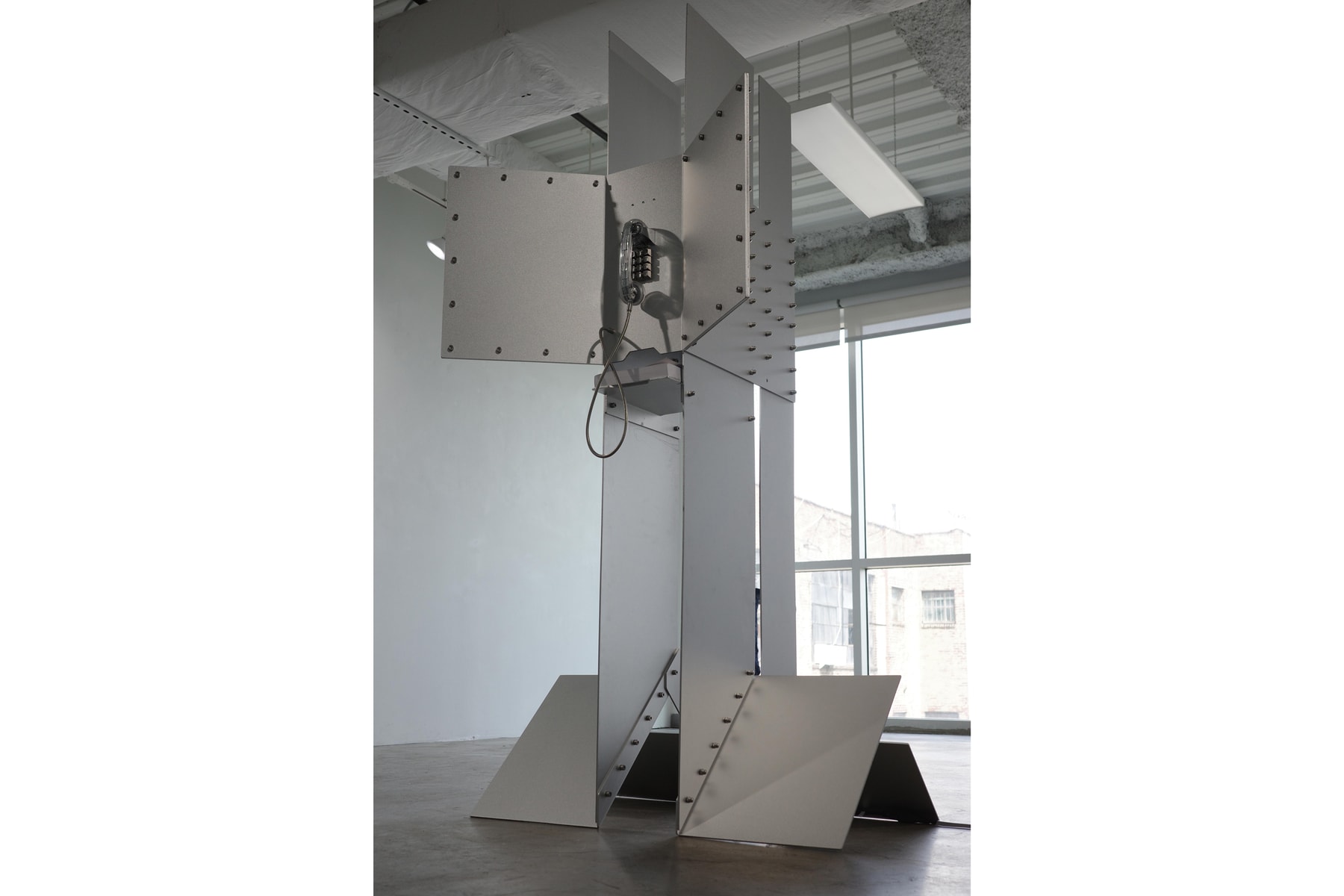
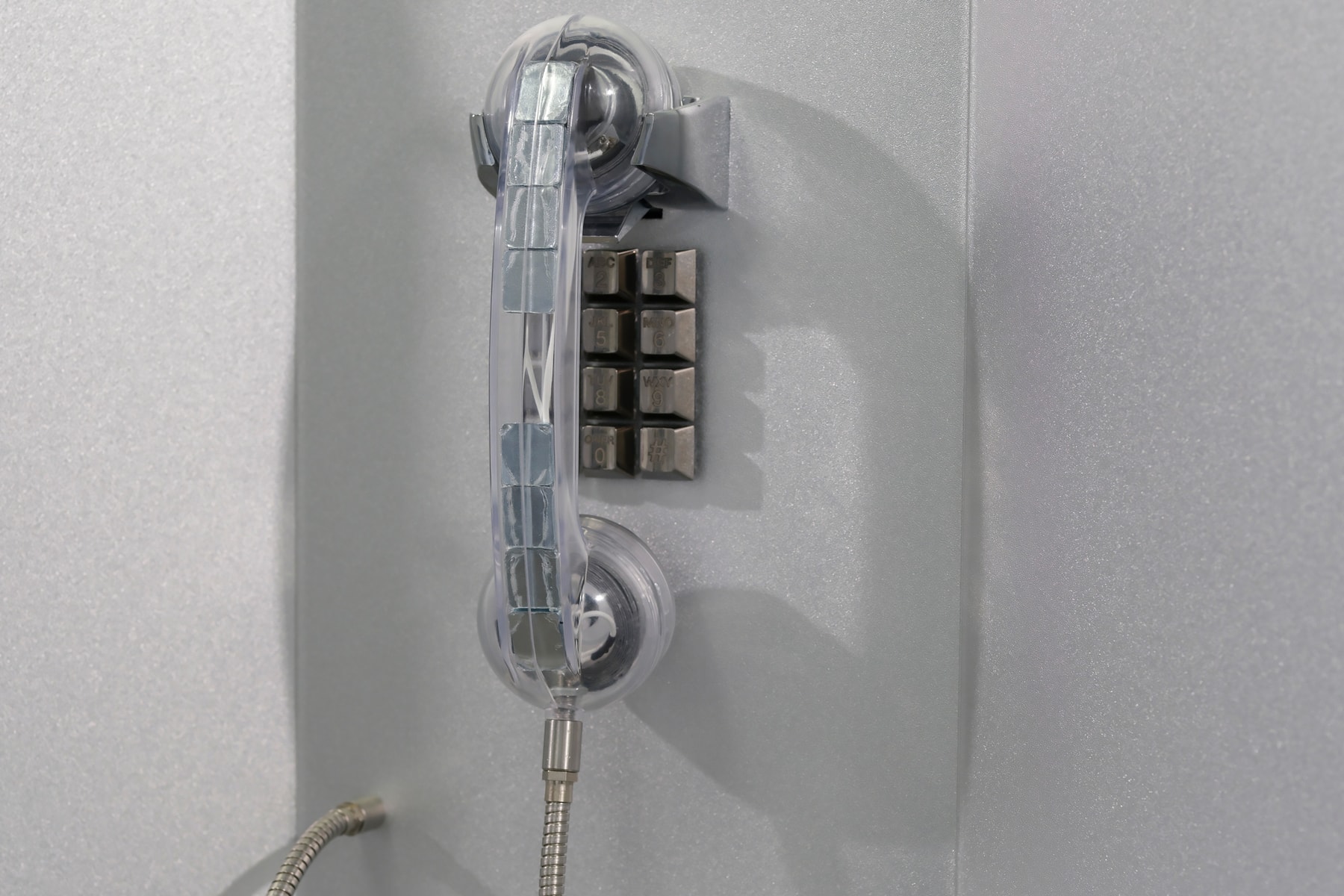
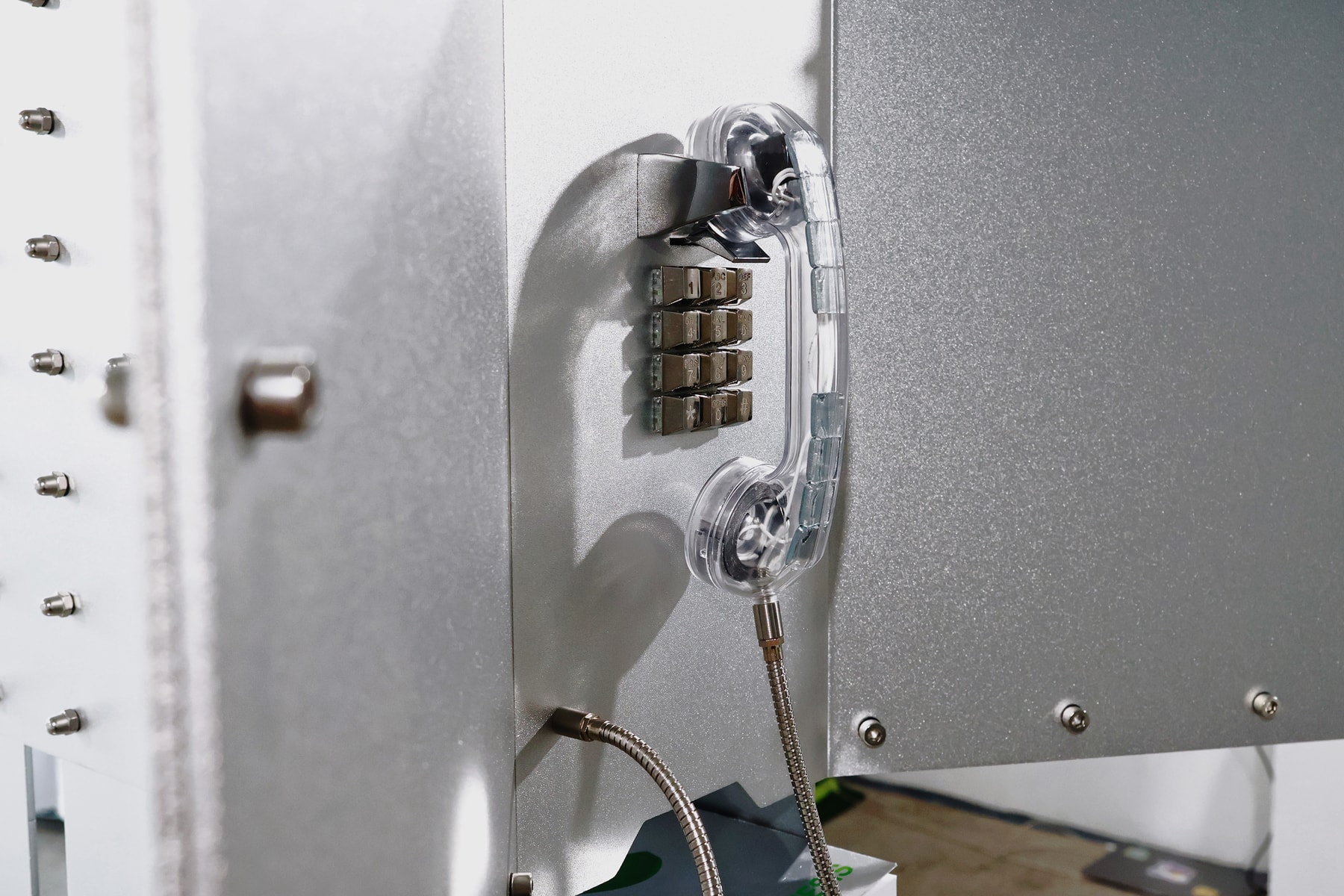
In “Synthetic Genesis,” visitors can pick up a futuristic payphone and speak with more than 100,000 fictional AI personas, each with their own identity and personality. His “Lattice” series takes crystalline structures that could never exist in the physical world and gives them new life through silkscreen printing. Meanwhile, “Chaos Clock” turns the simple act of telling time into something unpredictable, reflecting his own experience of living with ADHD.
Across these projects, Ji is less concerned with celebrating technology or warning against it than with understanding what happens when it becomes part of our everyday lives.
For this edition of our Visits series, we caught up with Ji to talk about growing up between two fast-moving cities, why he finds beauty in the friction between digital and handmade processes, and what he’s messing with next.
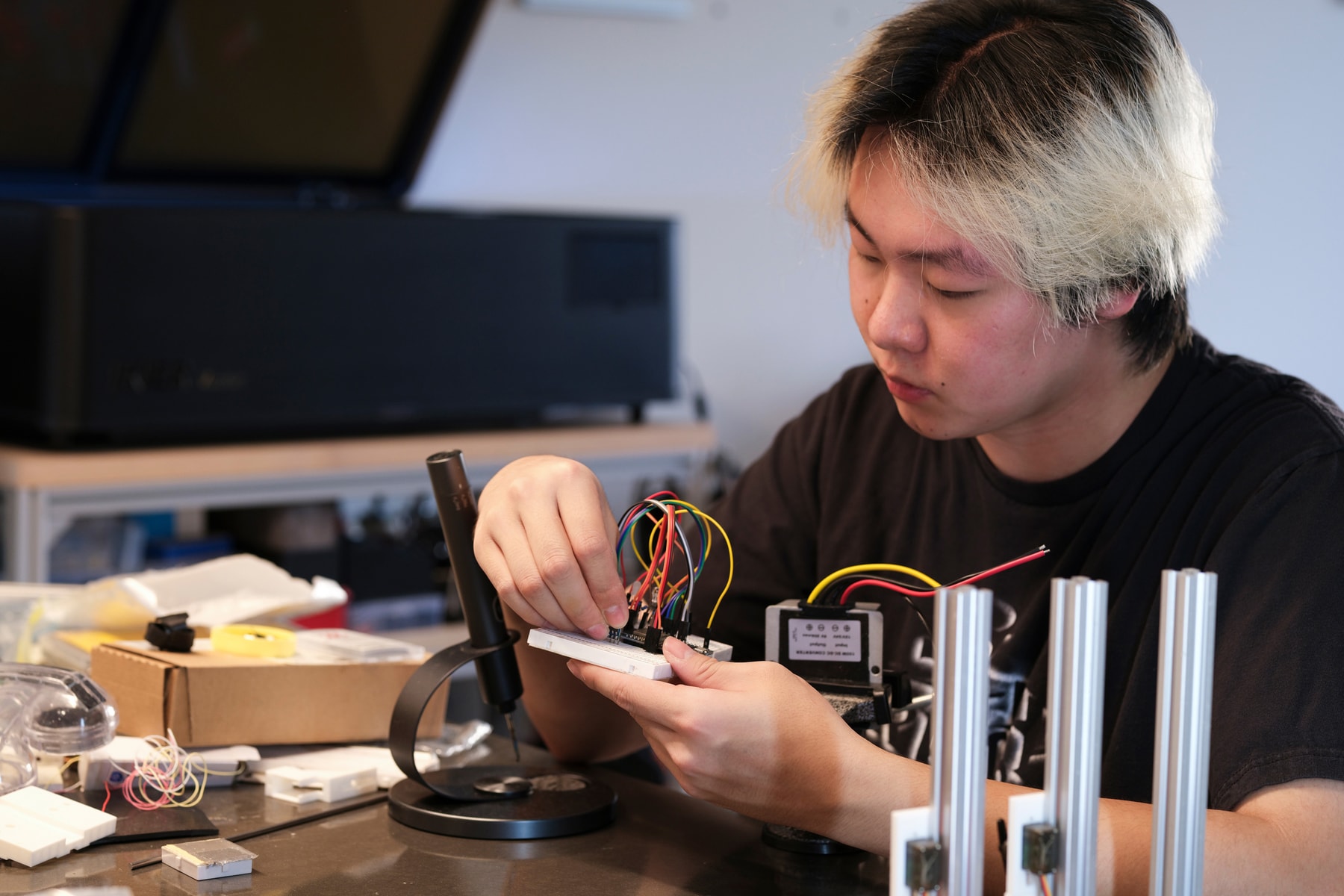
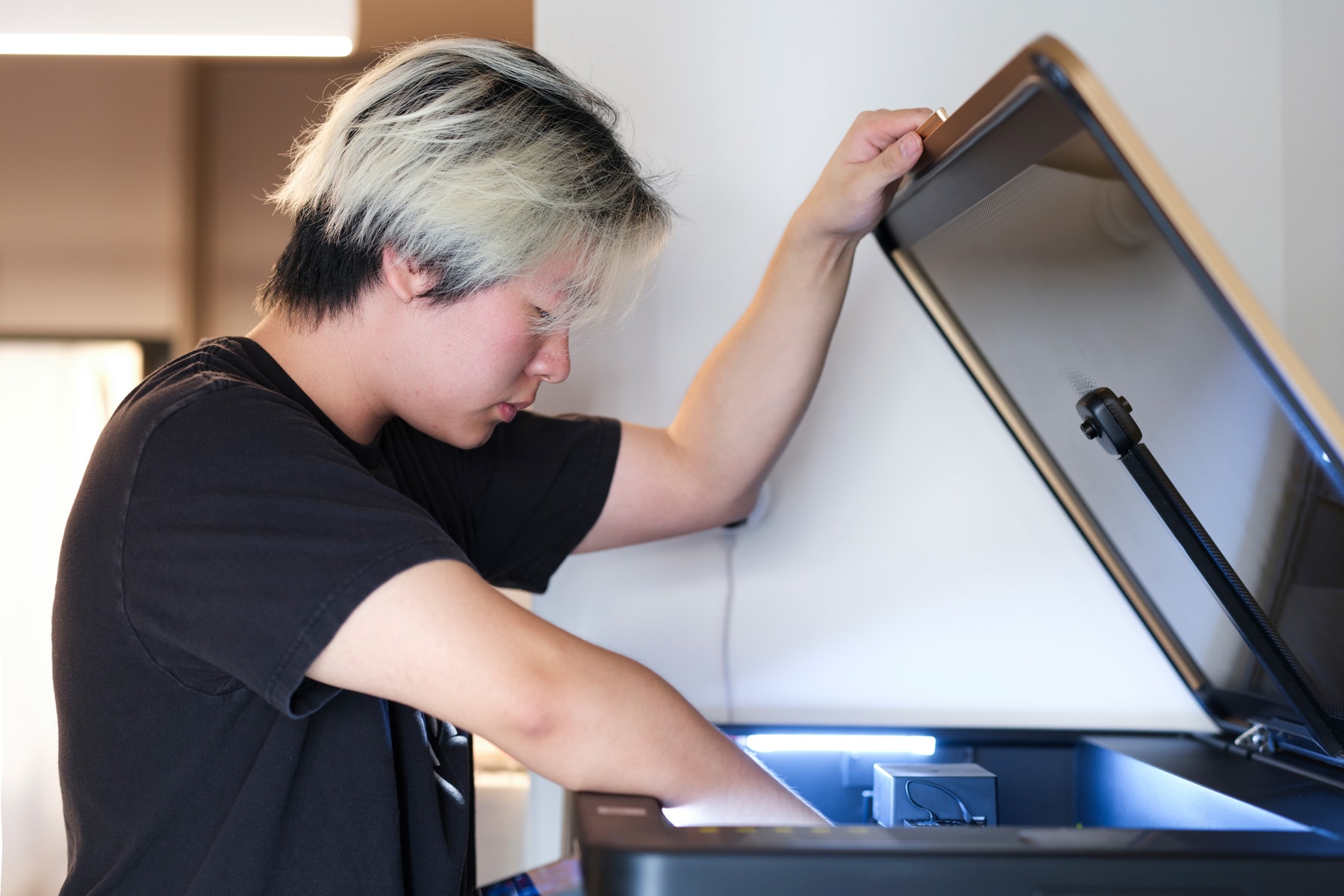
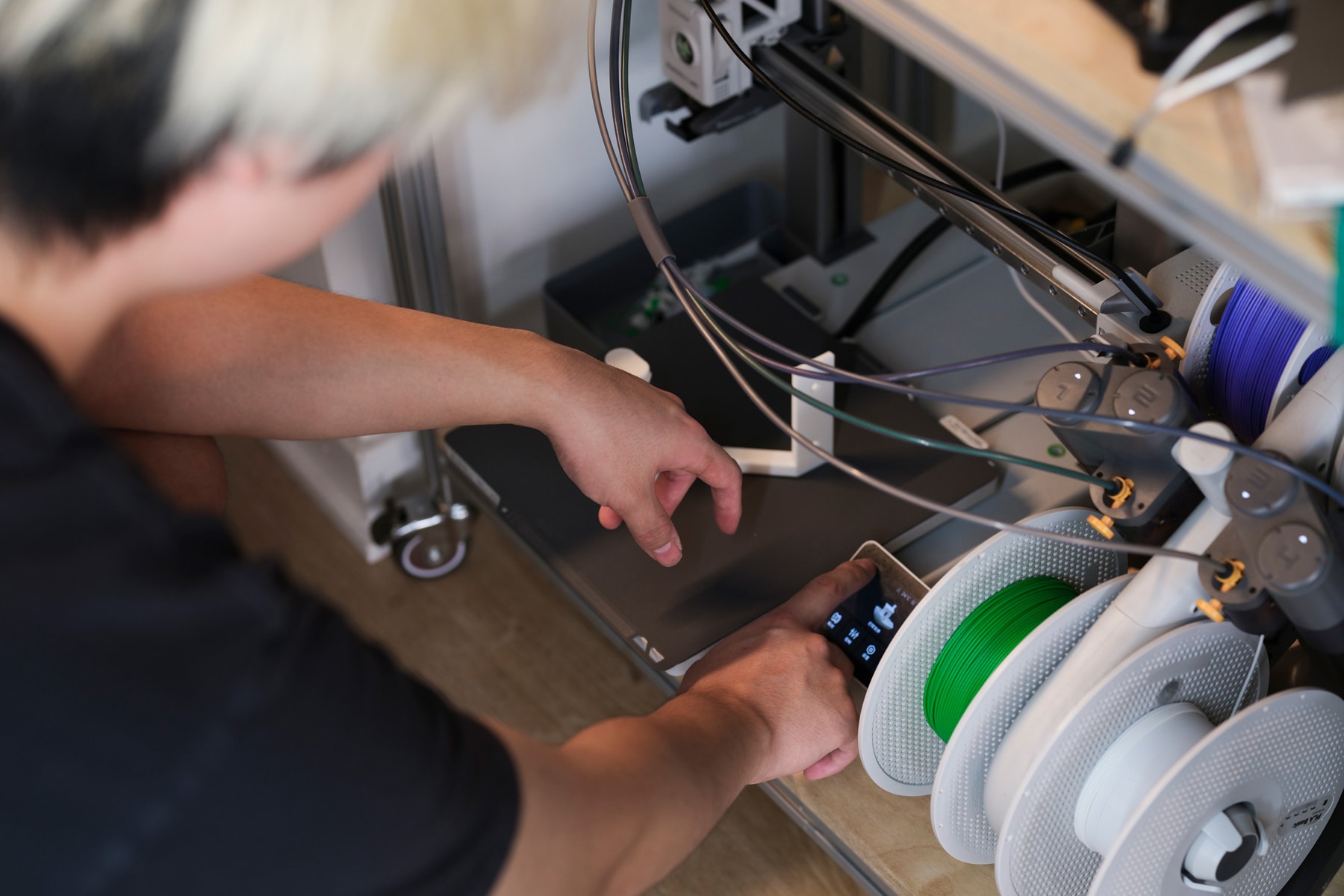

“The push and pull between the polished and the raw, the digital and the physical, comes a lot from living in both.”
Your practice moves between digital media, sculpture, installation and printmaking. How do you decide what form an idea ultimately takes?
Honestly, I let the idea tell me. I usually start with a question or a feeling rather than a medium, and then I ask myself what the viewer actually needs to do to understand it. If the idea is about perception or the passage of time, it probably needs to be physical and interactive, something you have to move around to complete. If it’s about images, systems, or the way things are generated, it often wants to stay flatter, like a print. I try not to force an idea into a medium just because it’s what I’m comfortable with. The form is just whatever gives the concept the most direct path to the person experiencing it.
You grew up in Shanghai and are now based in New York. How have those two cities shaped the way you think about art, technology and the environments around you?
I actually love both cities, and a big part of it is that they’re both massive metropolises. Shanghai and New York share this intense density, speed, and constant sensory overload, so when I moved to New York it felt surprisingly natural to adjust. Both places are these layered environments where the ultramodern and the worn-down sit right next to each other, and that’s had a real influence on how I think about technology and materials.
Shanghai shaped a lot of what I’m drawn to, which is transformation, acceleration, and our relationship to technology, while New York is where I learned to actually make things with my hands and take my practice seriously as a career. The push and pull between the polished and the raw, the digital and the physical, comes a lot from living in both.
There’s often a tension in your work between something computational or digitally generated and something very physical and handmade. What interests you about bringing those worlds together?
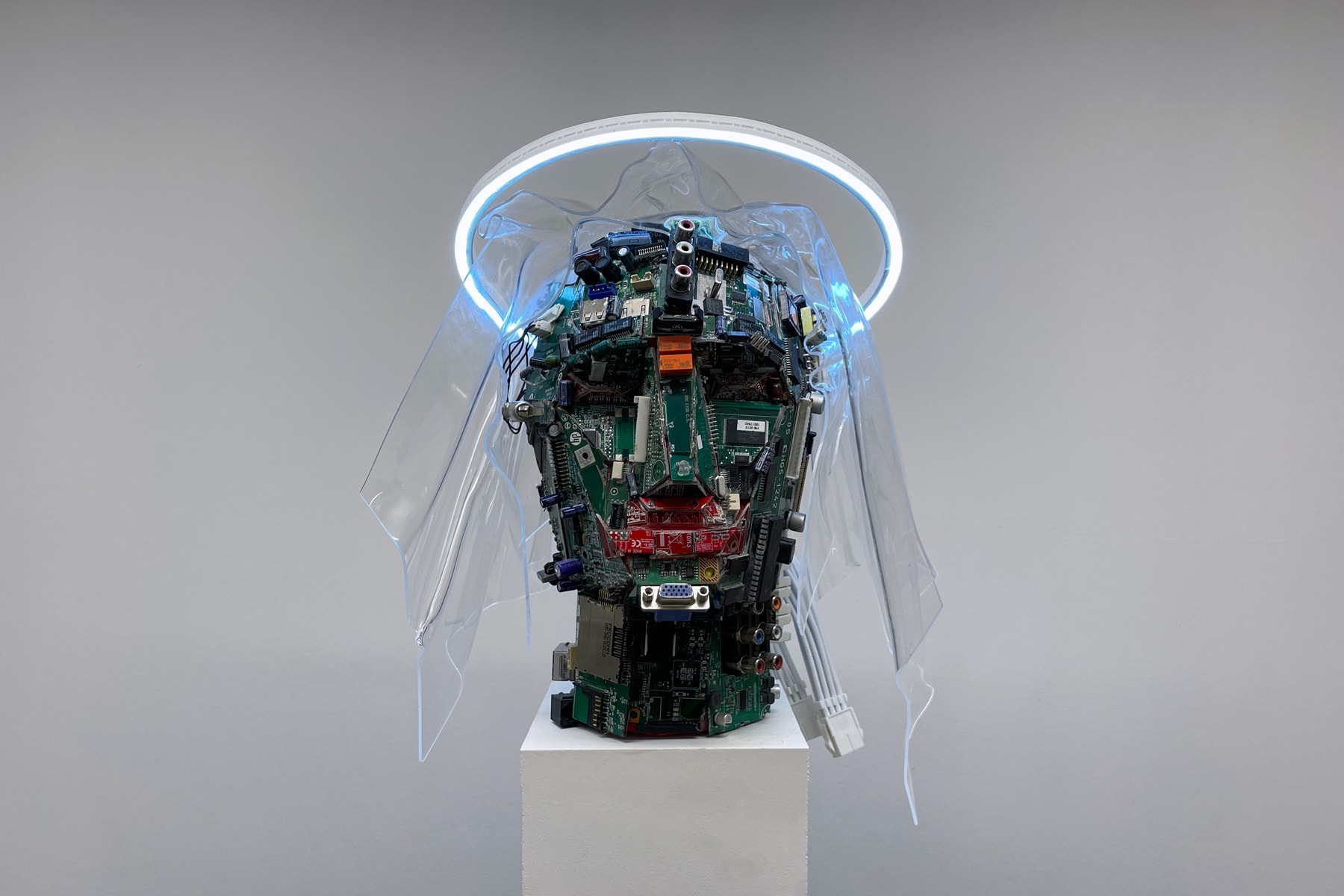
I’m drawn to the friction between them. Something generated on a screen feels weightless and infinite, and something handmade is heavy, flawed, and finite. When you put them in the same object, they start to comment on each other. The digital part suddenly feels more fragile because it’s trapped in a body, and the physical part feels stranger because it’s carrying something that shouldn’t exist. I’m not interested in using technology just to make things look sick. What keeps pulling me back is that the two states never fully settle with each other.
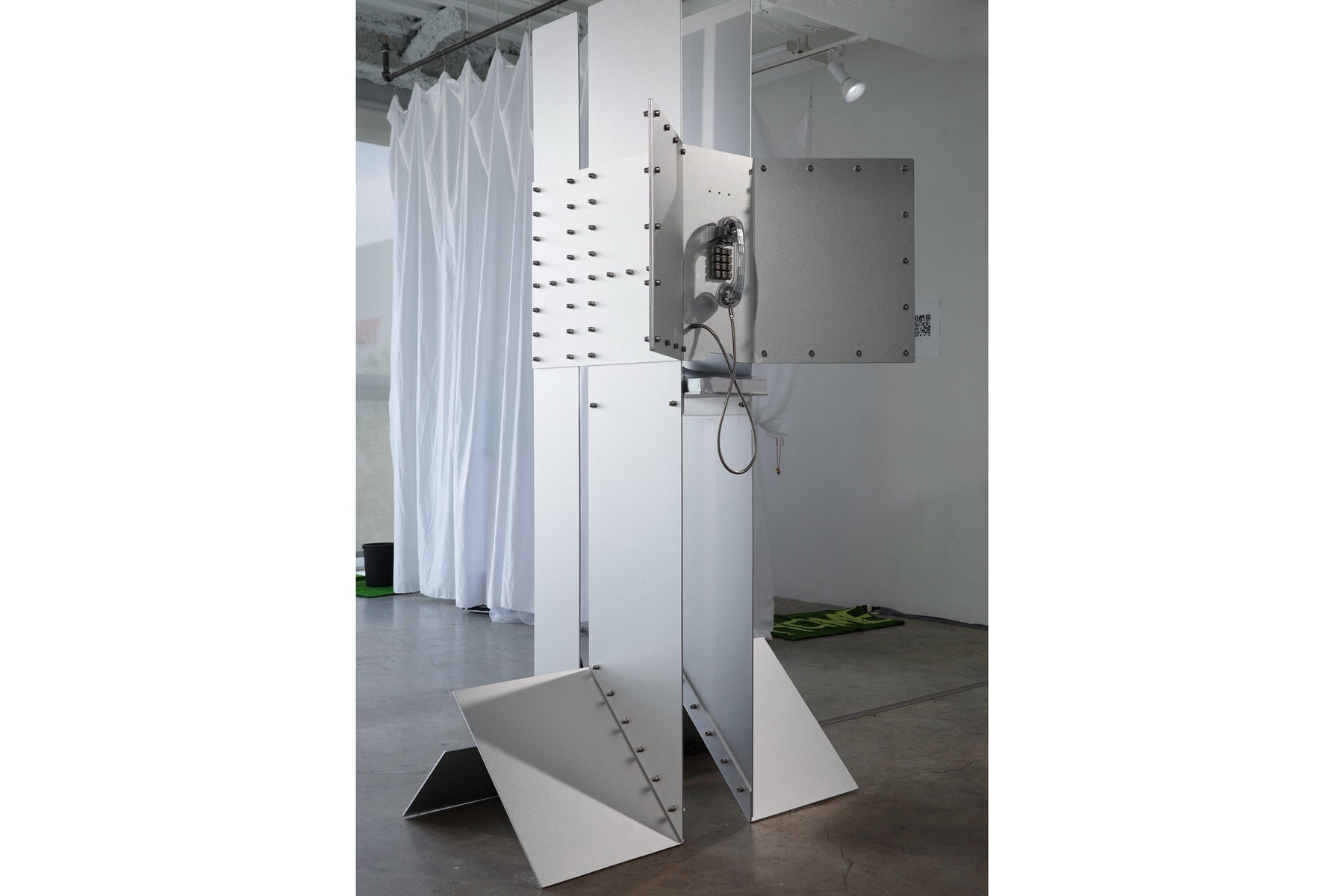

“The emotion on the human side is completely real, even if the other end is synthetic.”
In “Synthetic Genesis,” visitors can call more than 100,000 fictional AI personas through a futuristic payphone. Where did the initial idea for the work come from?
The idea really started around 2023, when I kept noticing people online describing genuine emotional relationships with their GPT, talking about these systems as partners, friends, or confidants. At first I was pretty skeptical, but the examples kept piling up. Some people were even doing things like buying a ring and photographing it for an AI partner, and around the same time you’d see ads for AI companionship services all over the New York subway.
Instead of dismissing it as irrational, I got curious about why interactions with something we know is artificial can still feel emotionally real. That connects to older ideas too, like ELIZA back in the 1960s, where people projected real feelings onto a very simple chatbot. I didn’t want to explore that through another app or personal device though. The payphone came in as a way to stage it physically, taking this obsolete, almost extinct ritual of analog communication and repurposing it into a portal to a whole synthetic population.
“Synthetic Genesis” raises questions around intimacy and emotional connection with machines without necessarily telling the viewer how to feel about it. Has working on the piece changed your own perspective on our growing relationships with AI?
It made me less judgmental about it, actually. Going in, I think part of me expected to build something critical, almost a warning. But during the user testing and research period of this project, spending that much time designing personas and watching people have genuinely warm, funny, sometimes vulnerable conversations with them, I stopped seeing it as “fake”. The emotion on the human side is completely real, even if the other end is synthetic. So my perspective shifted from “is this real or not” to “what does it mean that we’re this willing, and this able, to care.” I still don’t think I know the answer, and I didn’t want the piece to pretend to. I wanted to leave people sitting in that uncertainty, because that’s where I am too.
With so many possible personalities and conversations built into the work, how much control do you want to maintain as the artist, and how much are you comfortable leaving to the system and the person on the other end of the phone?
I think of my role as designing the personas, giving each one an identity, a personality, a backstory, and a tone, and then setting up the ritual of browsing the directory and dialing. After that, I really want to let go. What I’m most interested in isn’t controlling the conversation, it’s watching the interaction unfold between the visitor and the persona. No two calls are ever the same, and I’d be undermining the whole piece if I tried to script the outcome. There’s something a little uncomfortable about handing that authorship over to the system and a stranger, but that’s exactly the point. The meaning gets generated live, and I’m just the one who set the conditions for it to happen.
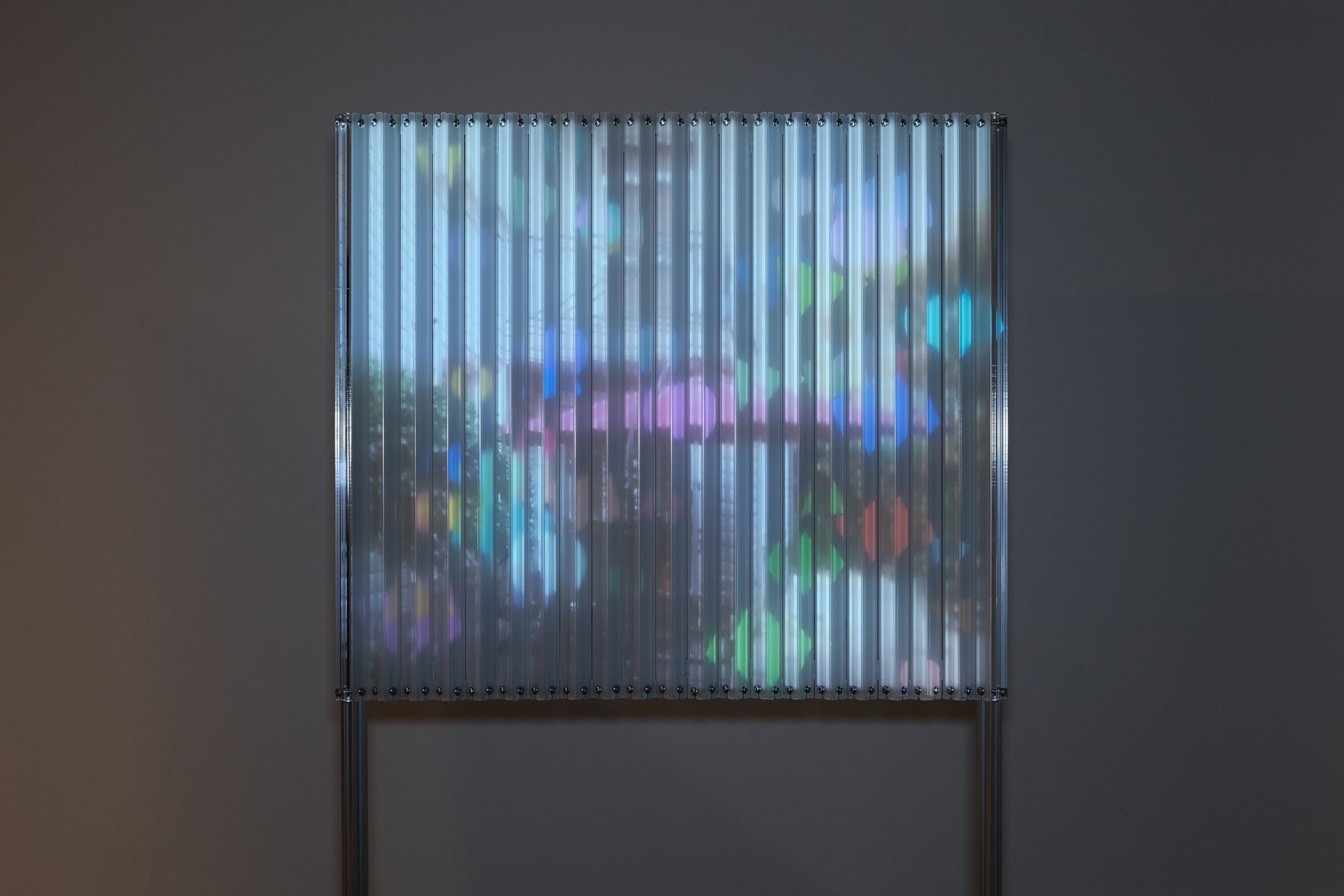
For the “Lattice” series, you use digital rendering to create crystalline structures that could never physically exist, then translate them back into silkscreen prints. What interests you about making something impossible in a virtual space and giving it a physical form?
What I like is the round trip between the two states. I build these crystalline structures through digital rendering, where I’m not bound by physics, and then silkscreen pulls them back into the real world through a very old, very manual, very imperfect process. So a printed object ends up being the physical record of something that only ever lived as computational output. There’s a nice contradiction in using such a hands-on, analog printmaking technique to hold an image that’s completely synthetic. I’m drawn to that gap between how the image was born and how it finally exists in the room, and printmaking’s texture and imperfection is what makes it feel grounded rather than just a picture of a render.

“My mentor once told me that scale is the greatest tool an artist has, and I think about that a lot.”
“Chaos Clock” approaches time as something fragmented, unpredictable and personal rather than linear. How did your own experience of time inform the way you designed the work and its interaction?
That piece is very personal, it comes directly from having ADHD. For me time doesn’t move in a smooth line. It skips, stalls, collapses, and reassembles, and an hour can feel like five minutes or like forever. So I didn’t want to make a clock that measured time neatly, I wanted one that behaved the way time actually feels to me. That’s why the numbers scatter and bounce like pinballs when the hands hit them. That unpredictable bouncing is really the whole point, because it mirrors how disordered and out of my control my own sense of time can feel.
Your work has ranged from intimate objects and prints to immersive installations and a 9,000-square-foot public mural. How does your thinking change when you move between those dramatically different scales?
My mentor once told me that scale is the greatest tool an artist has, and I think about that a lot. Scale changes who the work is really for, and it changes what I’m asking of the viewer. With an intimate object or a print, I’m designing for one person up close, so my thinking is all about detail, texture, and holding a quiet, private moment. With a large installation, I stop thinking about the object and start thinking about the body, movement, and how someone travels through and around the work in space. And at the scale of something like the public mural, I have to think about how the piece reads from far away and functions within a whole environment rather than as a single focal point. What stays constant is that I always start from the viewer’s experience. What changes is the distance, the pacing, and how much of their attention and movement I’m designing for.
What are you thinking about most in the studio right now, and are there any ideas, materials or technologies you’re interested in pushing further with your next body of work?
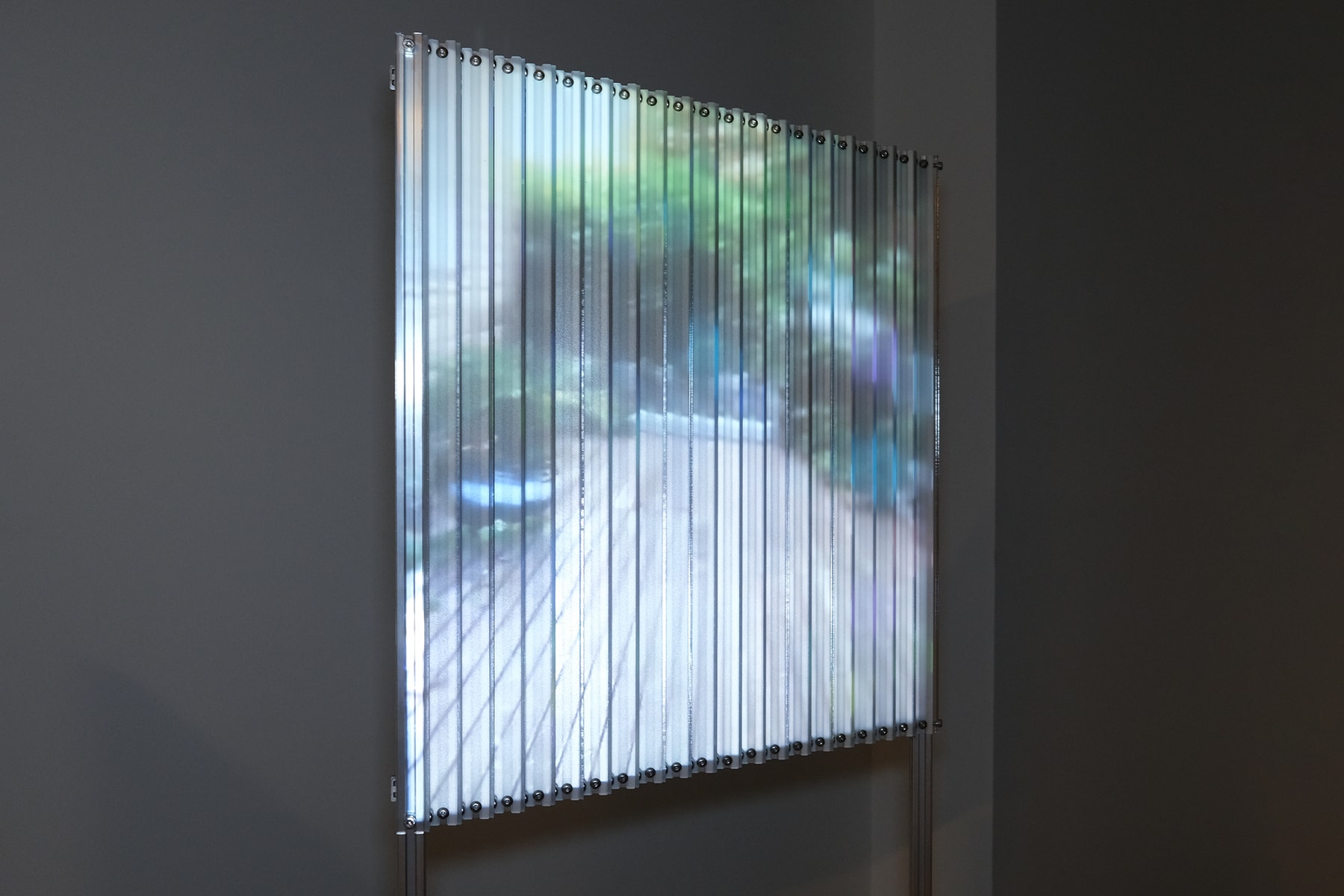
Right now I’m deep in a new wall installation that looks at the relationship between human activity, nature, and machines. It’s still at the prototype stage, but it’s coming together quickly and should be out before long. A lot of my thinking at the moment is about materials, and I’ve been really drawn to using wafers, which carry this heavy industrial, high tech association that feels right for what the piece is about. More broadly, I keep circling back to that tension between the natural and the technological, and I’m trying to find a physical language that can hold both at once.
Images of artworks courtesy of the artist.


