








Through the Lens: Thibaut Grevet
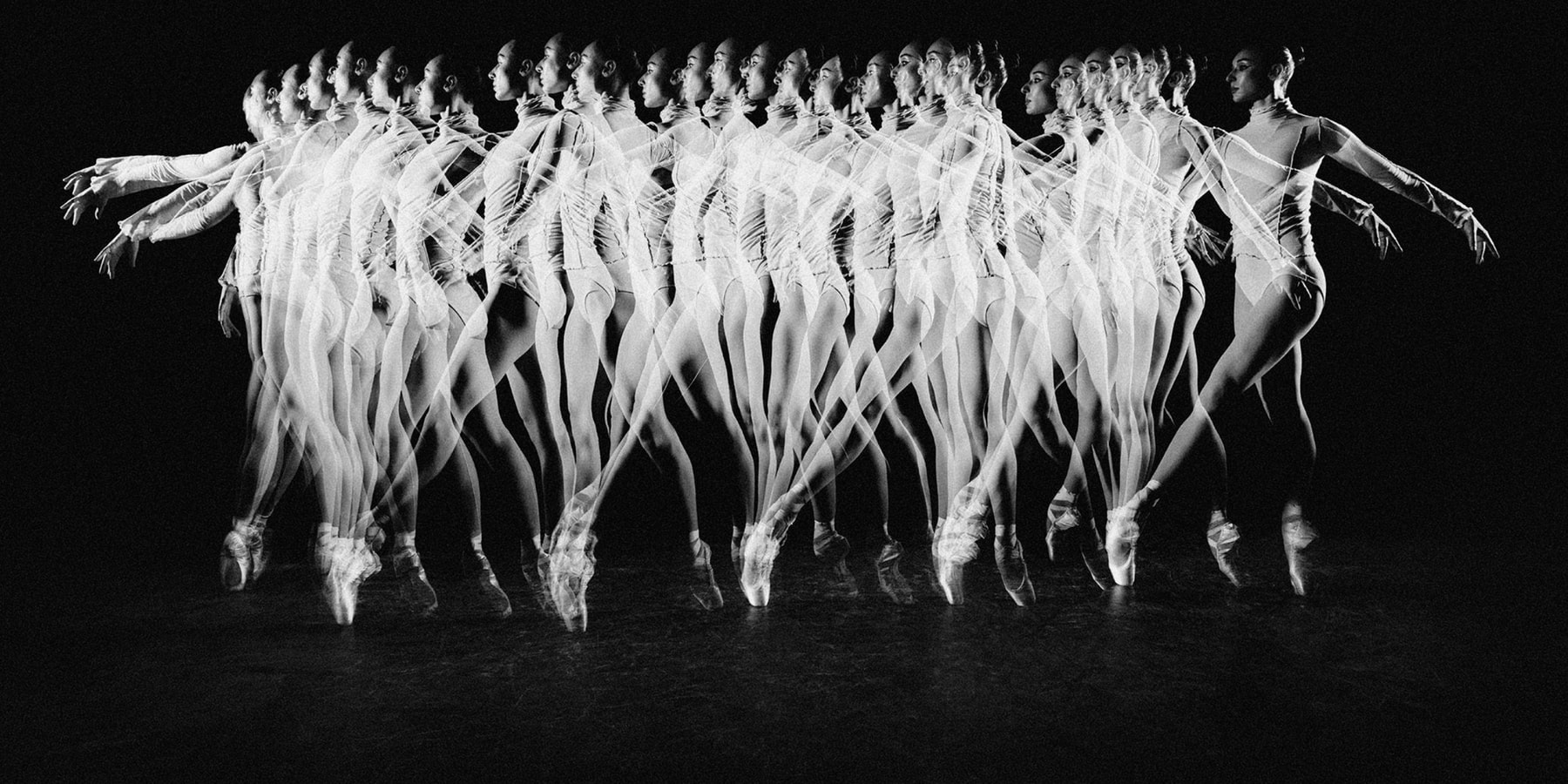
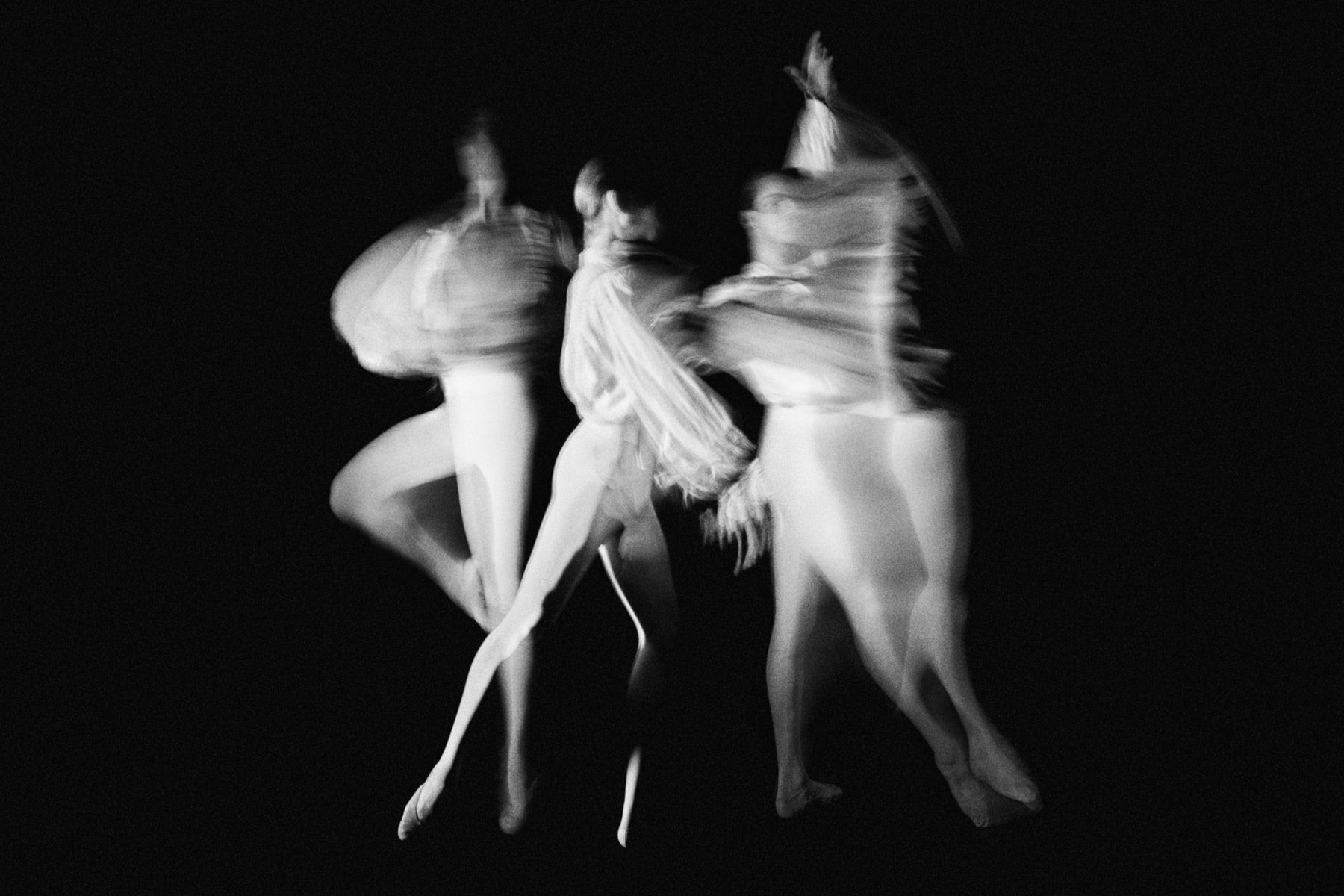
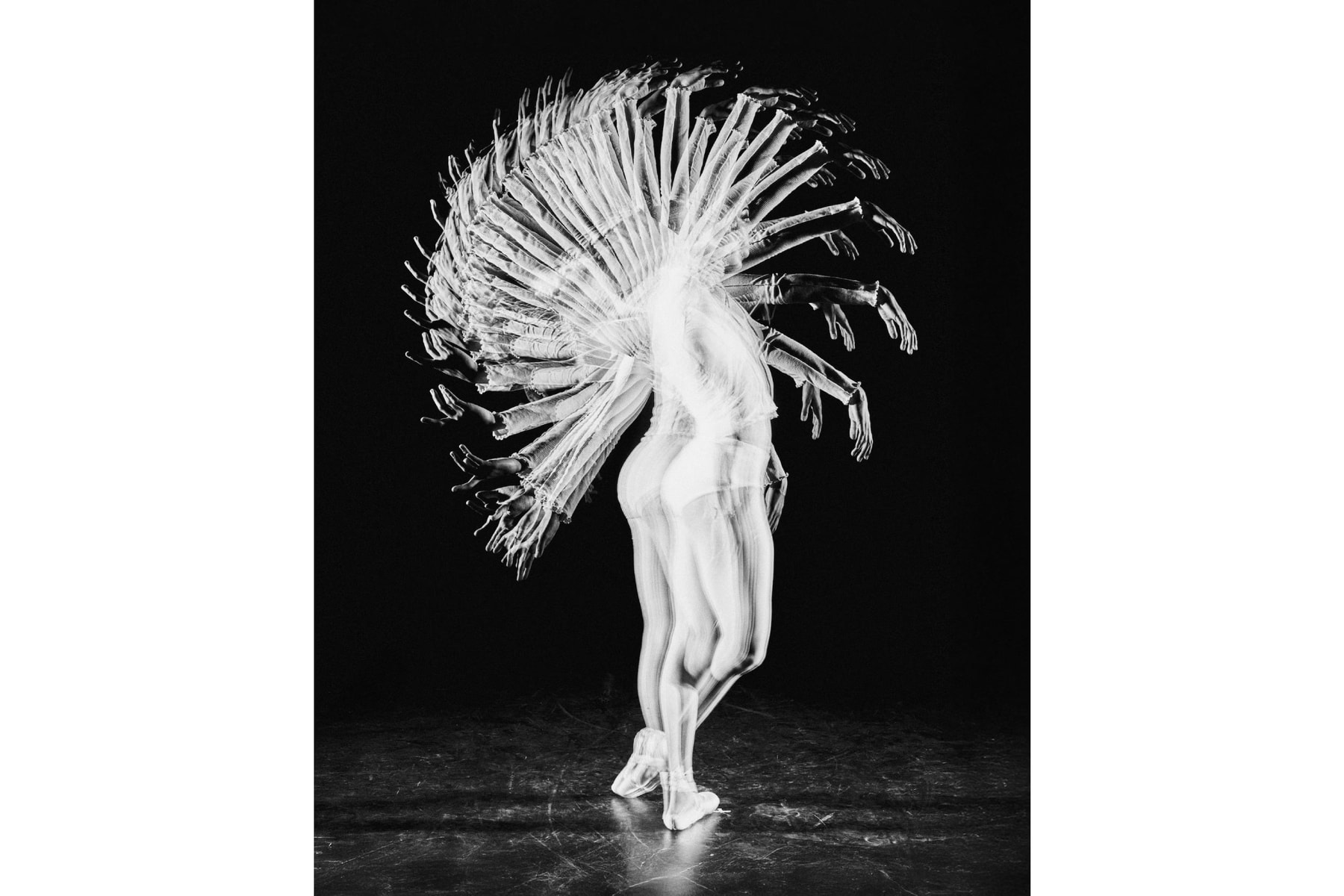
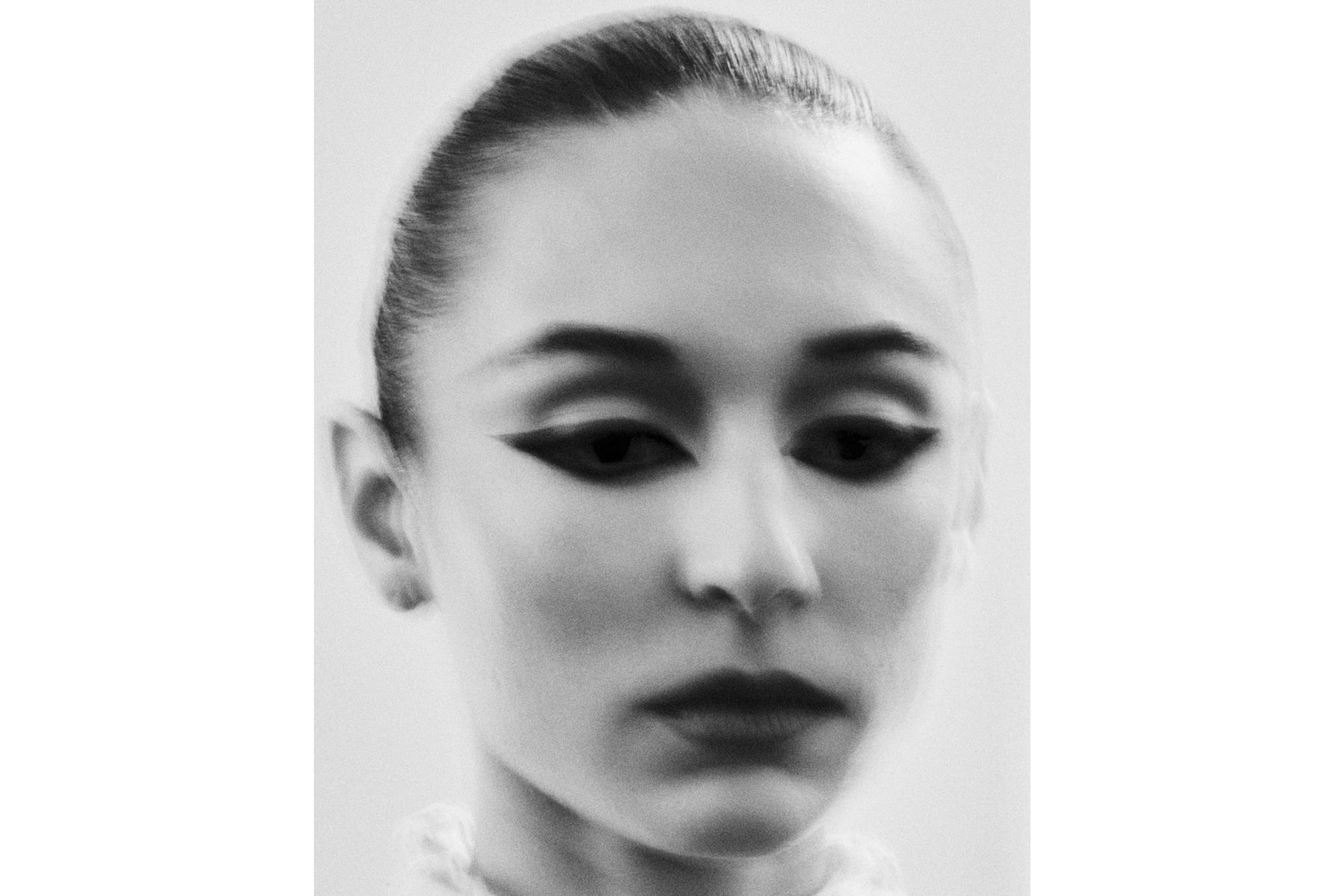
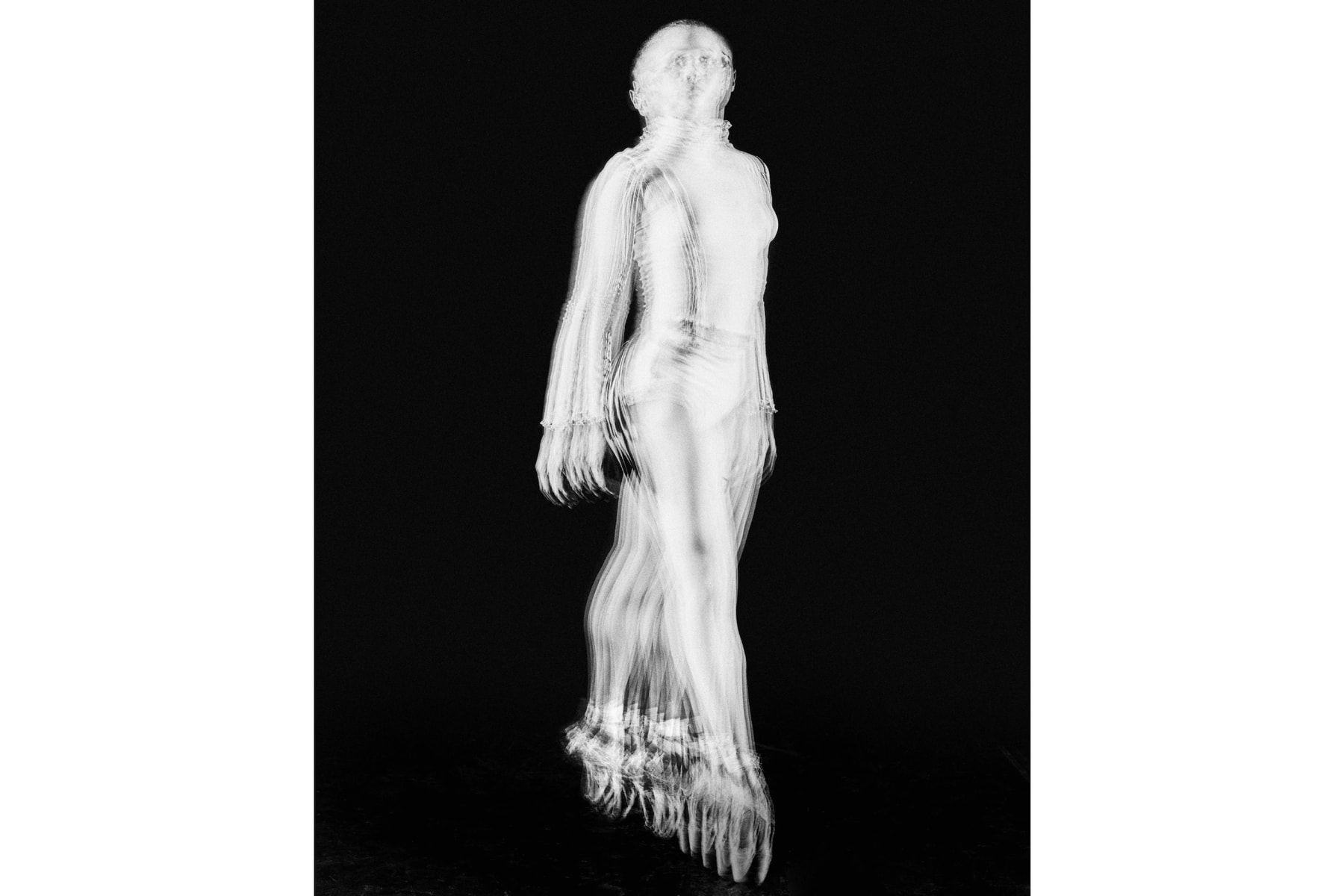
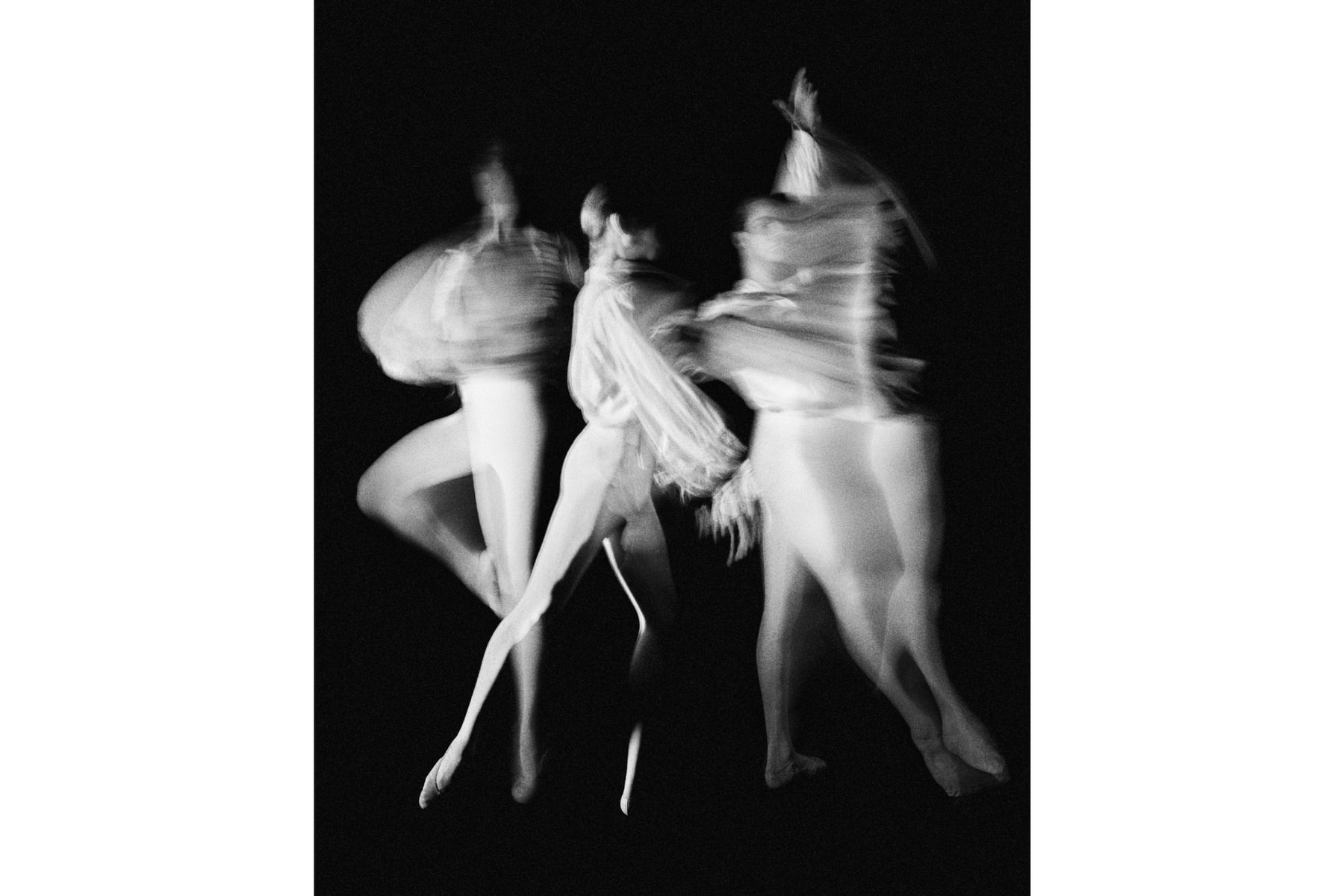
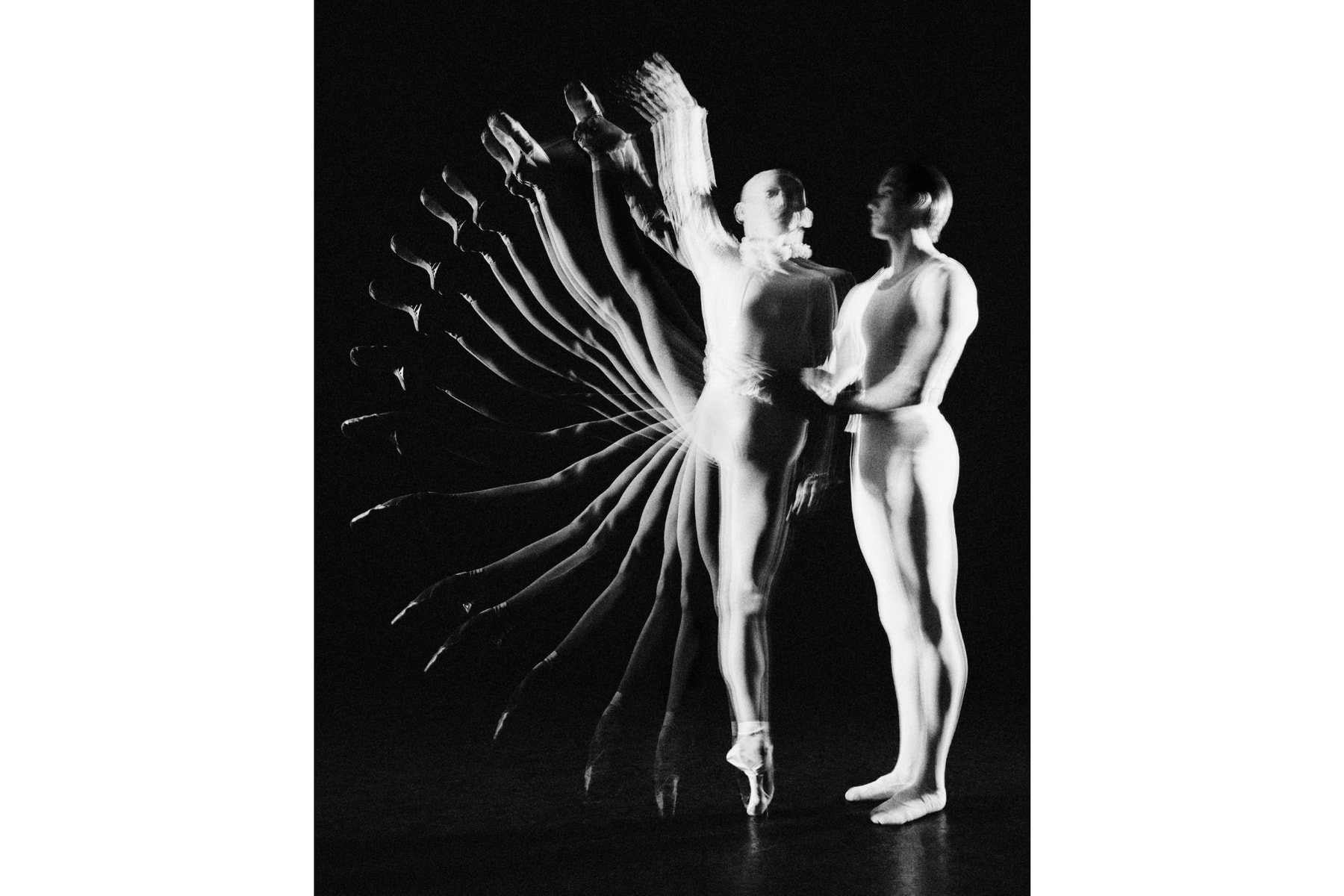
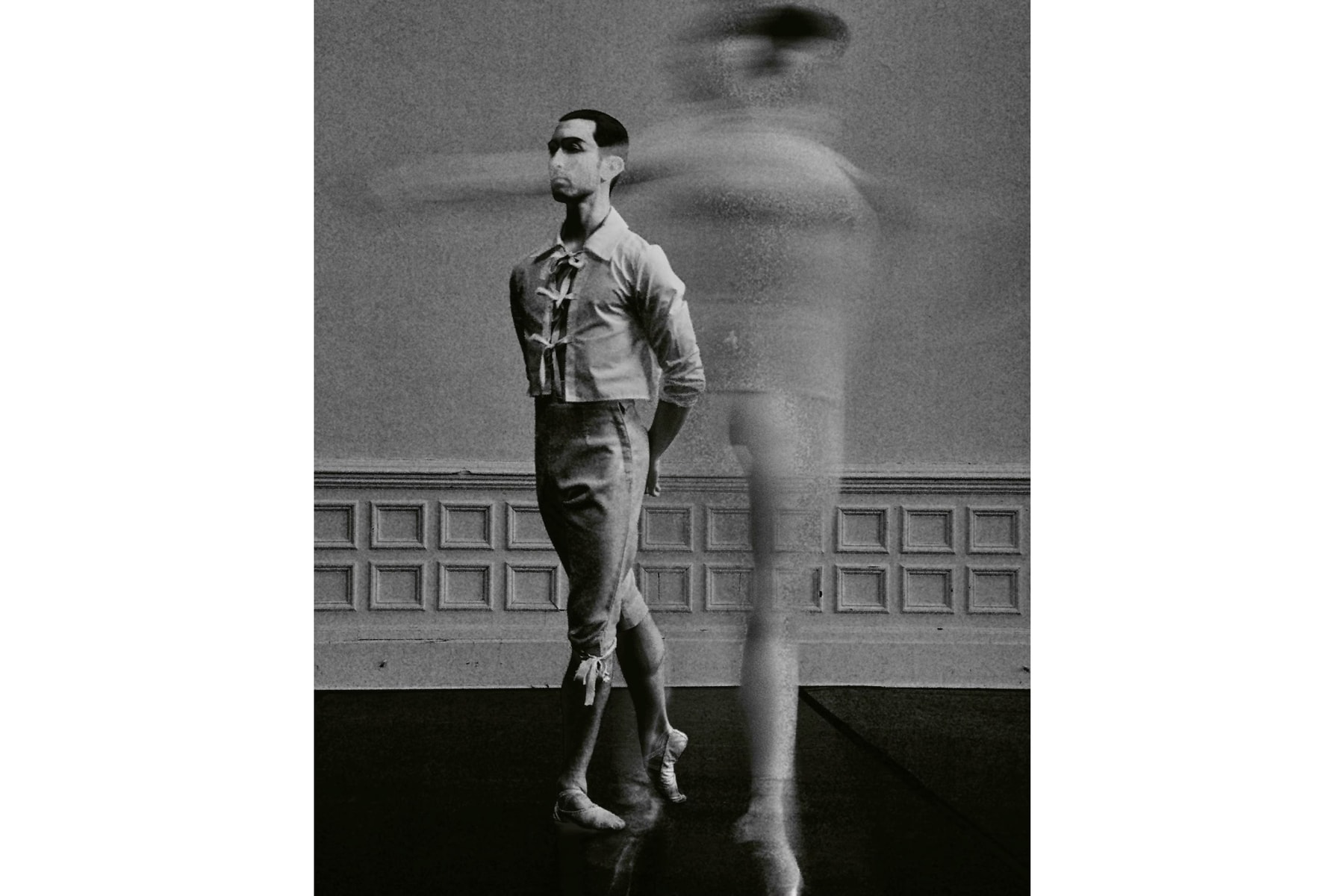
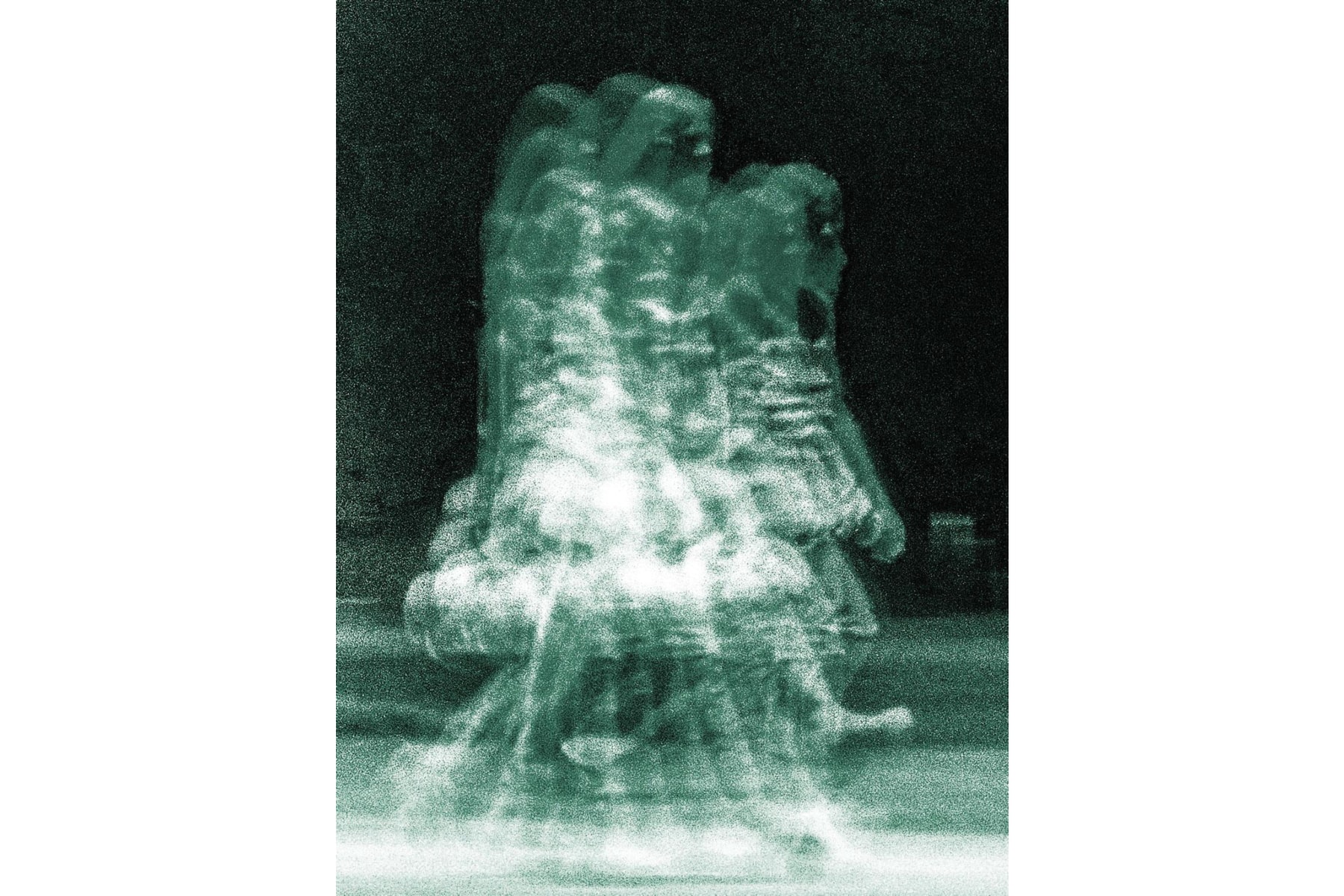
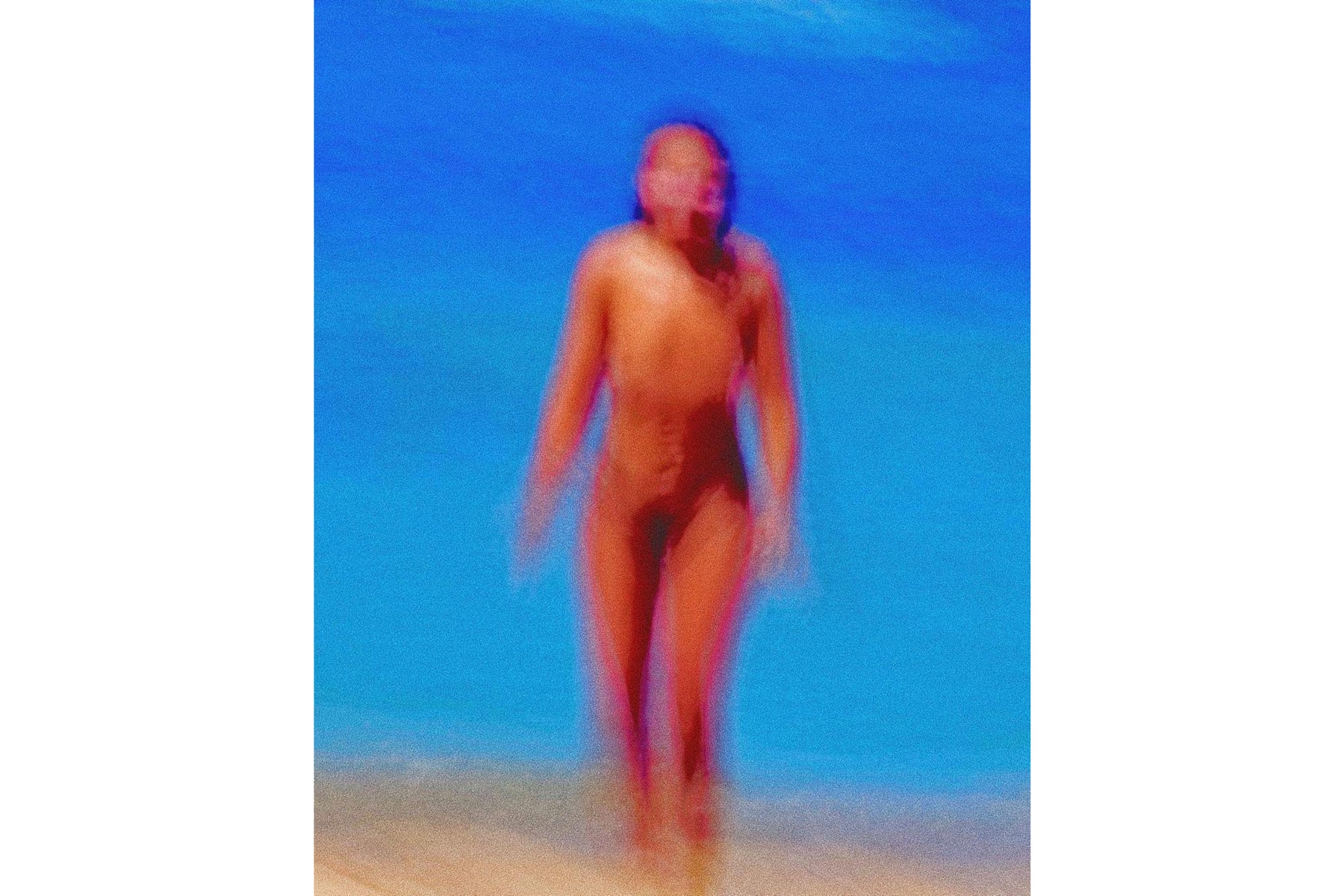
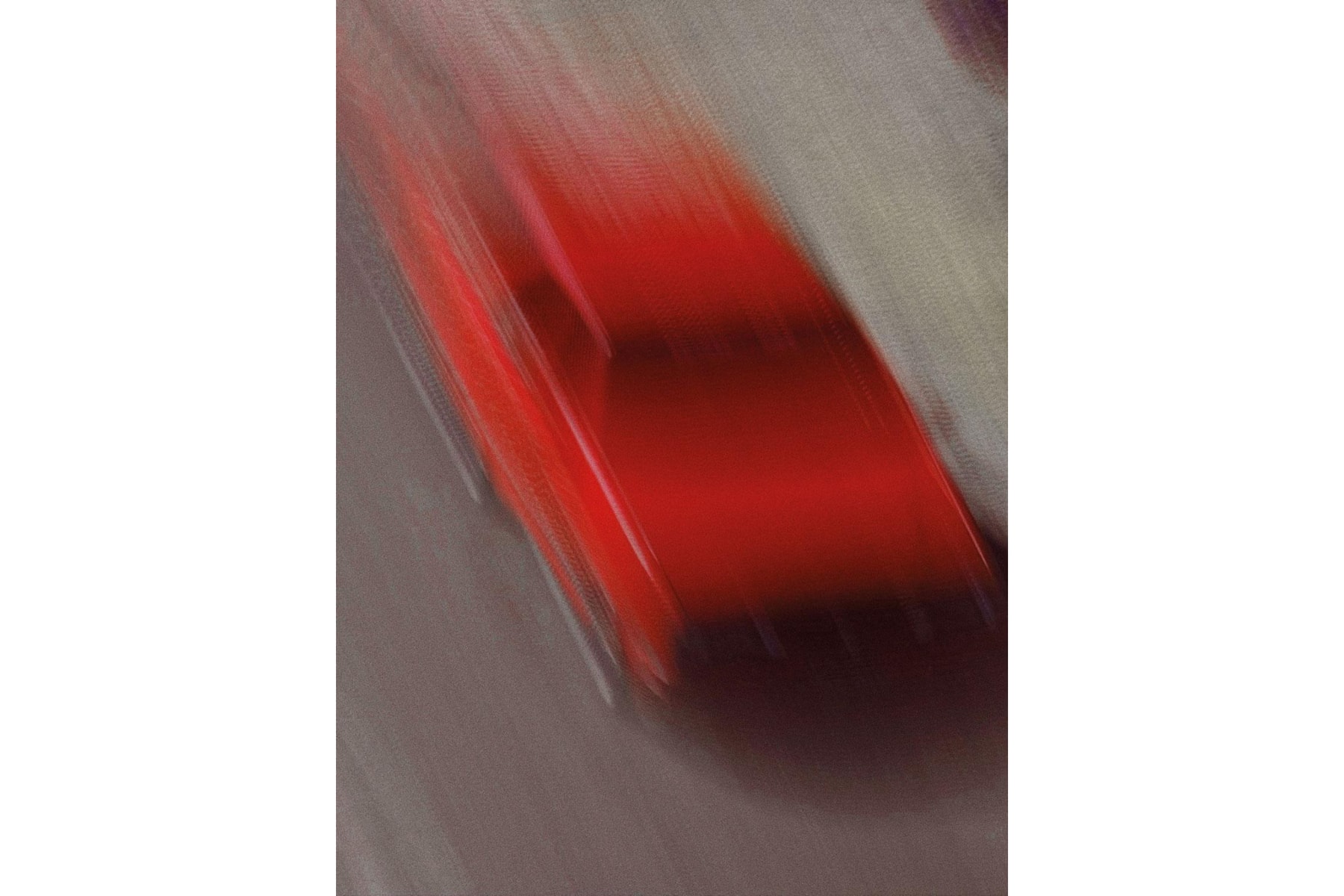
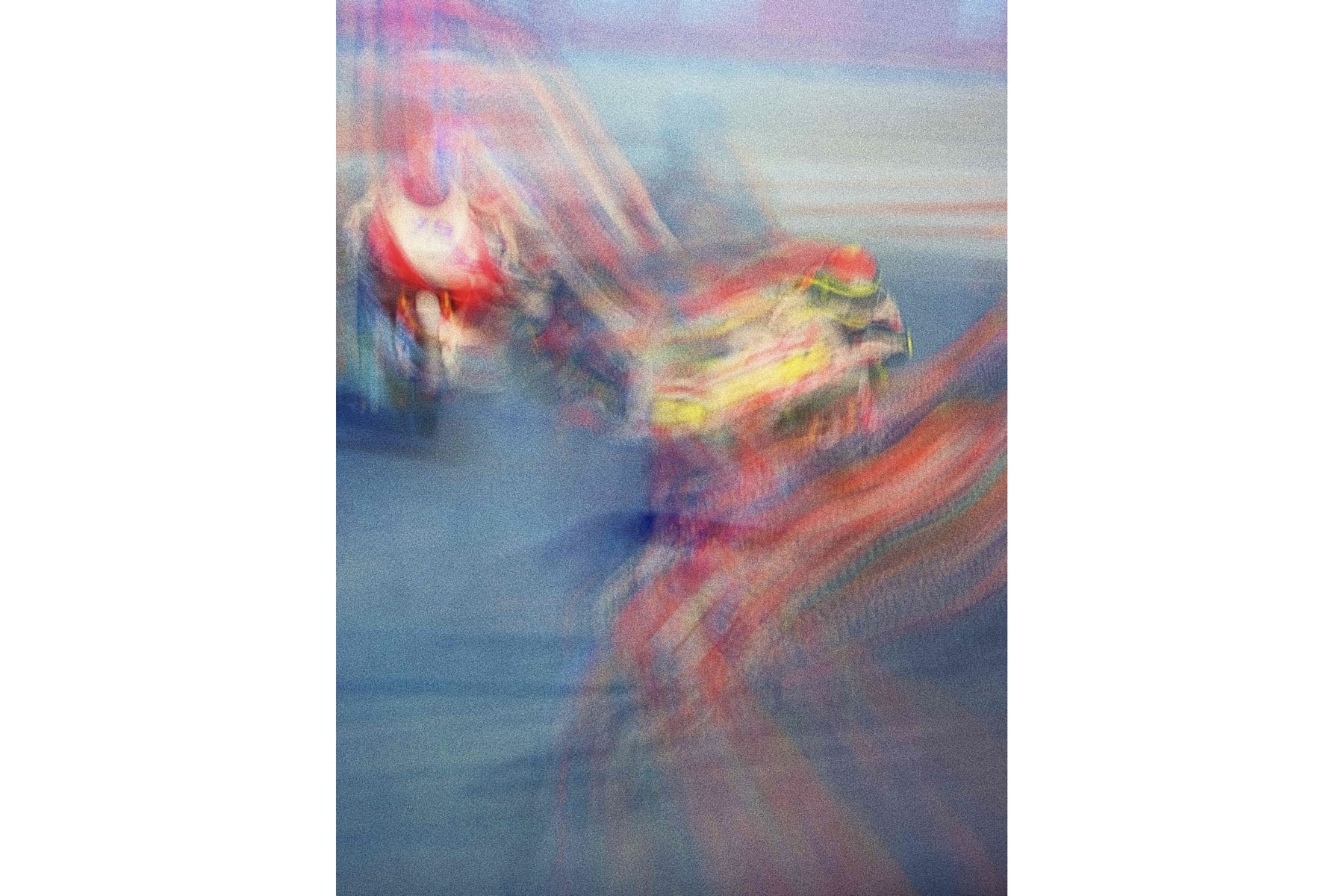
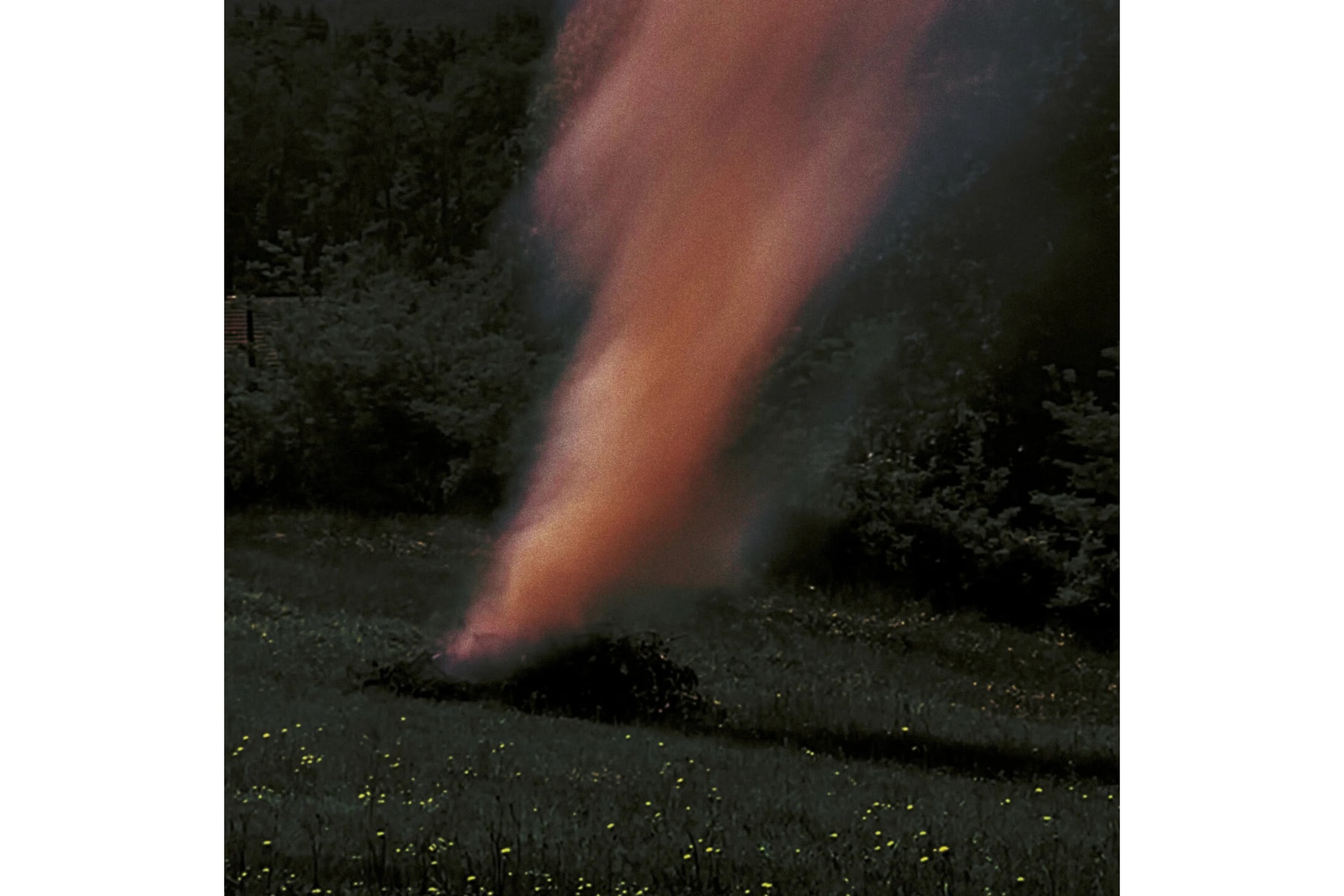
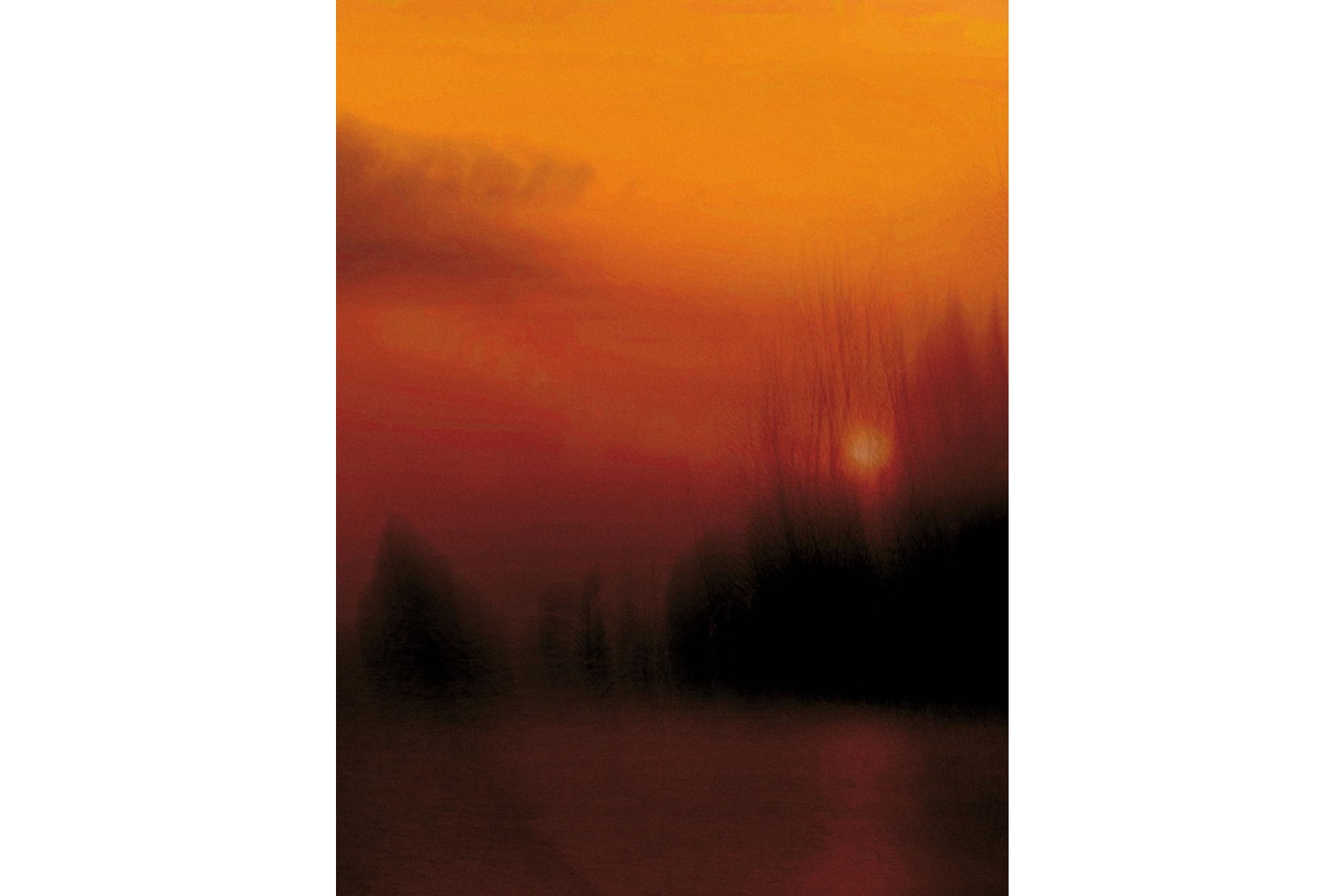
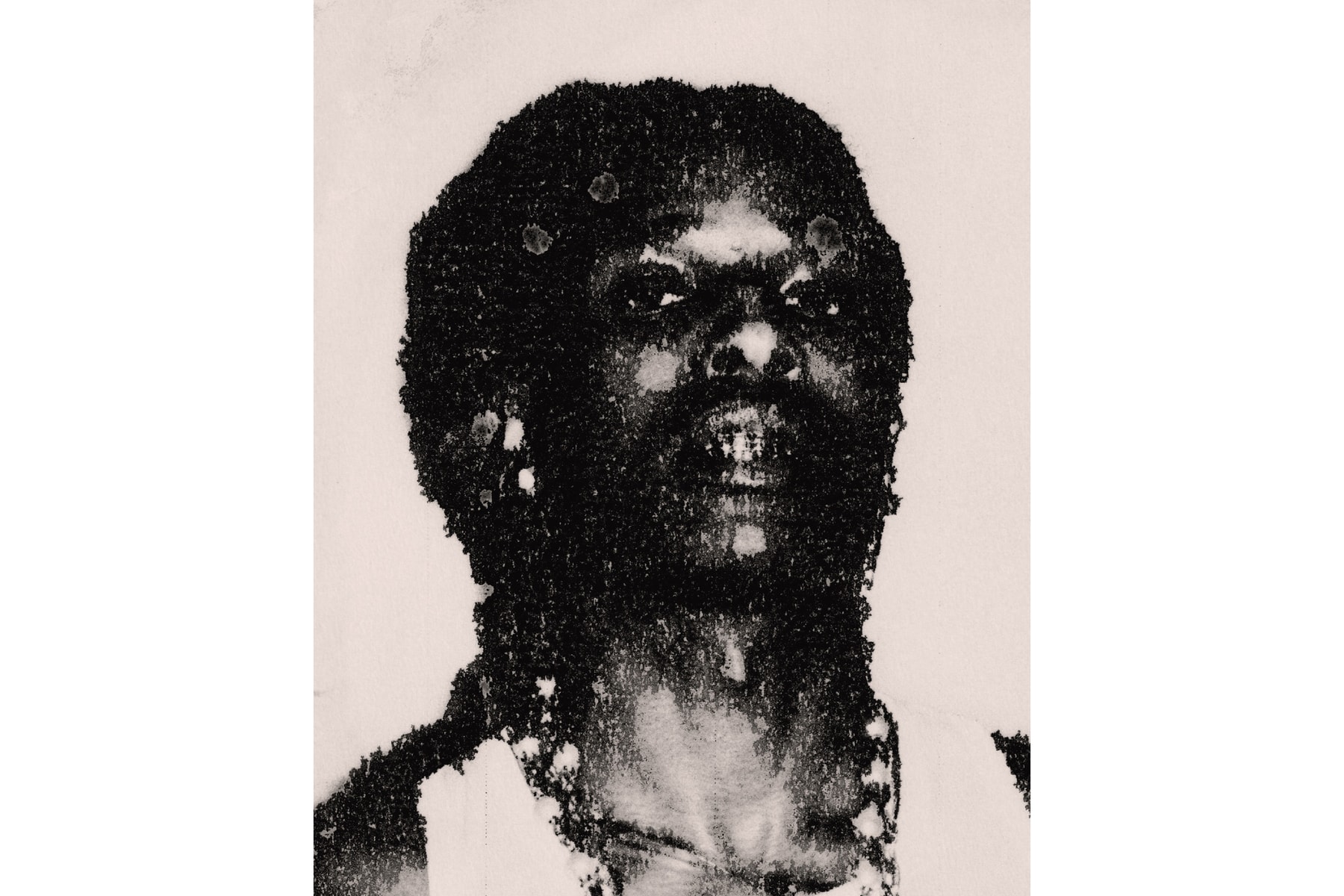
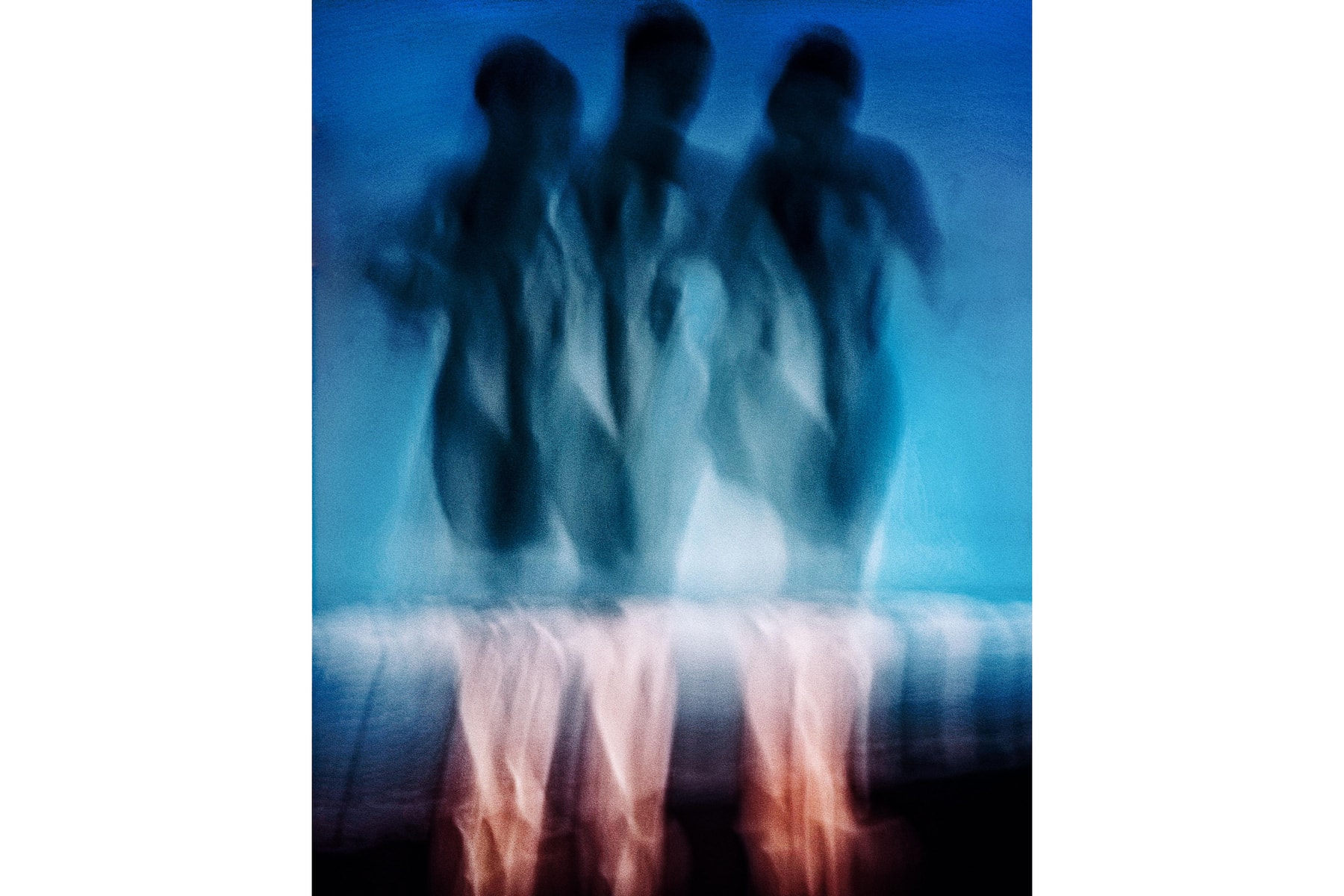
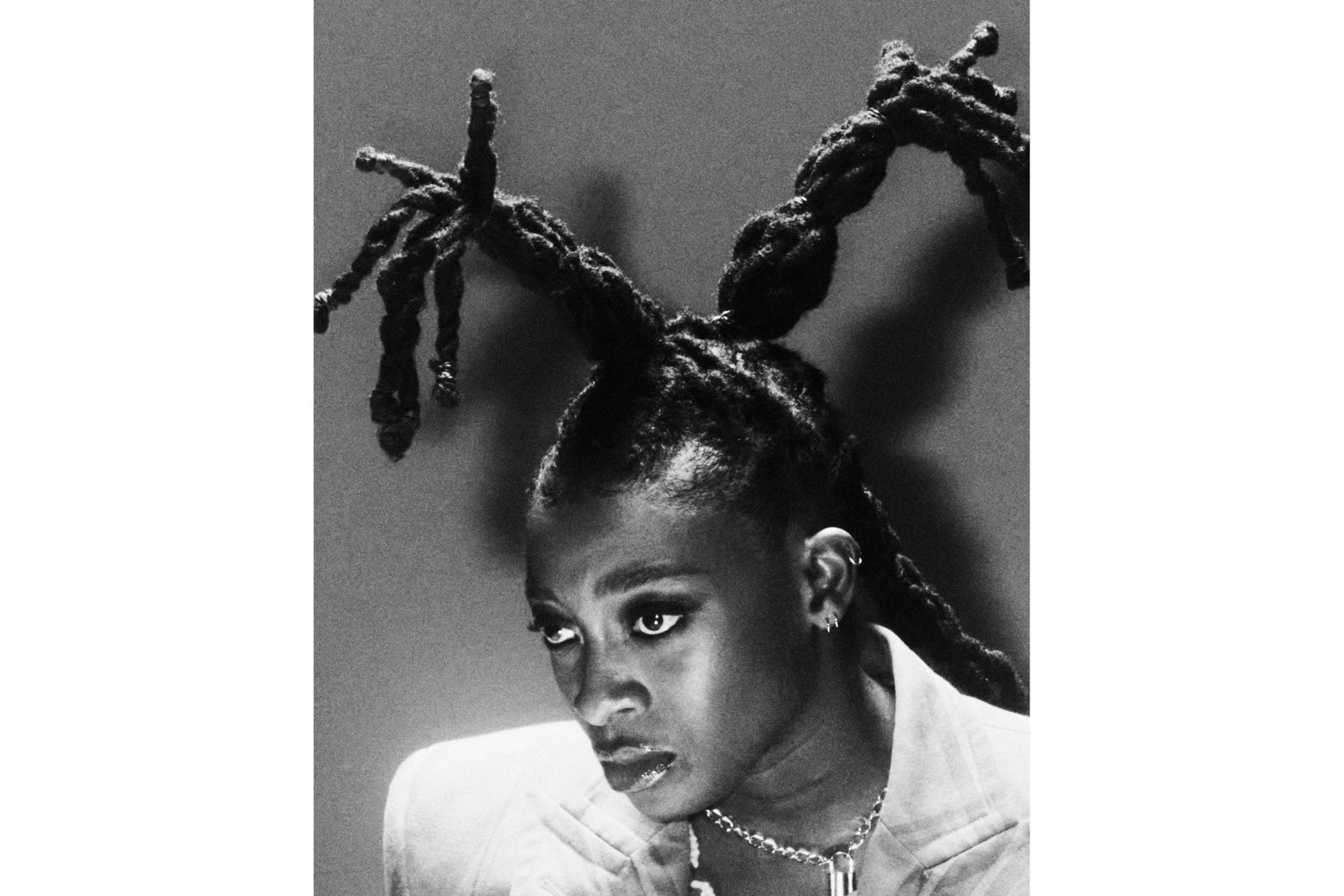
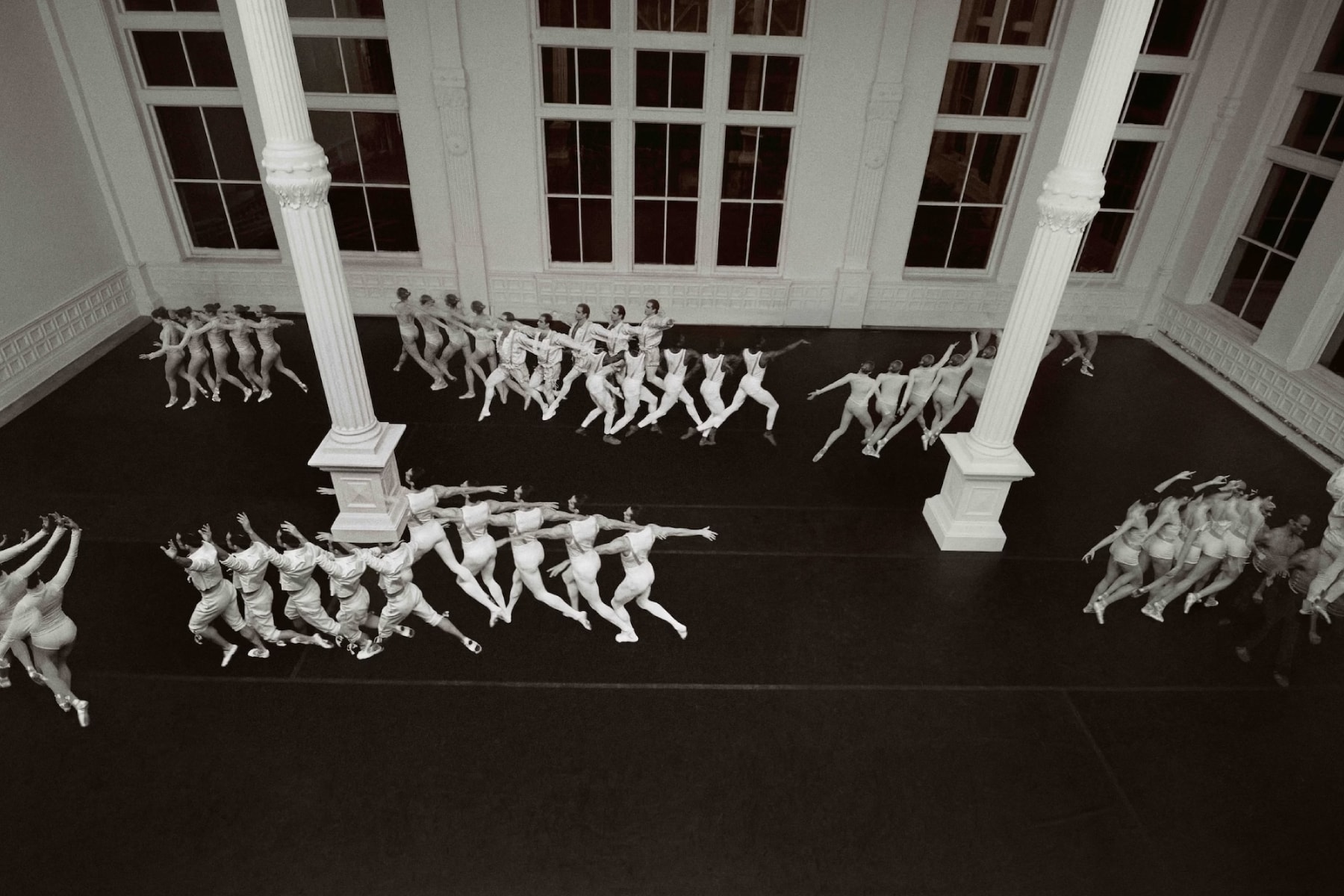
If what they say is true, and a picture is worth a thousand words, Thibaut Grevet wants his images to speak for themselves. Each houses its own universe, adrift between our lived reality and somewhere more sublime. Long-exposured bodies cascade in tight ribbons; stares on closely cropped faces cut through fields of grain, while others dissolve and bleed softly into themselves. In letting the frame slip he makes paradoxically precise the feeling of living inside a moment rather than simply observing it.
Born in the French countryside and now based in Paris, the director-photographer came into the camera on his own, looking to instinct and pure interest as his teachers. As a child, he picked up the family VHS to shoot motocross rides and skate clips. In college, he took up graphic design, where he went from arranging images to creating them. Now he’s an editorial mainstay — yet none of this, he tells me, was ever part of his “plan.”
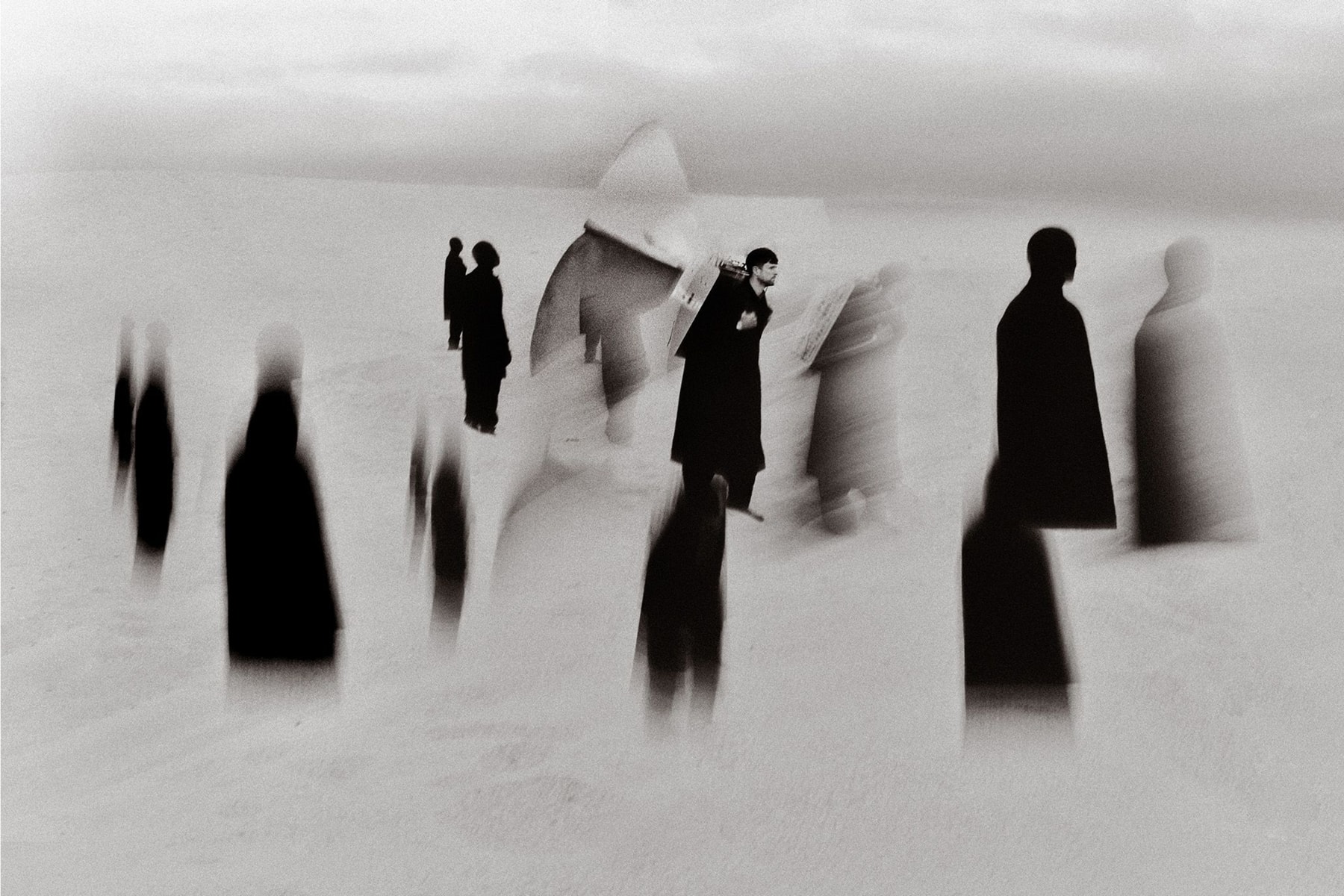
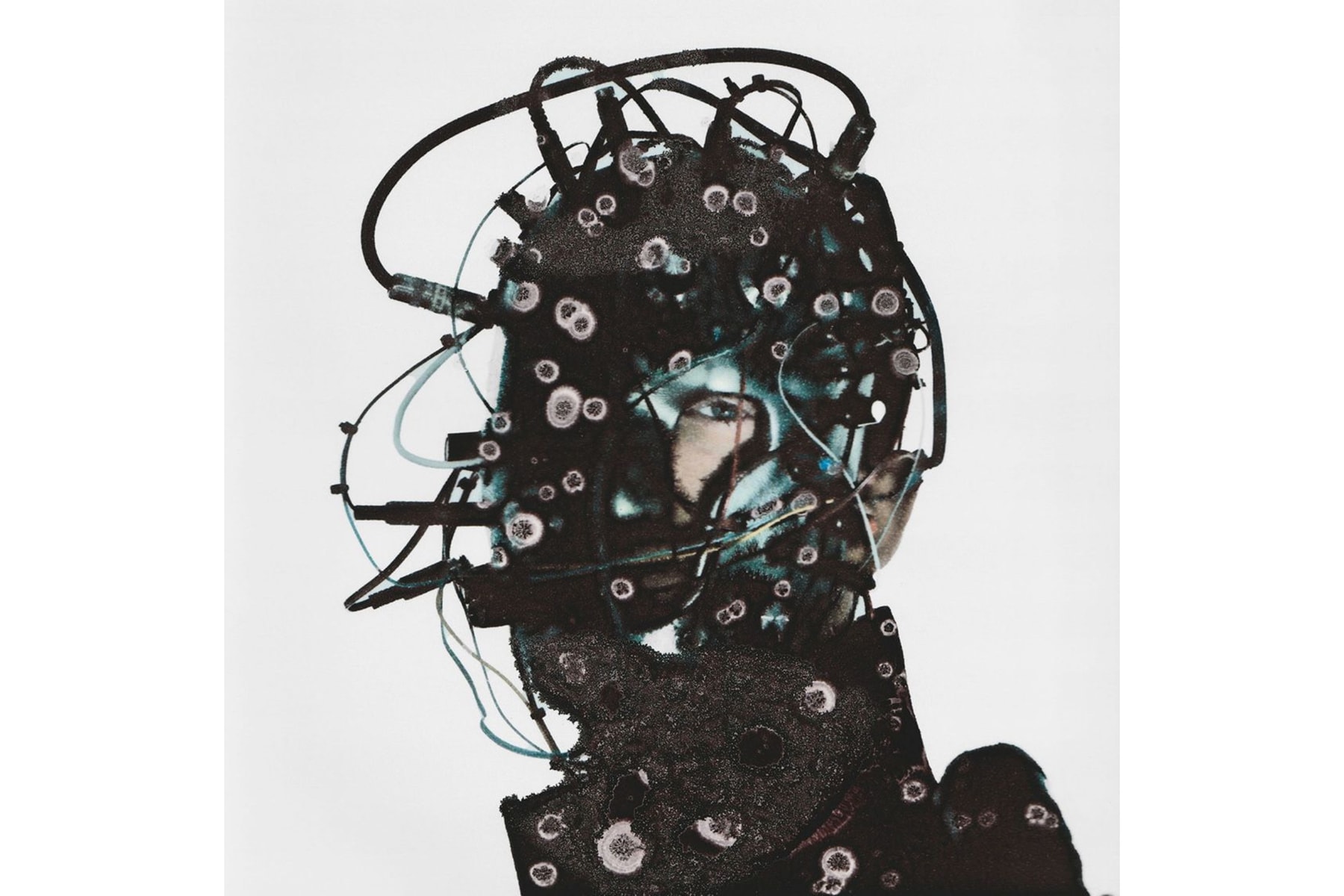
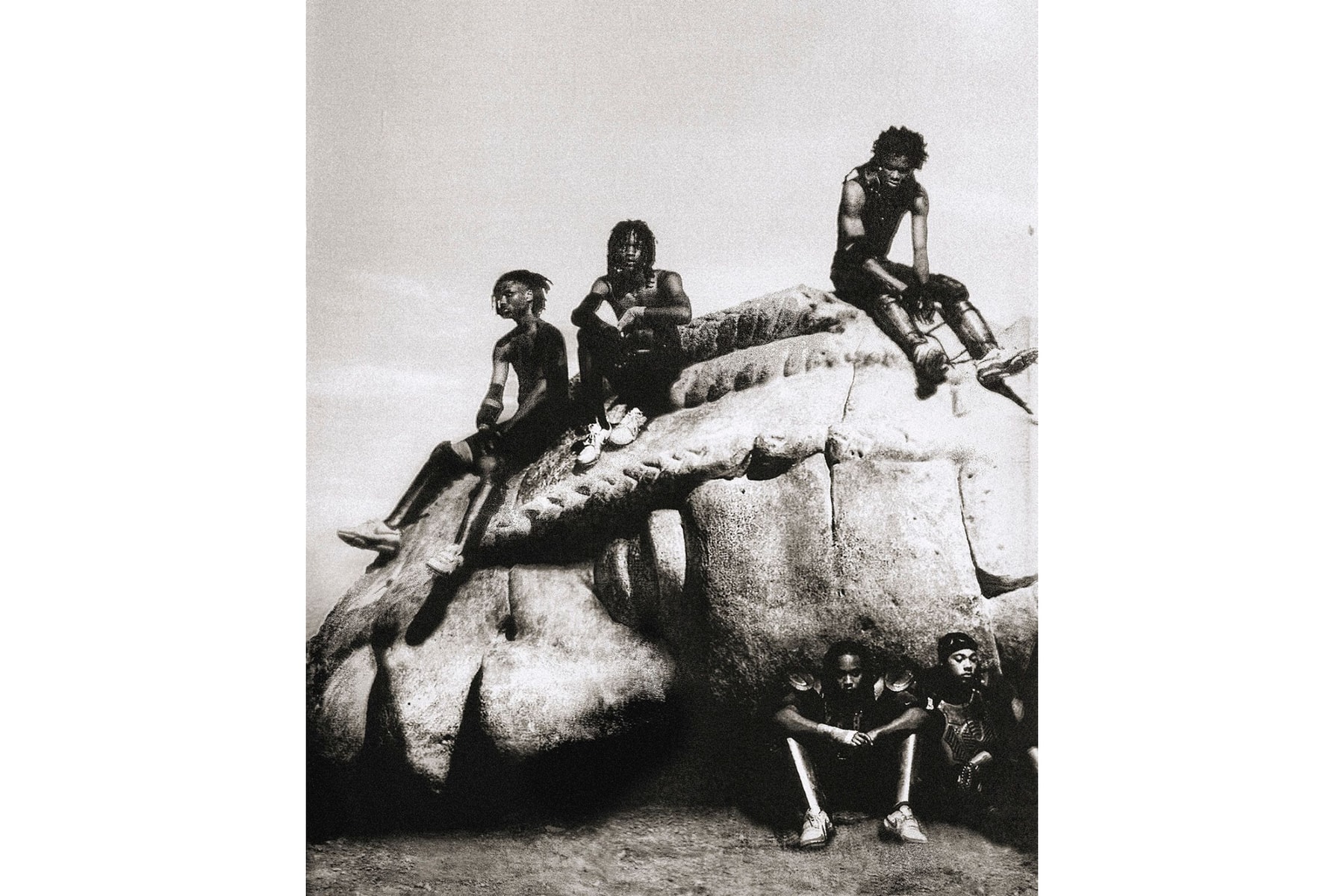
There’s something everlasting about the way Grevet captures his subjects, whether he’s working on a cover, music video, campaign or personal project, like Blurred. His client list is extensive — ranging from BMX riders and Benzes, rap’s heavy-hitters, streetwear labels and luxury houses — and even as he’s flourished in this high-gloss world, he’s not letting the scale of his projects weigh down his vision.
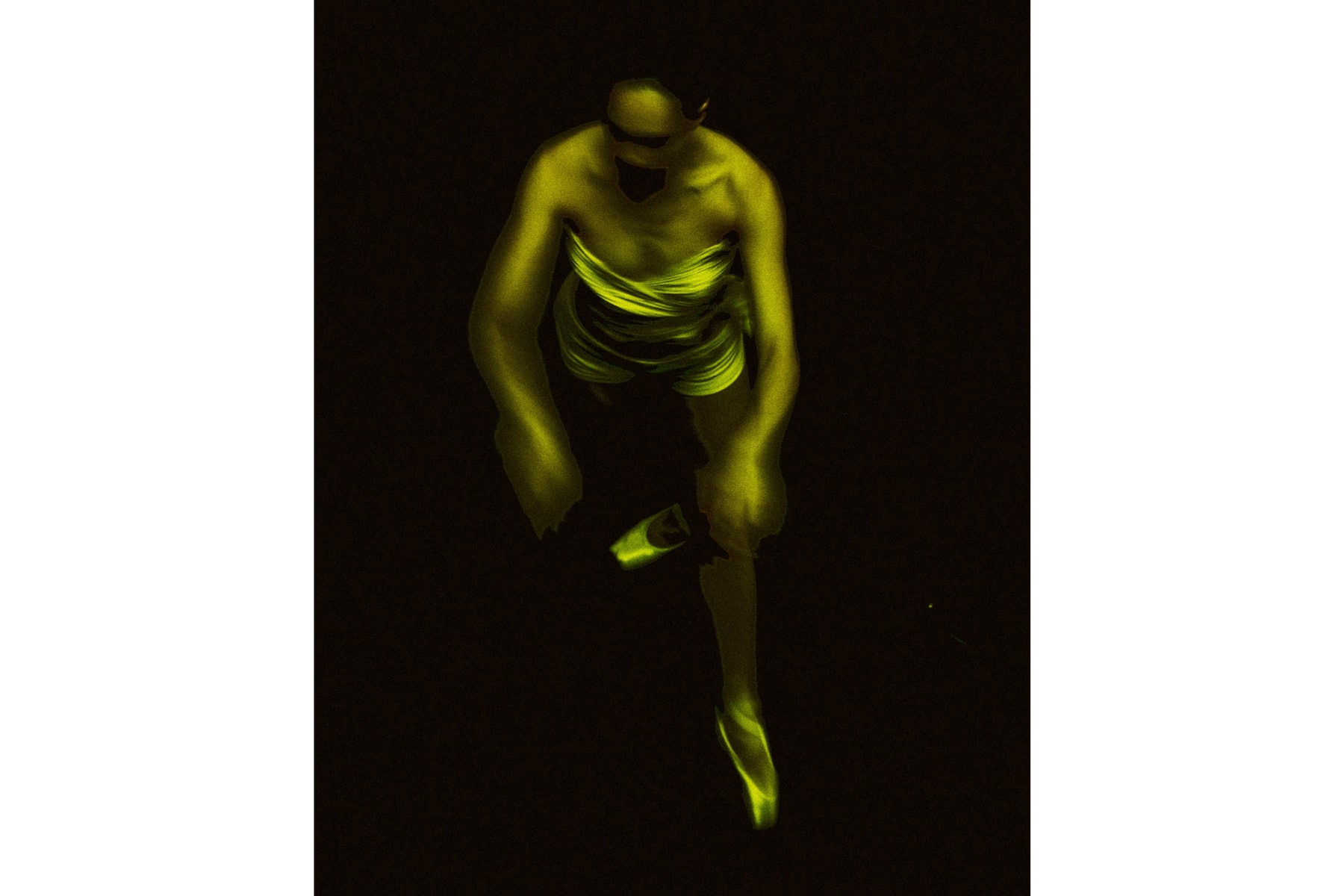
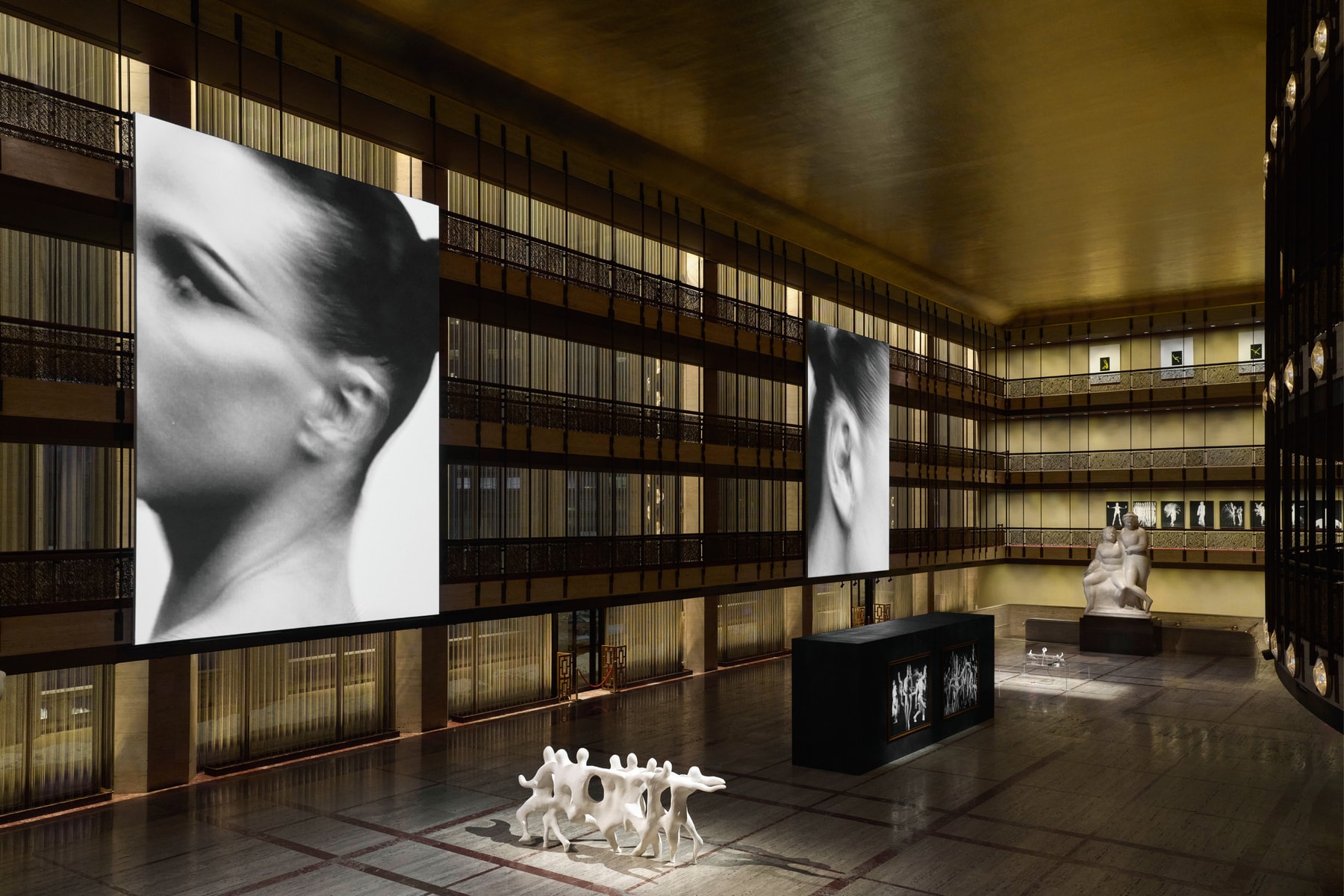
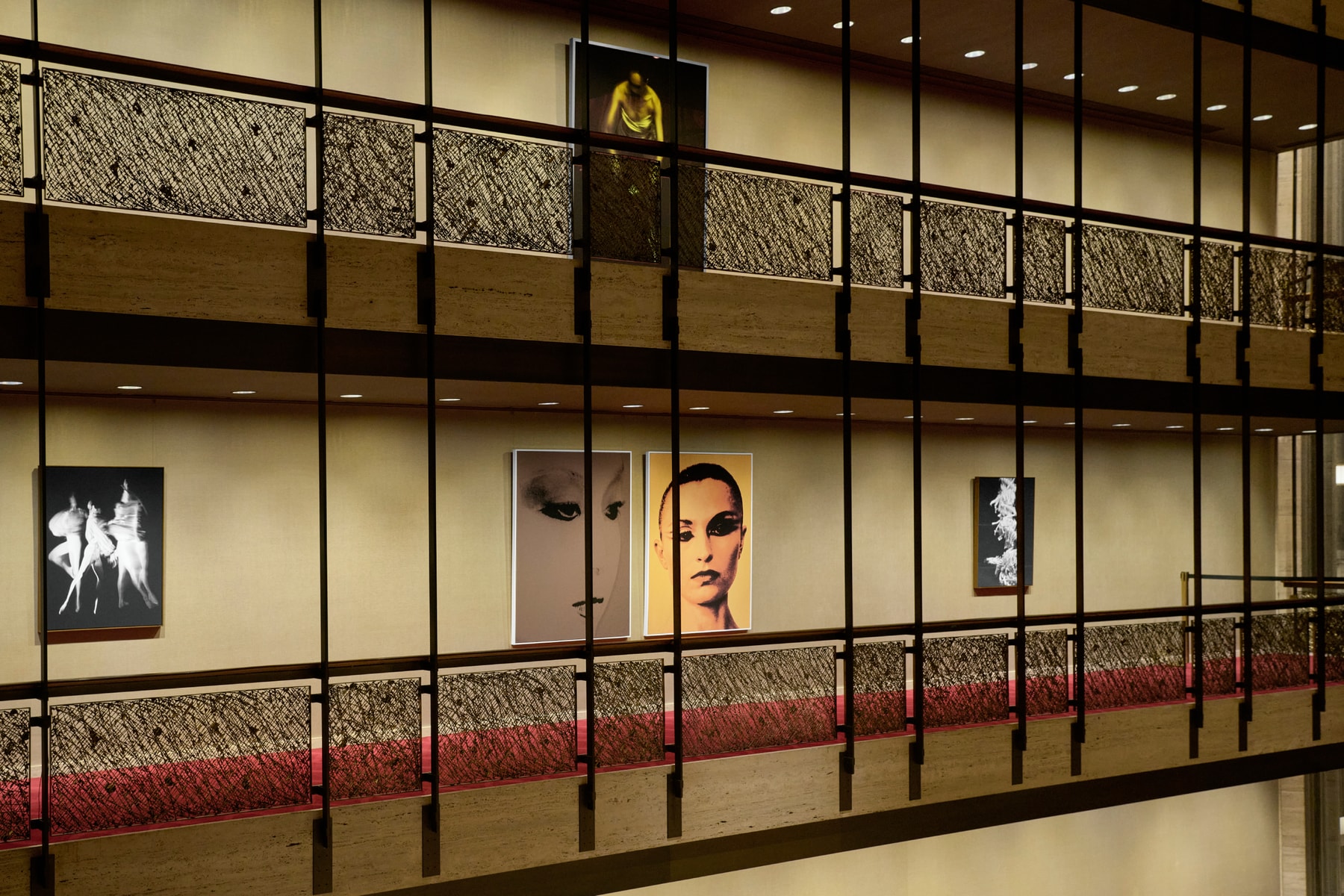
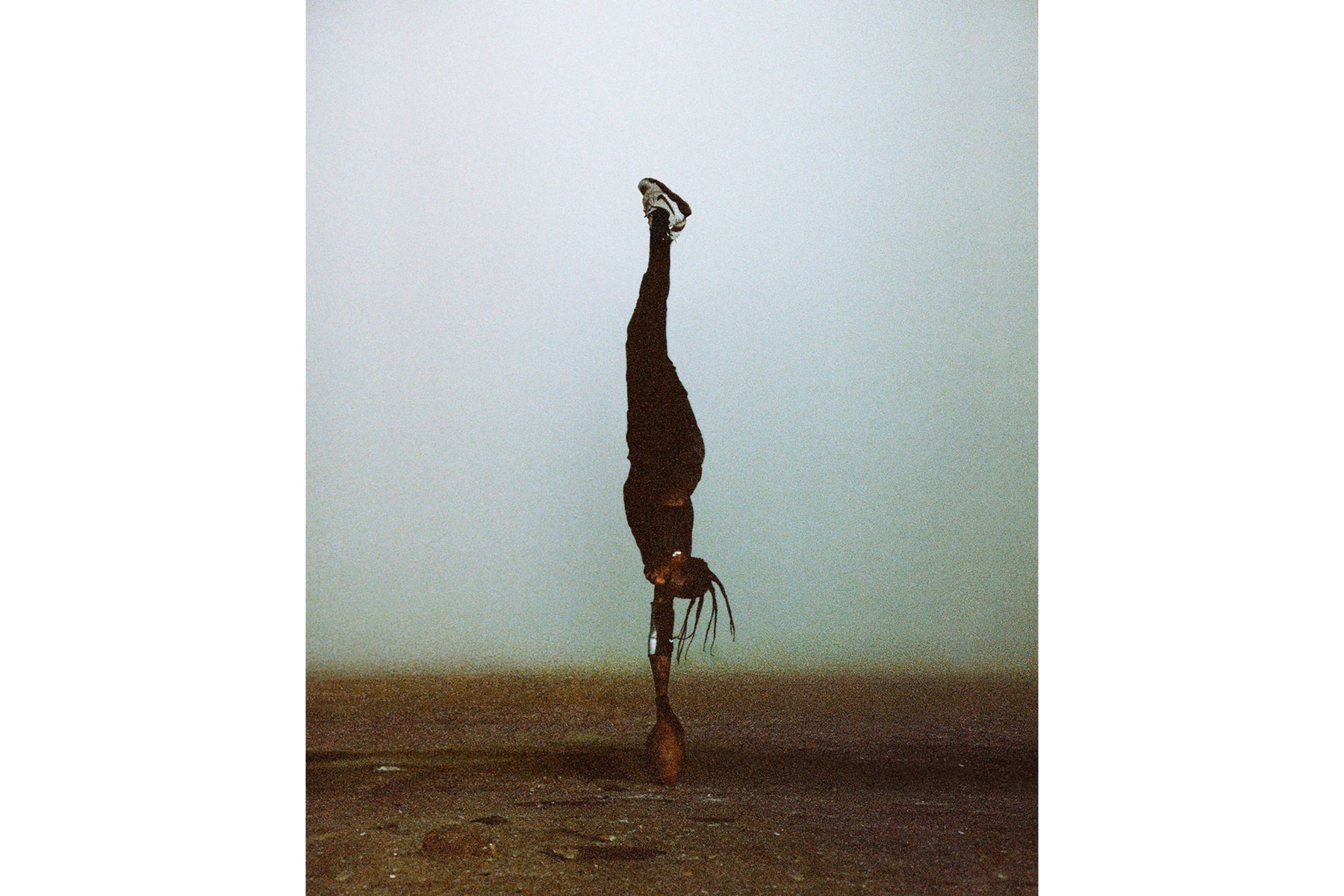
The call from New York City Ballet came at the “perfect time” in his career. Grevet was invited to take part in their annual Art Series and create a suite of works with the company, which will be published in Ballet, his sophomore photo book releasing next month. Though he’d never worked with ballet dancers before, the opportunity presented itself as a natural marriage between his artistic past and present: physicality and raw athleticism meets controlled composition.
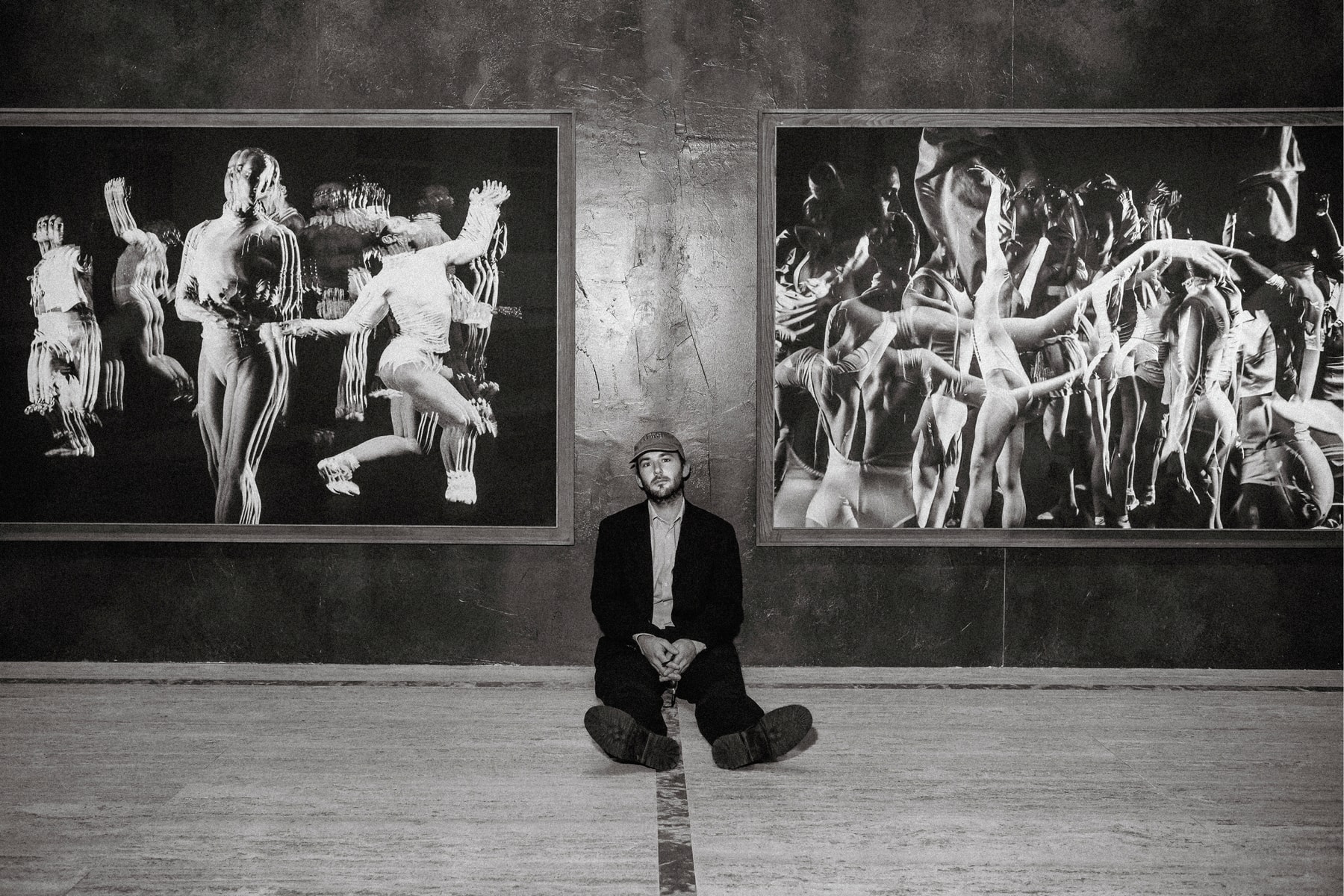
At Lincoln Center, applause swells for Grevet as he steps into this new theatrical spotlight. Ahead of one of the special Art Series performances, he’s asked to bow before the full house. Even with a four-floor solo mounted just beyond the doors, he humbly keeps to his seat. It’s his way of preserving an air of mystery around the artist, while letting the photos do the talking.
In this Through the Lens, Hypeart spoke with Grevet to learn more about his practice, his first foray into the world of dance and the codes, or lack thereof, behind the perfect shot.

“It really comes down to curiosity — trying things out and being a bit innocent about it.”
Can you describe your artistic upbringing? I heard you studied graphic design, which led you to photography?
It’s romantic to say it like that because I had no clue what I wanted to do after high school. I didn’t study photography or film or fashion. I would shoot with friends, but it was just for me to have fun and learn.
I ended up at a school that had a graphic design program and I fell in love with doing layouts. Later, I was a design intern at a magazine, where I was exposed to more videos and photos. Everything ended up coming full circle.
I’m not saying I have all the photographic knowledge. For me, it really comes down to curiosity — trying things out and being a bit innocent about it. I’m still learning a lot.
What are some other paths your curiosity has led you?
One time on set I was struggling to explain my vision, so I learned how to do 3D. It’s not anything crazy, but now I can communicate better with the set designer. It’s the same for language; I learned English through watching After Effects and Premiere tutorials.
What was your entry into fashion?
Vans was the first brand I worked with. They do surfing, skateboarding and BMX, and I felt linked to that because I grew up doing all these sports.
How do you strike a balance between commercial and personal work?
Nowadays, it’s more acceptable to be more artistic and do commercial work, but it wasn’t the same before. If you’re an advertising director, you wouldn’t direct a feature film, but that line is becoming more and more blurred.
I never expected this, so I’m able to go with the flow. I remember watching Billy Elliott back in the day, and now, 20 years later, I ended up having an exhibition in the New York City Ballet. Maybe there’s an unseeable energy that drives you there. Ballet, of course, is completely outside the world of skateboarding. It’s totally different.

“If an athlete is risking their lives to do a trick, you can’t miss the shot.”
Whether you’re shooting bikers or ballerinas, how do you time the perfect shot?
Every sport has rules on how to capture it, so it was challenging to make sure I could bring my vision into the ballet while still respecting the codes behind it. It’s also about practice and having the skill to click at the right moment. If an athlete is risking their lives to do a trick, you can’t miss the shot. There’s no user guide, but you get this feeling that you need to capture something. I’ve learned it from my own experience.
Do you have any rules or codes to your own practice? Any rituals or routines?
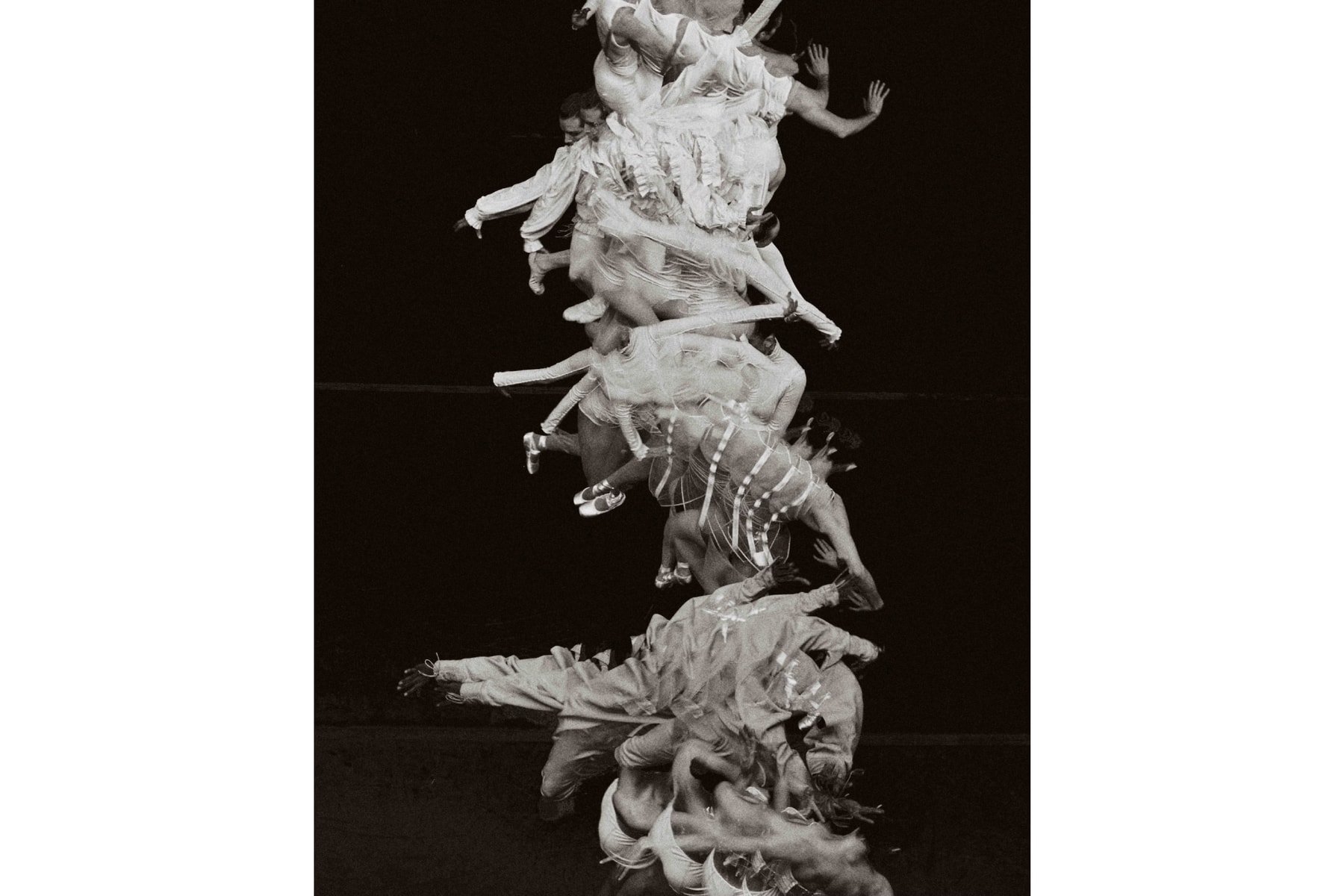
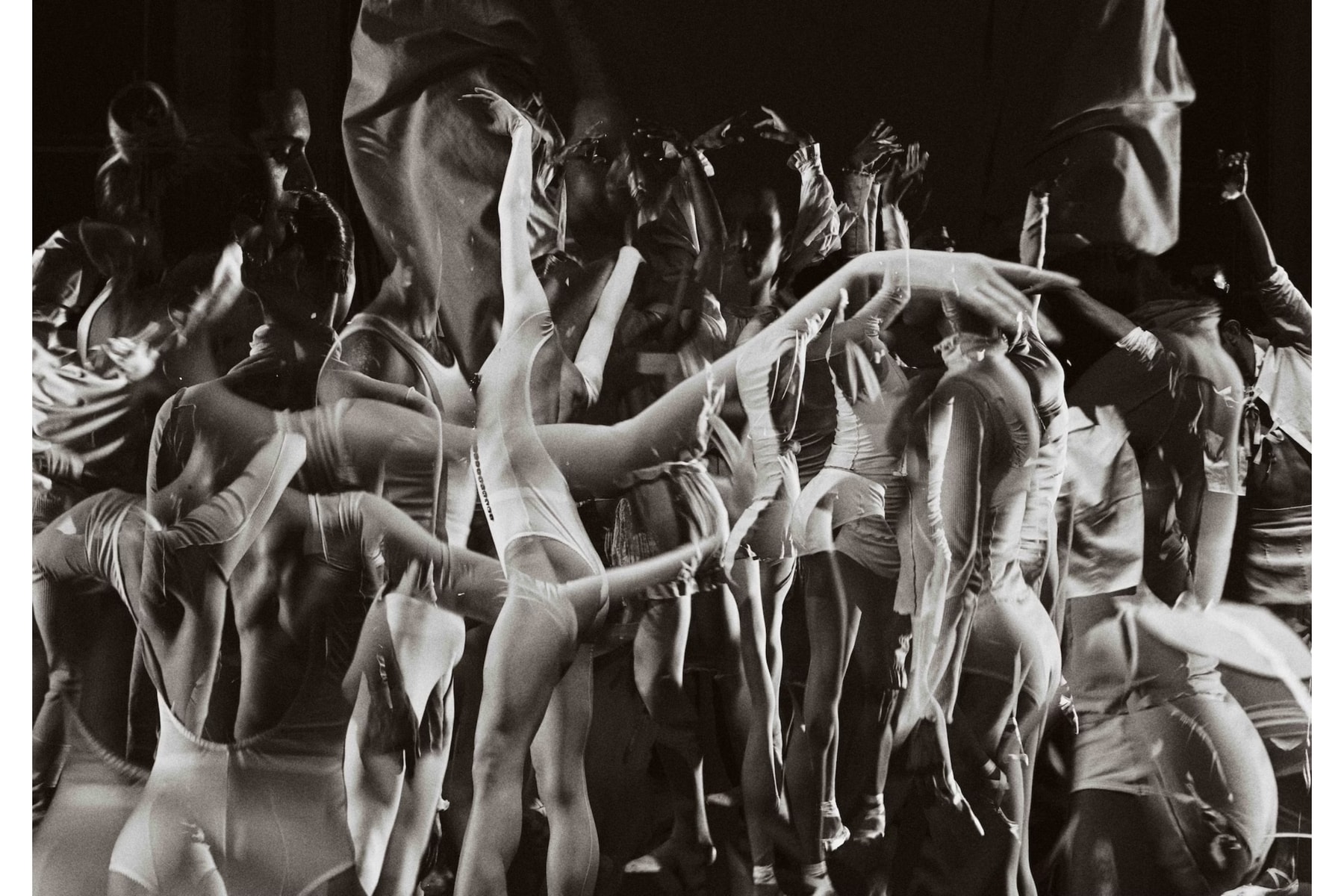
I don’t really have a routine, I try to let the unexpected happen. But at this stage of my career, especially with film, you need to envision everything you want: the background, who you want to shoot, how they dress. When I go to set, I try to be as prepared as I can be, and there’s a part of me that works off of feeling. For the ballet, we planned a multicam effect, a black box and synchronized flash. But the close-up shots and posture of the dancers came from the moment.
How did your New York Ballet Art Series come to be?
The ballet asked me to shoot the new season, then the Art Series directly. We shot the whole project in February 2024. It was pretty special, the whole team was amazing.
I started working in this industry doing skate videos, traveling around with a backpack, then went deep into fashion. Ballet blends these two worlds together; it’s a sport, but so close to the fashion world because of the way they dress, they act, they pose, yet there’s still an authenticity around it.
You move instinctually as a photographer, which adaptable to a wide range of subjects. Was there anything that surprised you about ballet?
What’s amazing about dancers is the way they’re able to use their body to fit the best photographic aspects — position their fingers, hands or shoulders, know exactly how much tension to put in the leg. They understand how the body reacts through the audience’s eyes, and the same can be said about the camera.
Ballet takes a lot of inspiration from human behavior, which makes it easier to photograph. I was inspired by Gjon Mili, who understood how to create and decompose movements, everything that happens in between, which is key to dance.

“When you do what I do, you need people that can be your family, your friend or your collaborator. ”
Can you tell me more about “We Exist In Time,” the film you created for the series?
The campaign is called “Performance,” so when I started writing the film, I separated that concept into layers. The calm in the beginning reflects the moment of preparation in any sport. The stop motion represents practice and repetition. Everyone remembers the sequence because as we shot it, I was shouting, ‘And go. And go,’ every second. After that, there’s a moment where you hold your breath and get ready to do the big jump, so at the end, I used a multi-cam effect to cover more in a single shot.
The film is a metaphor for performance. It took me almost nine months to edit, but it was really special and I’m super proud. It’s the type of project that doesn’t come around many times in your life.
By making connections between sport, art and performance, the series makes ballet more legible for non-dancers. Your work in music and art helped draw in a lot of attendees you wouldn’t expect to see at the ballet.
Exactly. Even some of the people I invited had never been to the ballet in New York. The program curation is really smart because it brings in a younger audience.
Who are some notable figures within your own journey as an artist?
When you do what I do, you need people that can be your family, your friend or your collaborator. I work a lot with this cinematographer, Joao De Botelho, and Pierre Nowak, a lighting director. Those two have been there with me for seven years.
I have a good amount of work now and people are loving what I do, but nothing feels set in stone. There can be loneliness in facing your work, your own job. The reason I’m here is because of the people that I can trust.
How do you navigate those hardships?
I’m often in Paris, but I go to the countryside as much as I can. I have friends out there that have nothing to do with this industry. My neighbors come over to tell me how to collect and eat mushrooms from the forest. People there have a simpler life. It’s grounding, and that’s important for me.
“The only thing that matters to me now is building something timeless.”
What’s a dream place to exhibit your work?
A museum.
Beyond your recent campaigns, do you have any other personal projects in the works?
There’s still so much I’d love to do. My biggest wish is to build a space, an atelier maybe, where I can bring artists together. I’ve been working on concepts for a book called Far. I’ve also always wanted to do a feature film. I don’t know if I will, but that’s been in the back of my head.
What’s the craziest place your career has taken you?
It’s hard to say, I’m still in it. When I’m just shooting alone or with a friend, I’m just as in love as when I work on a big production. Now that I’ve done this exhibition and worked on crazy projects, the only thing that matters to me now is building something timeless.
All photos courtesy of Thibaut Grevet and Division for Hypeart. Installation imagery by Andy Romer for the New York City Ballet.


