








When I first met Jacob Consenstein around 2018 or 2019, I was still building the early version of Hypeart inside Hypebeast and Jacob was already several years into a photography practice that was gaining momentum. For our latest Through the Lens feature, he recounts that period less as a linear timeline and more through the images he was making. “A lot of my memory is tied to the images I was making,” he says. “To be honest, I had to go back through photos to remember exactly what was happening, ”
At the time, he was living in Harlem with close friends, shooting constantly and working retail at Snow Peak in SoHo. The job unexpectedly shaped his network. “ I was in SoHo every single day, and everyone working there was also an artist or building something on the side.” Even as commercial opportunities started coming in, he was still working retail shifts. “It was a funny contrast because I was still clocking into a retail job while those opportunities were happening.
Those years were formative. In 2019, AT&T licensed nine images from his archive for its “It’s a 212 Thing” campaign, turning his photographs into citywide placements. He released a book around Wiki and Sage Elsesser’s Half God album, funded by Warped Records and printed in Germany. His work appeared in Agnès B’s Snap Cardigan series alongside David Lynch, Gaspar Noé, William Strobeck, and Cheryl Dunn and he collaborated with Adidas, Carhartt WIP and Alife.

“I saw a tweet once that was basically: I thought I was religious as a kid because church made me feel so much, and then I went to my first concert and realized I just love live music.”
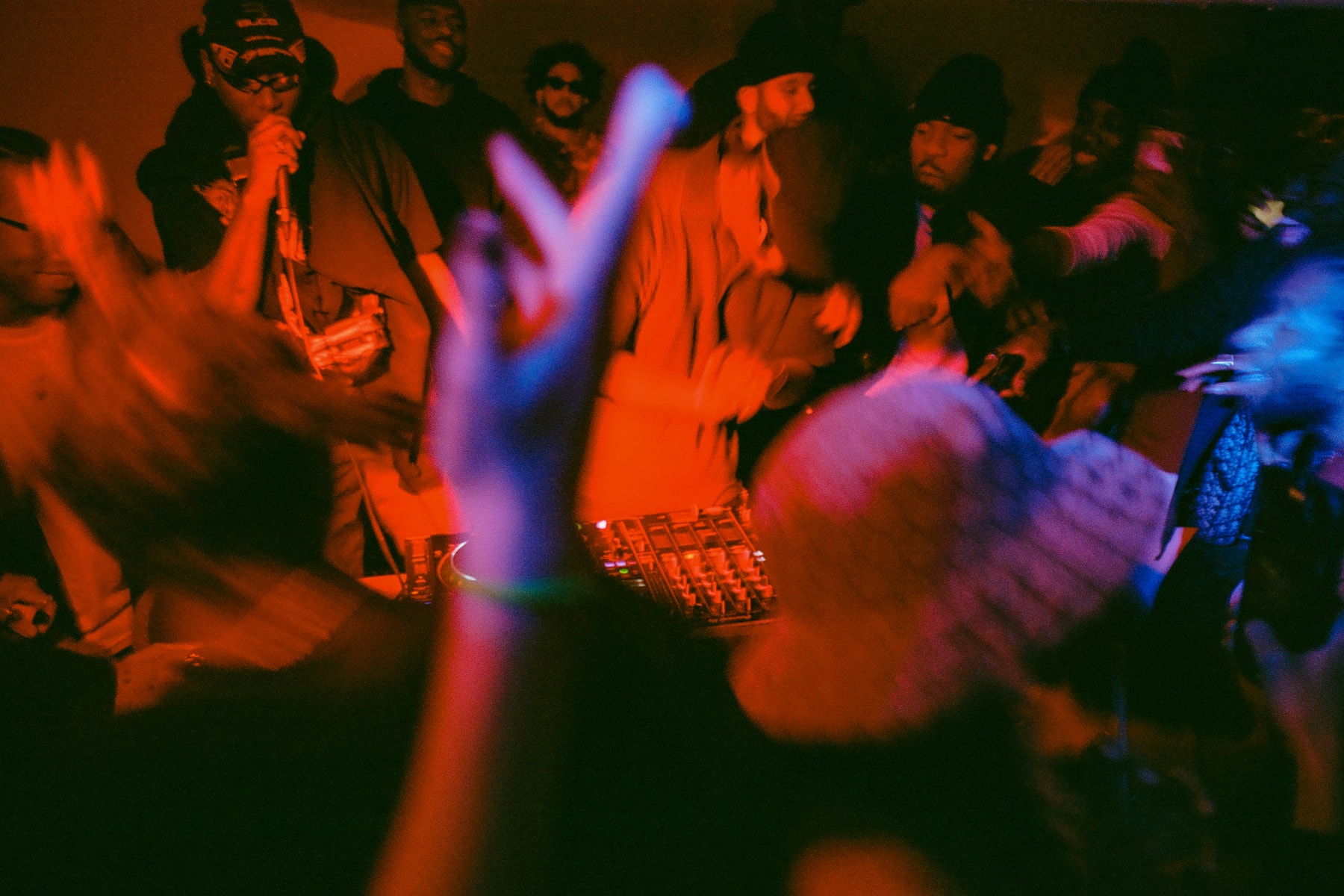
Alongside the commercial work, he was documenting nightlife, photographing friends, chasing portraits, and navigating the emotional intensity of his early twenties. “It felt like there was a real gestation period in my peer group at that time, in terms of the work we were making, the people we were around, and the energy of the scene.” He also mounted his first solo show, Glass Walls, with Manual NYC, a moment he remembers as both validating and communal. “Everything was open and kind of limitless – there wasn’t that looming, omnipresent doom of people getting sick. New York youth culture felt like it had so much energy. Then 2020 hit and it felt like all of that got stripped away and forced a full reset, which has been a lot to reflect on. ”
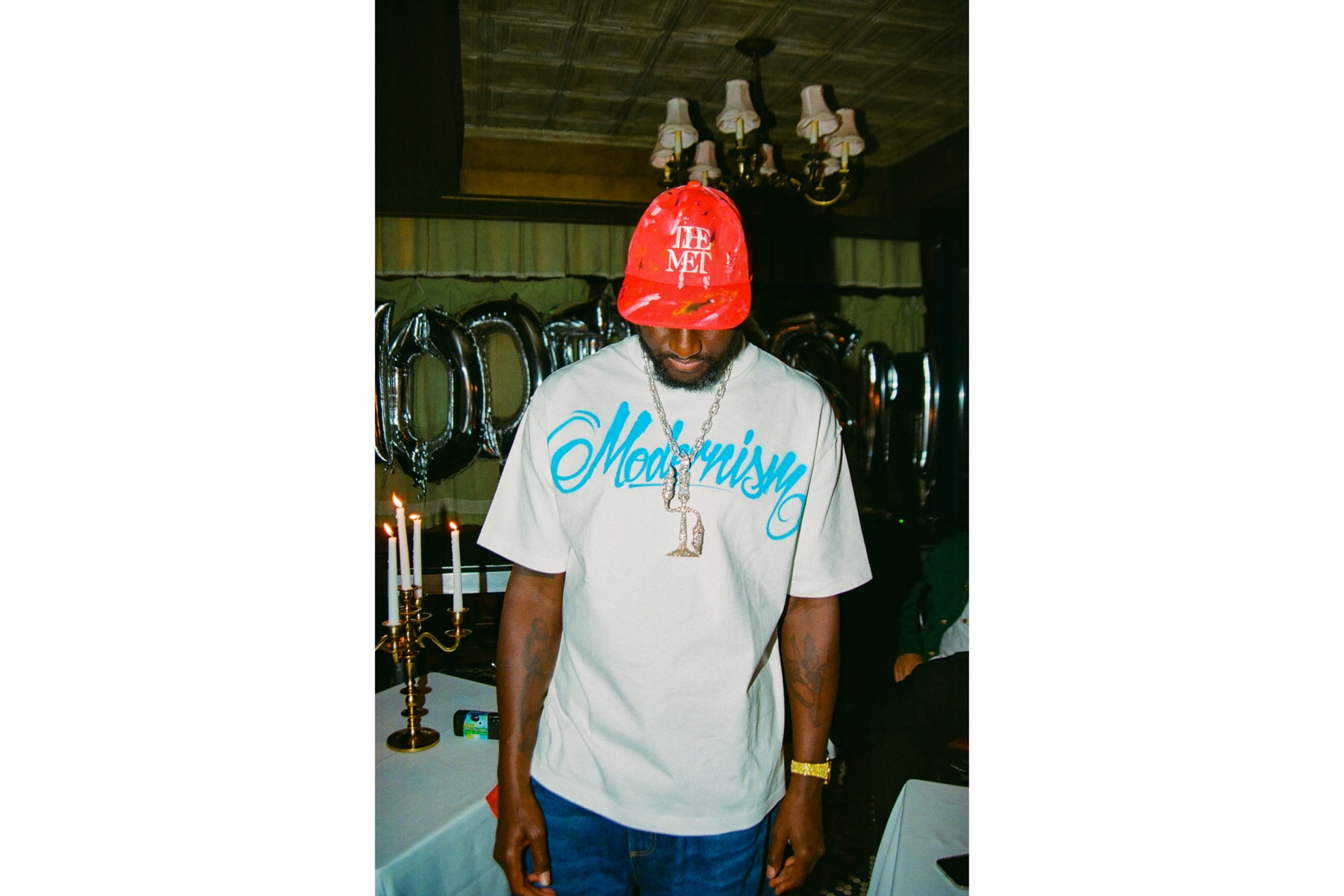
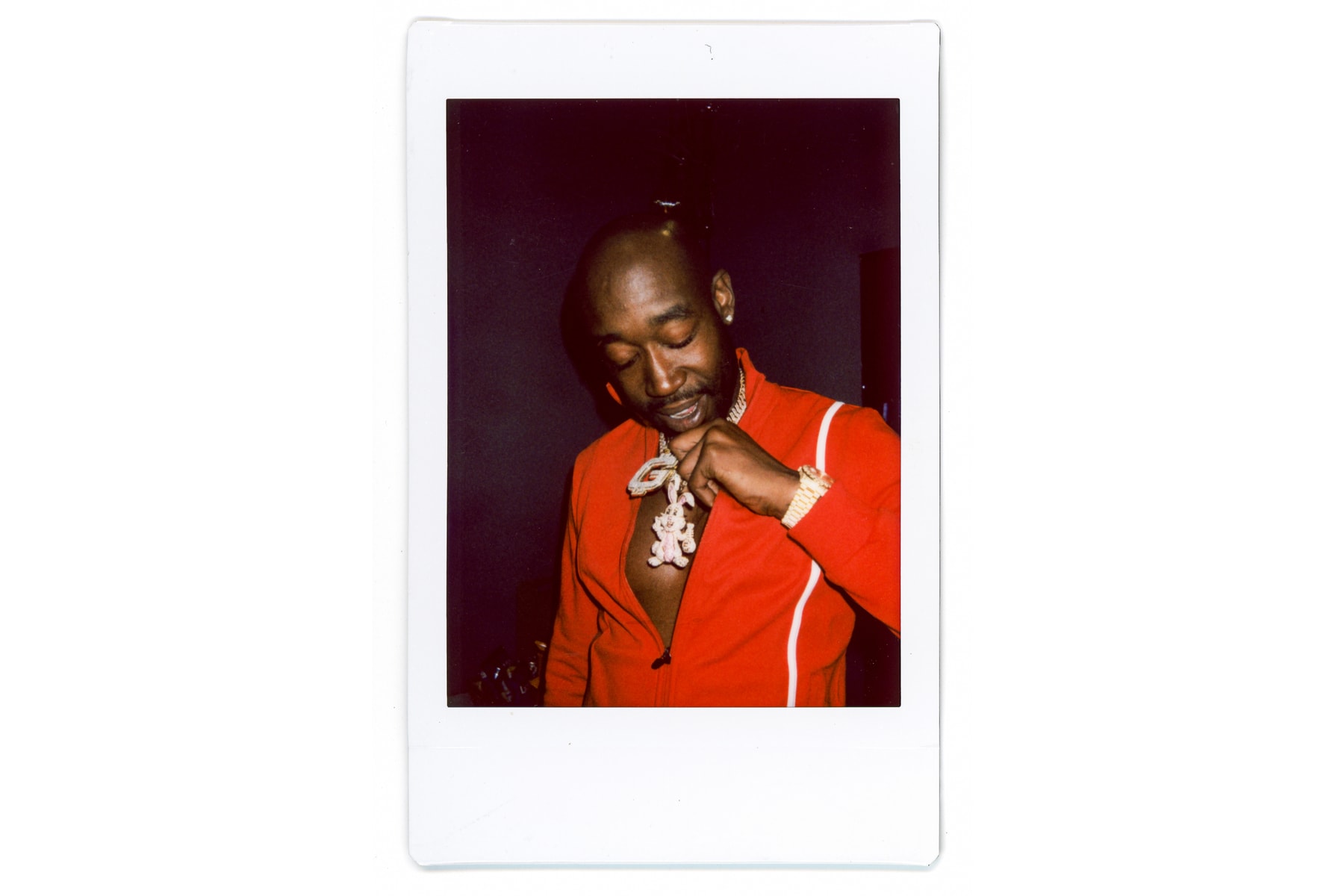
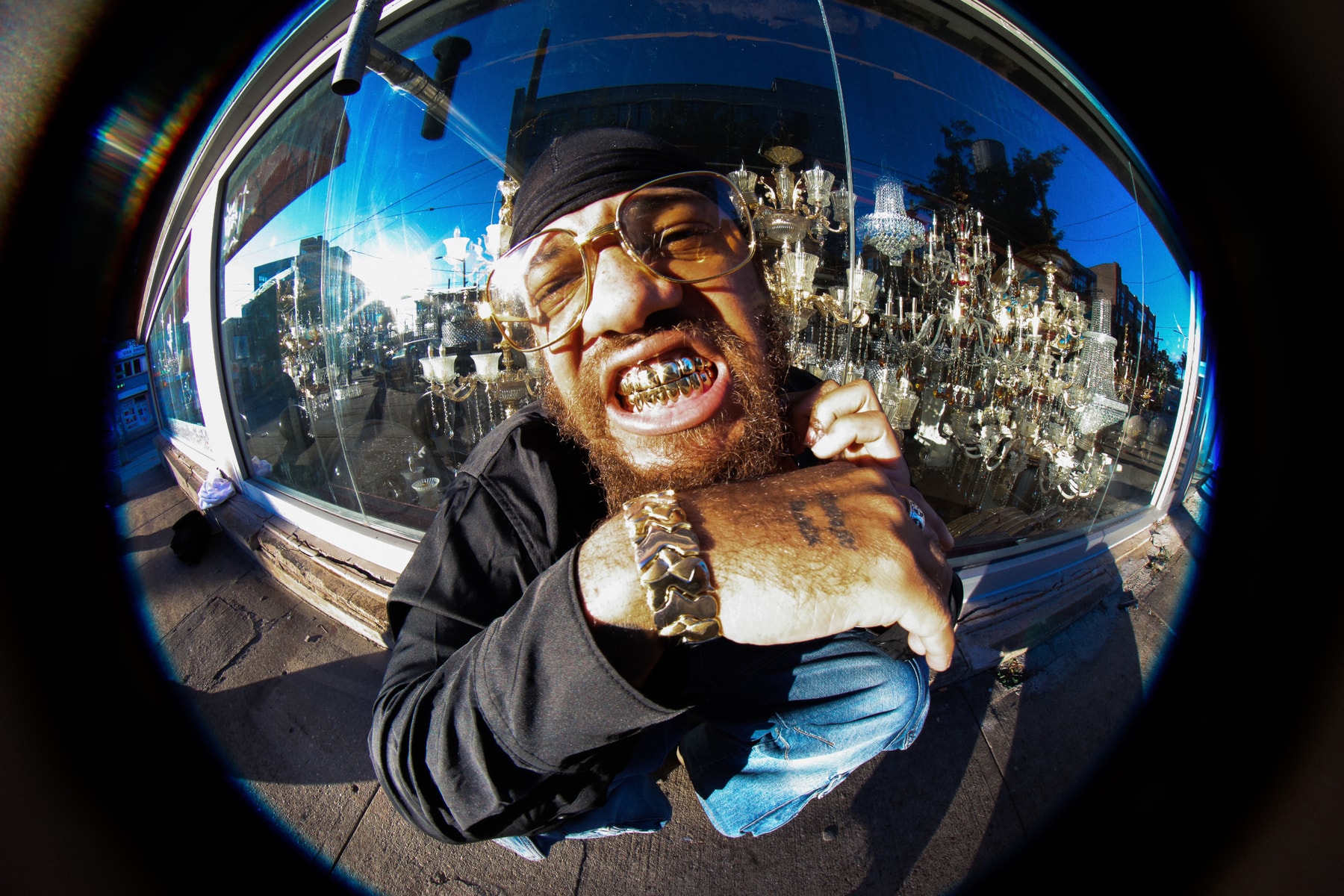
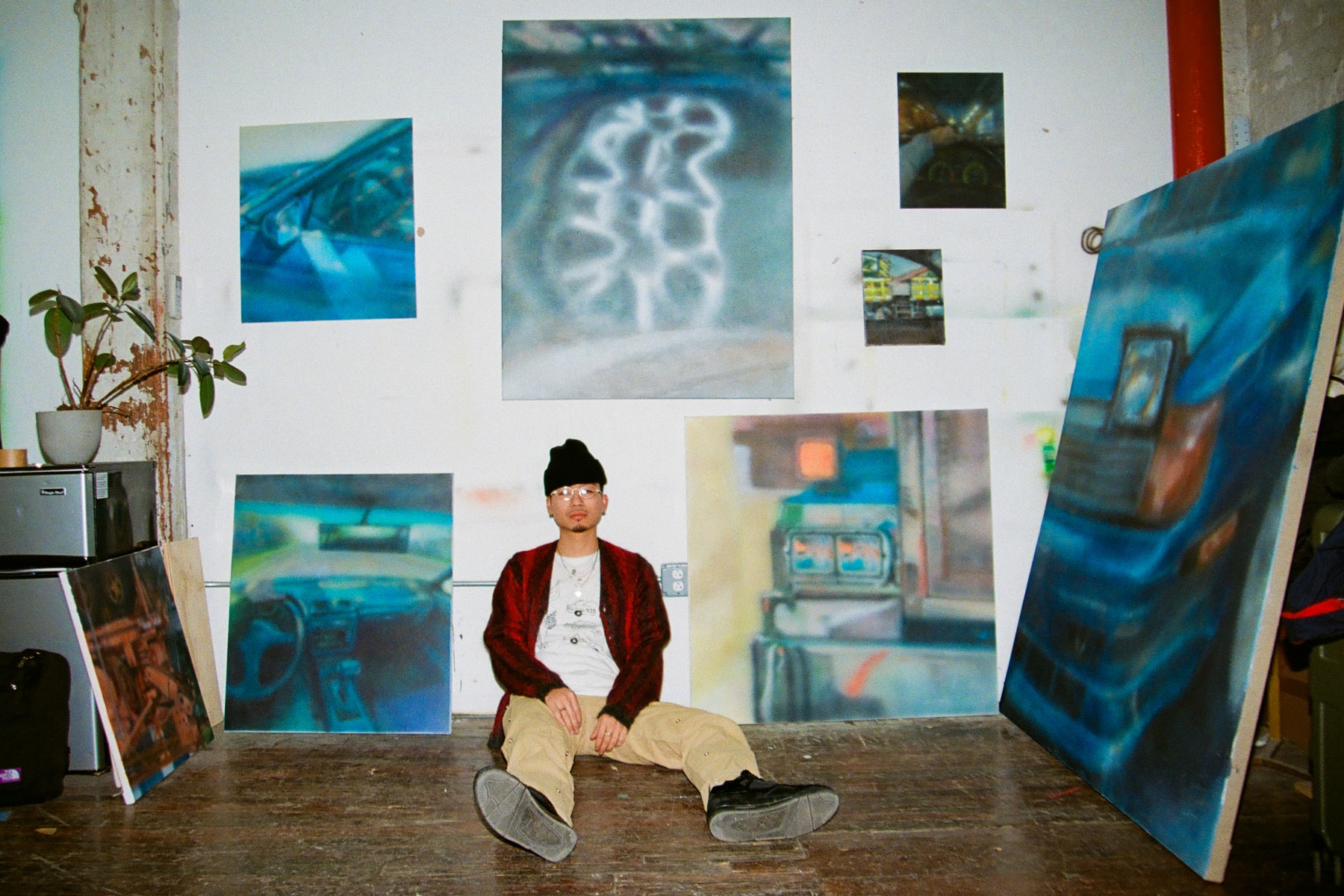
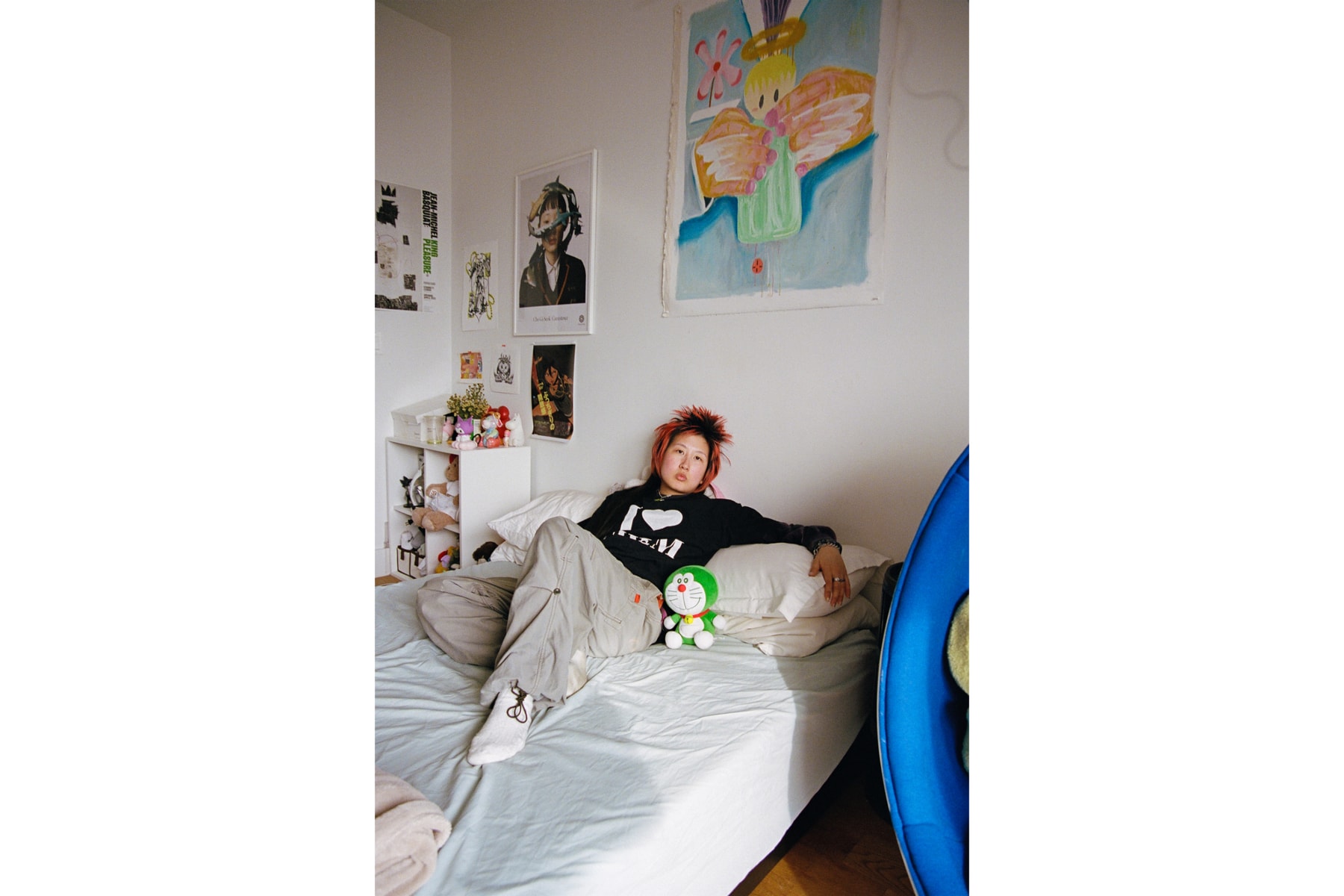
That period also explains his focus on intimate portraits of artists and musicians. “I was surrounded by so many incredible young people making really impressive work, and it felt necessary to start using the network I was building in a way that amplified other people, while also giving viewers real context for what the New York art scene looked like,” he says. His approach shifts depending on subject. With artists, his work leans documentary, rooted in process and environment. With musicians, it becomes more editorial: press images, album covers, tour documentation.
His relationship to music runs deep. He grew up surrounded by it, from his dad’s Deadhead playlists to his sister’s punk records, eventually landing in ’90s hip-hop. “I saw a tweet once that was basically: I thought I was religious as a kid because church made me feel so much, and then I went to my first concert and realized I just love live music. That’s exactly it for me,” he says. Over the years, he has toured multiple times with BadBadNotGood, photographed covers, directed music videos, launched a live studio series with NOT97, and photographed more than 40 artists in their studios.
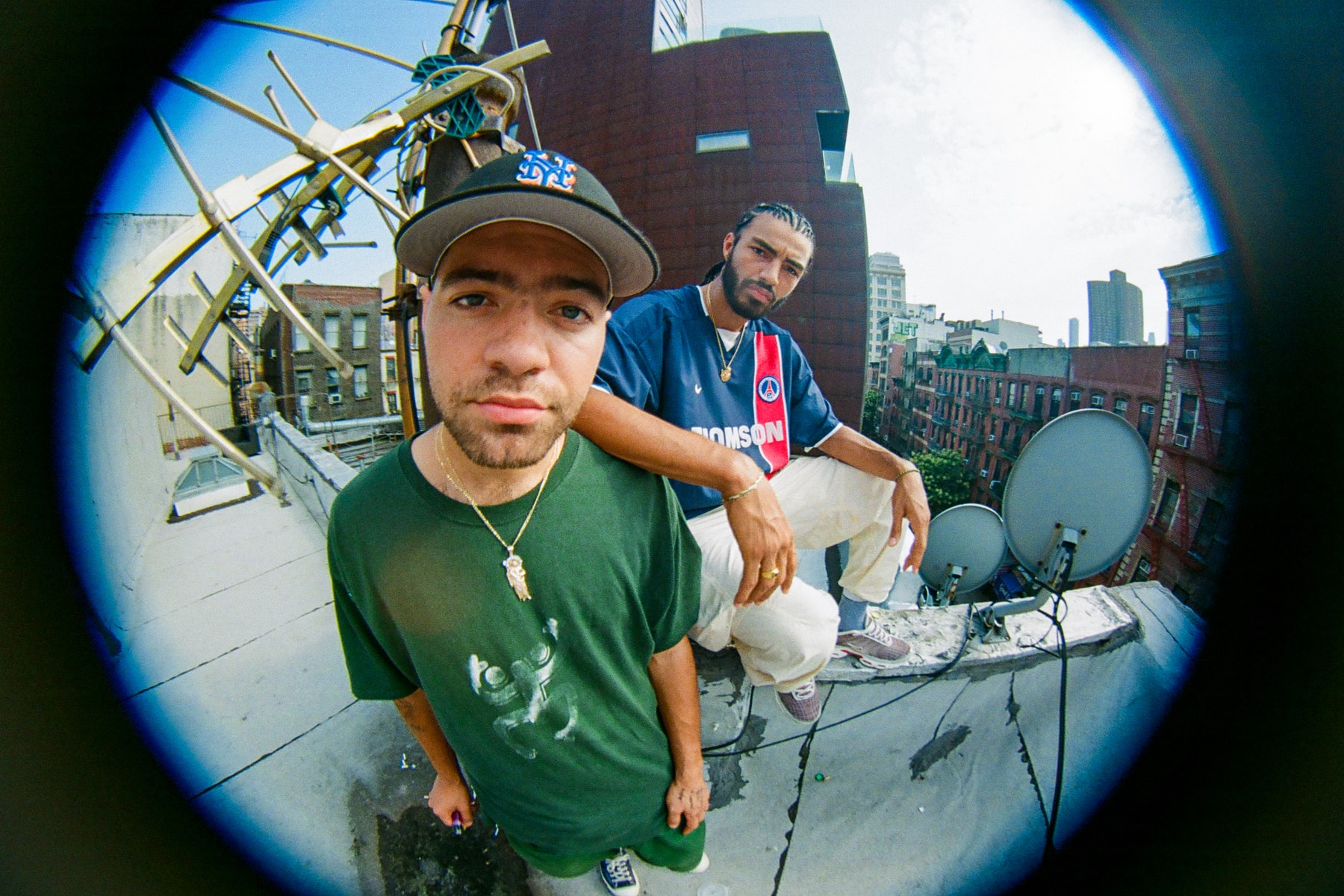
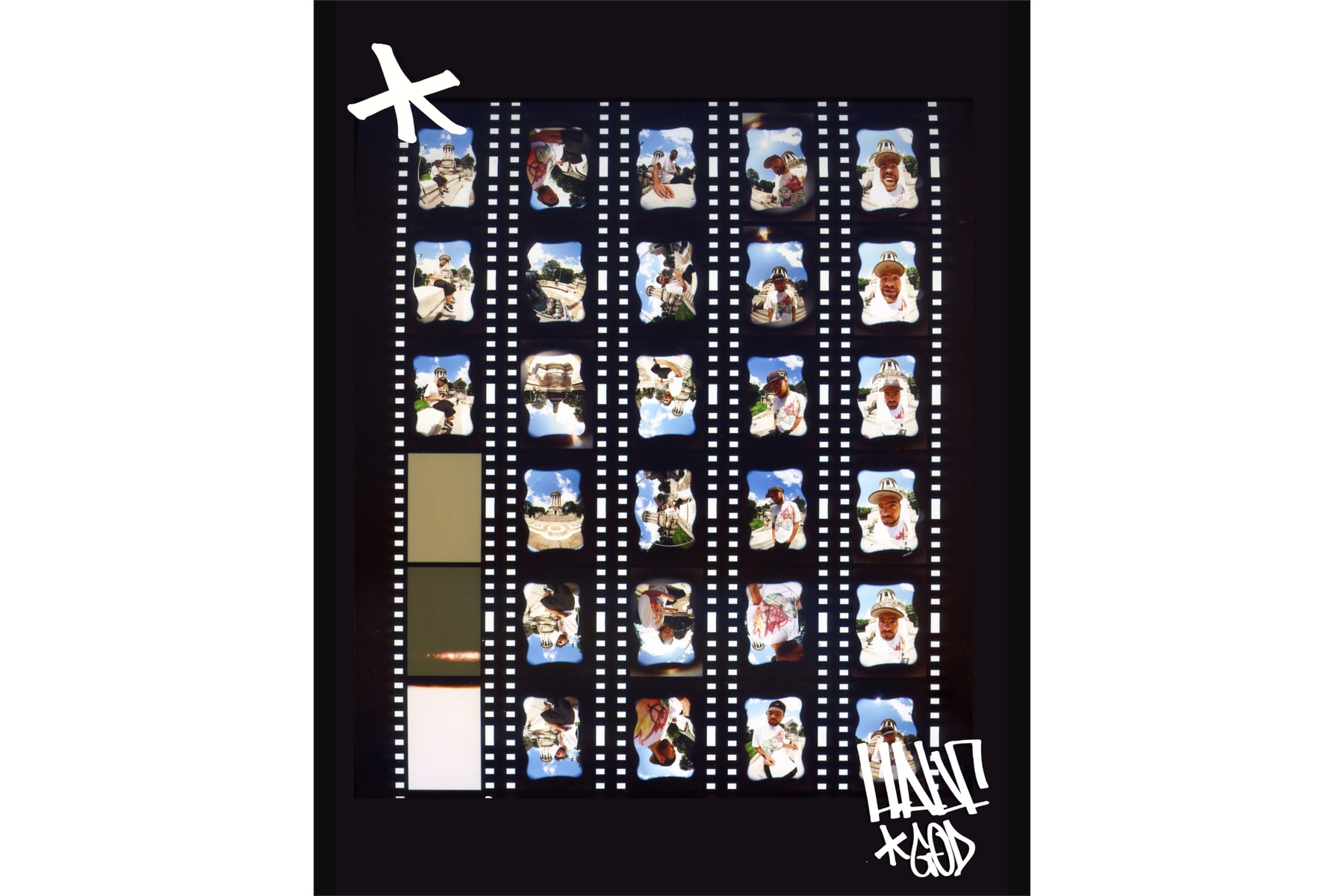
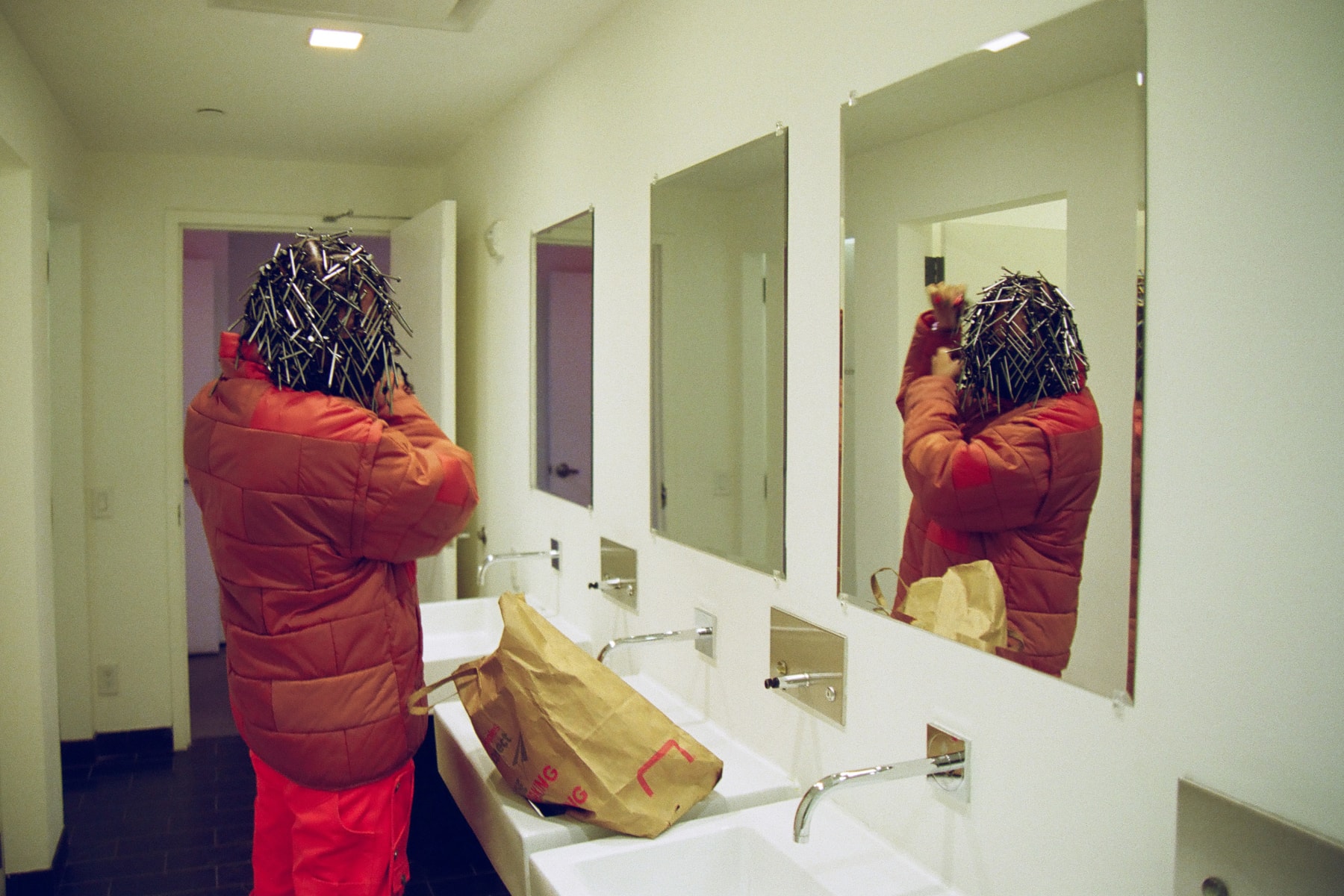
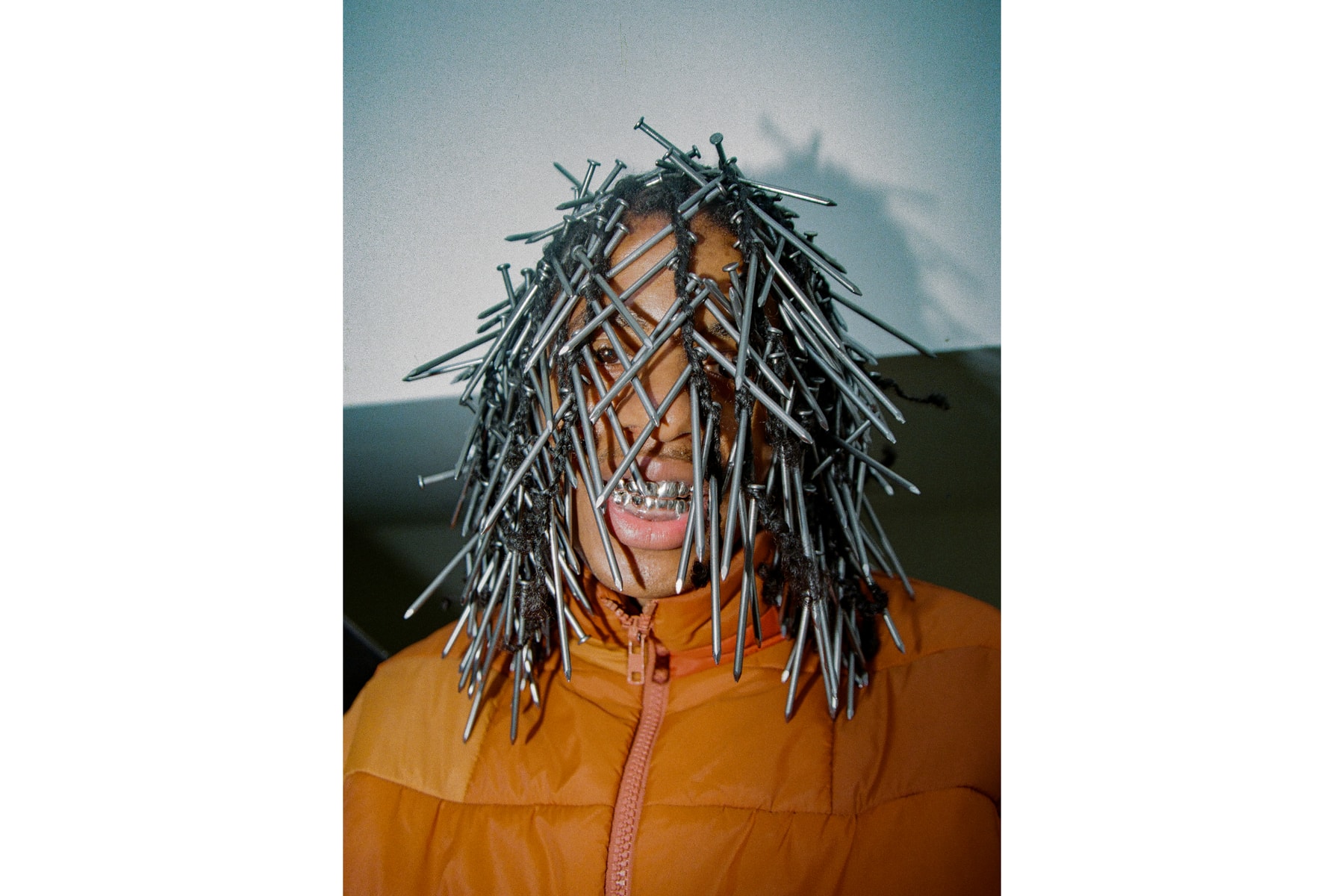
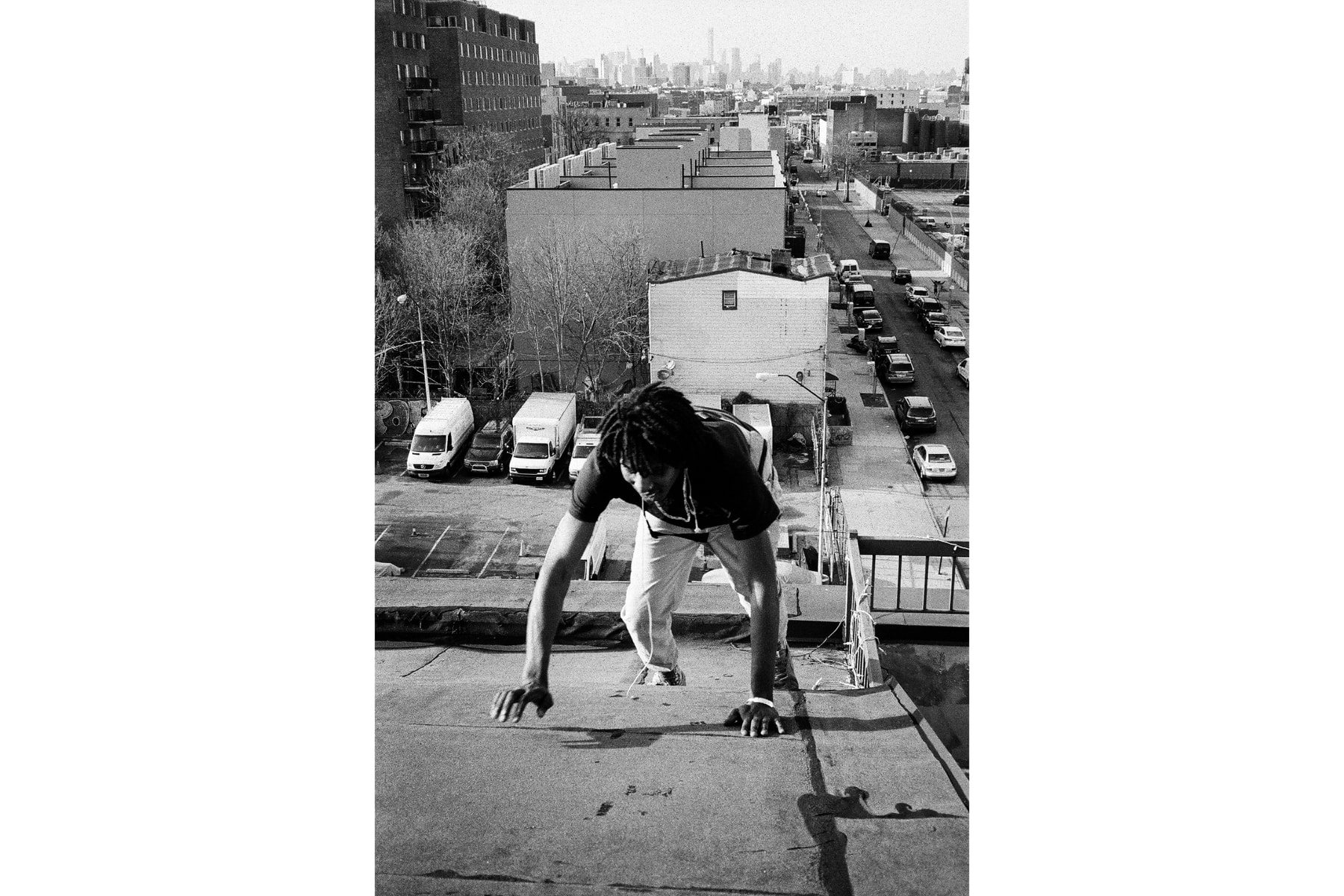
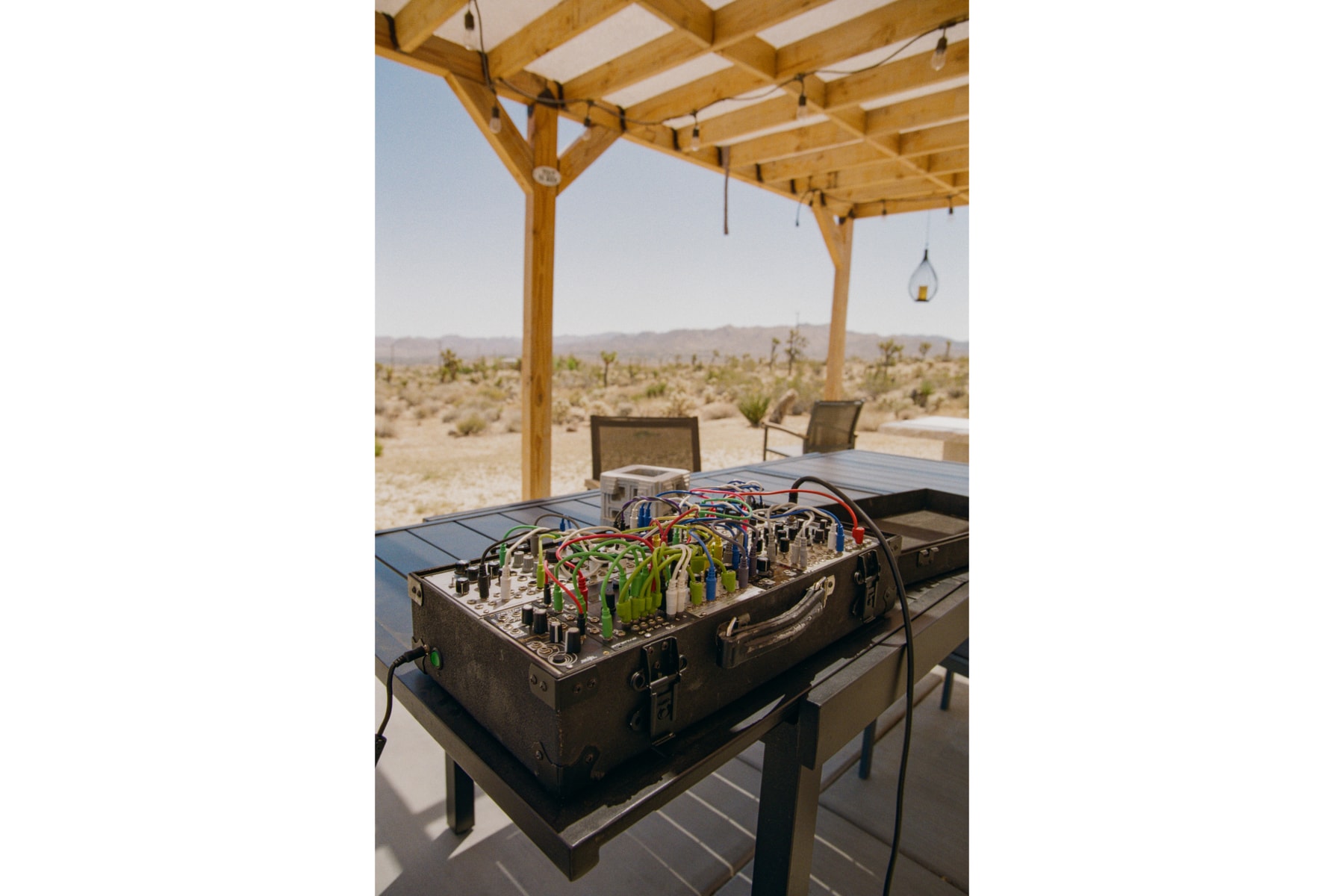

“The second you step outside, you’re at the whim of the city. You’re forced to interact with things you’ve never encountered before…”
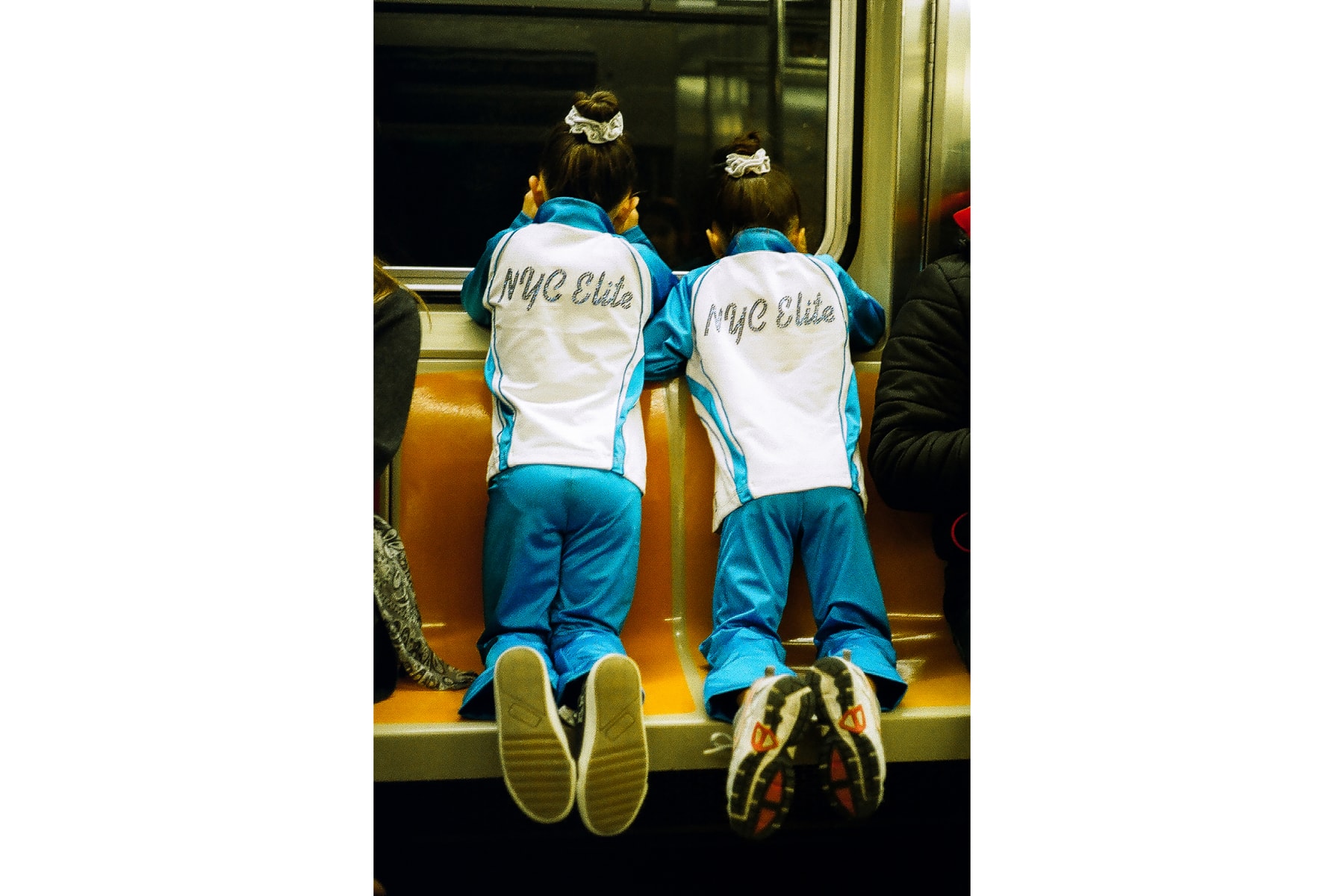
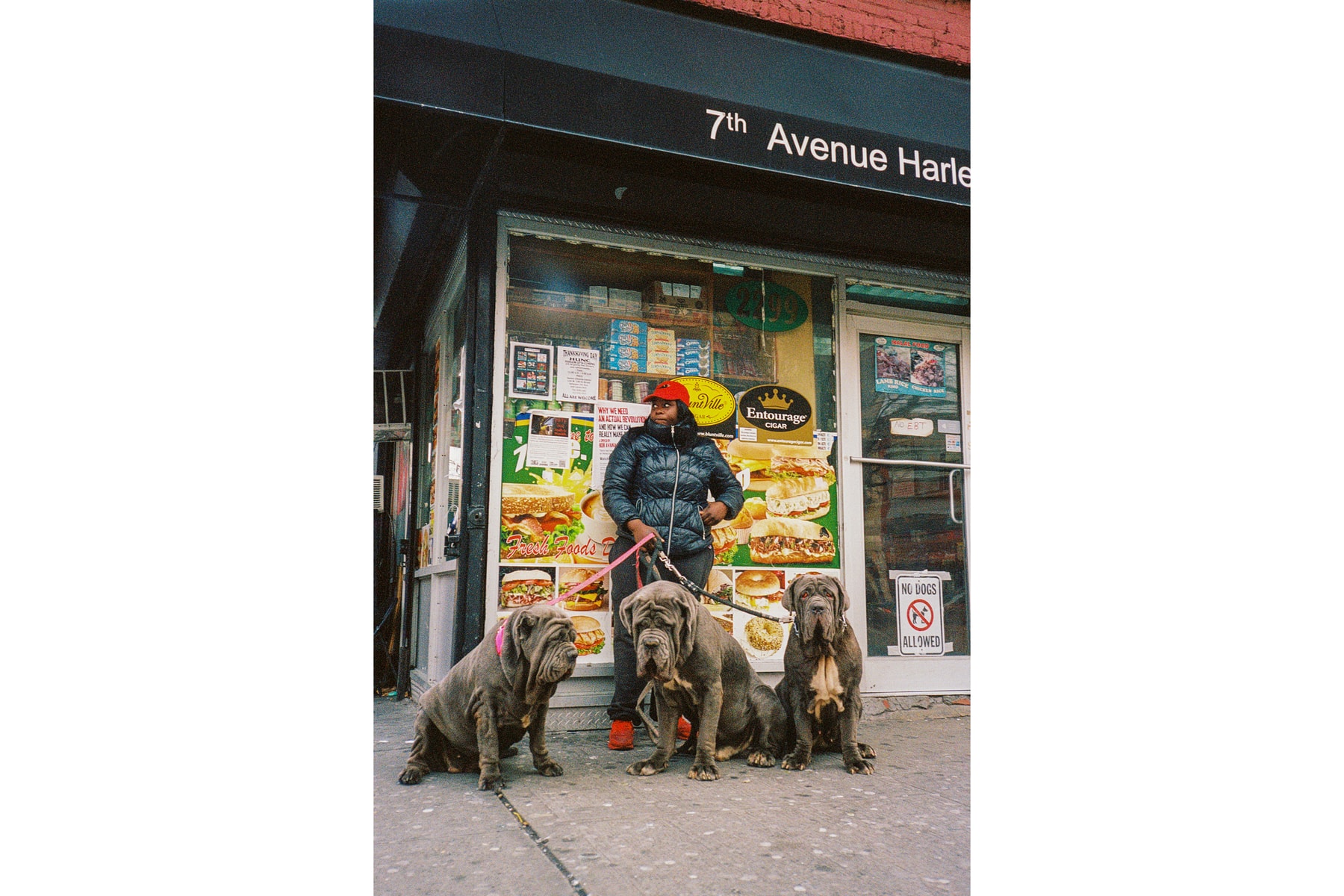
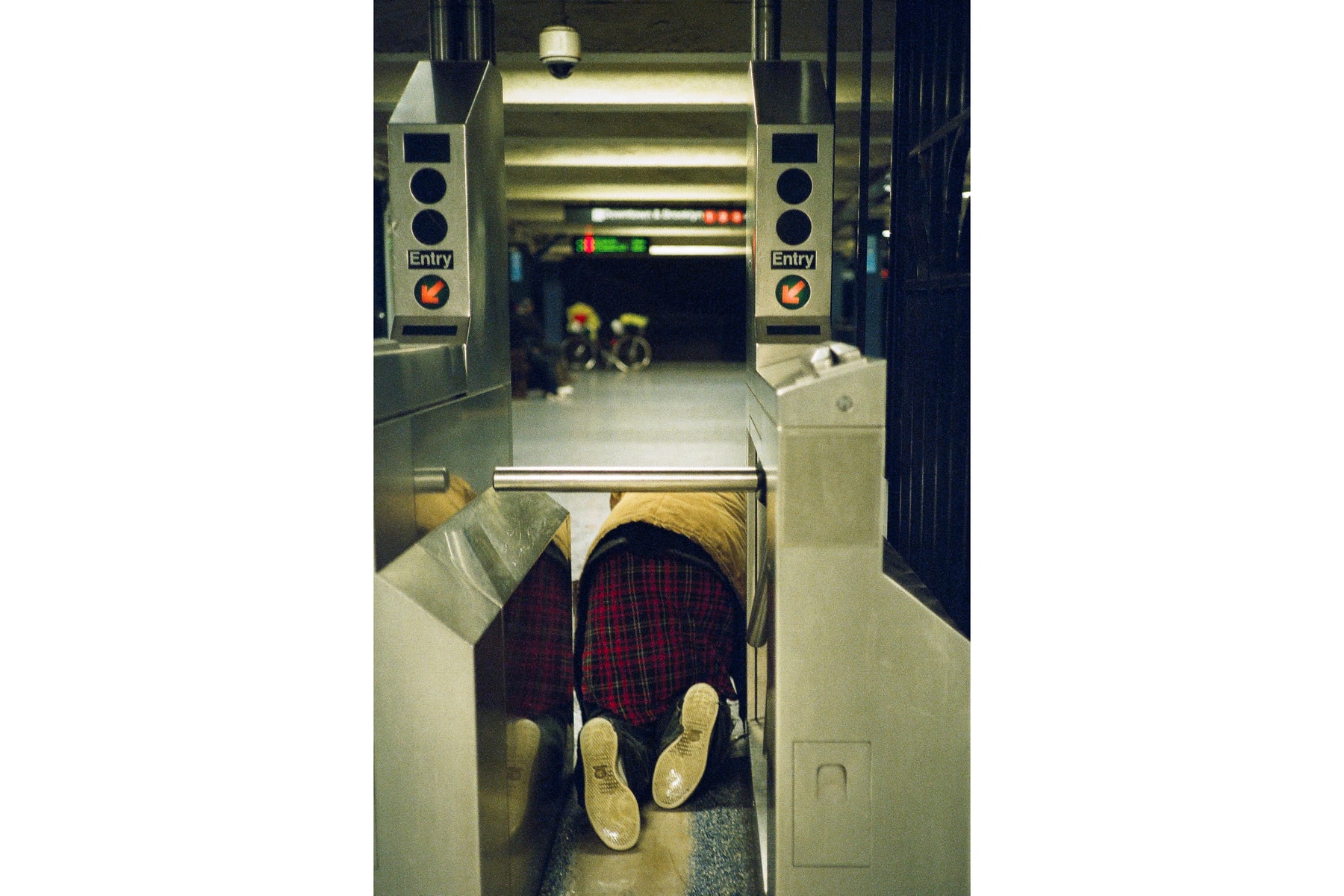
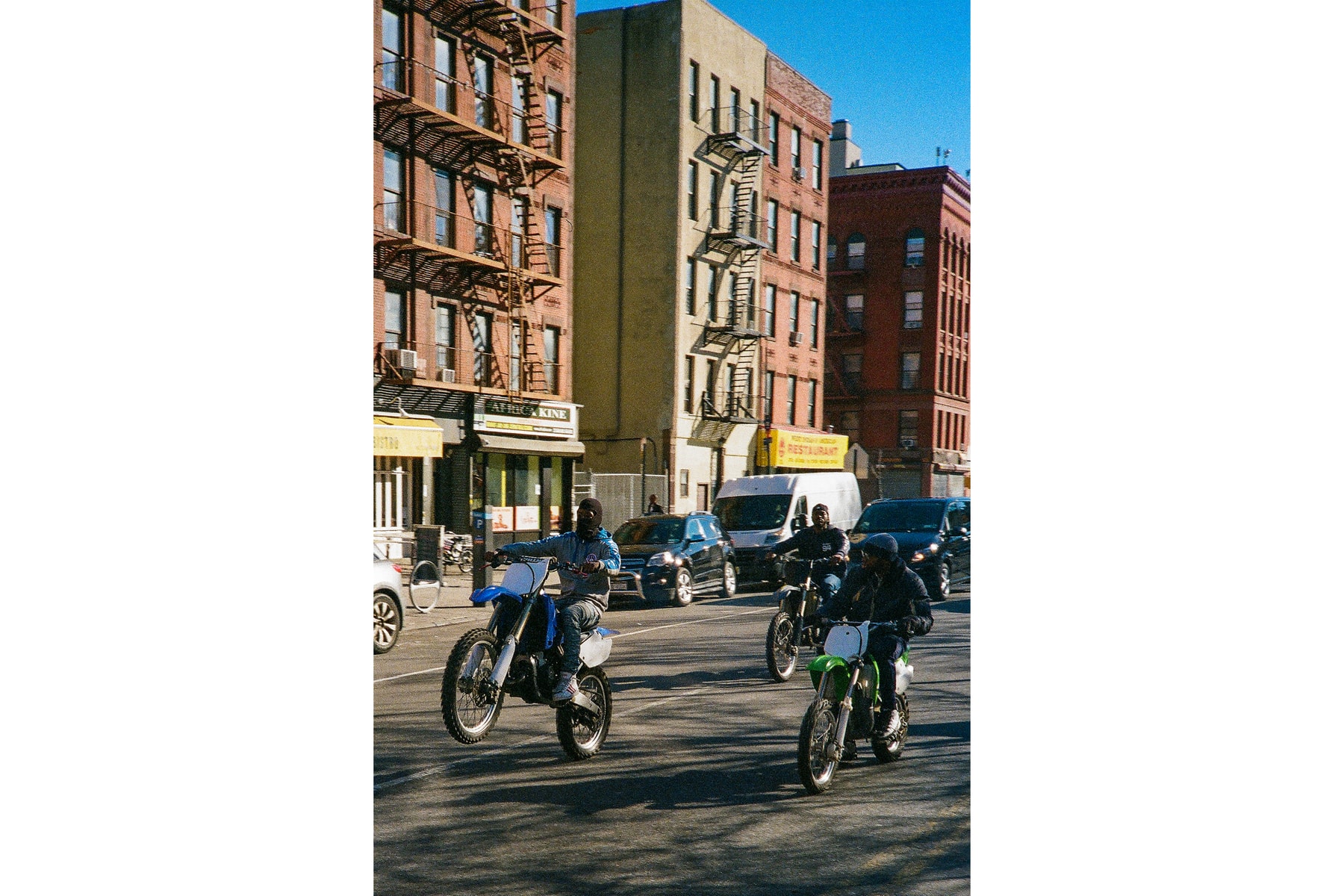
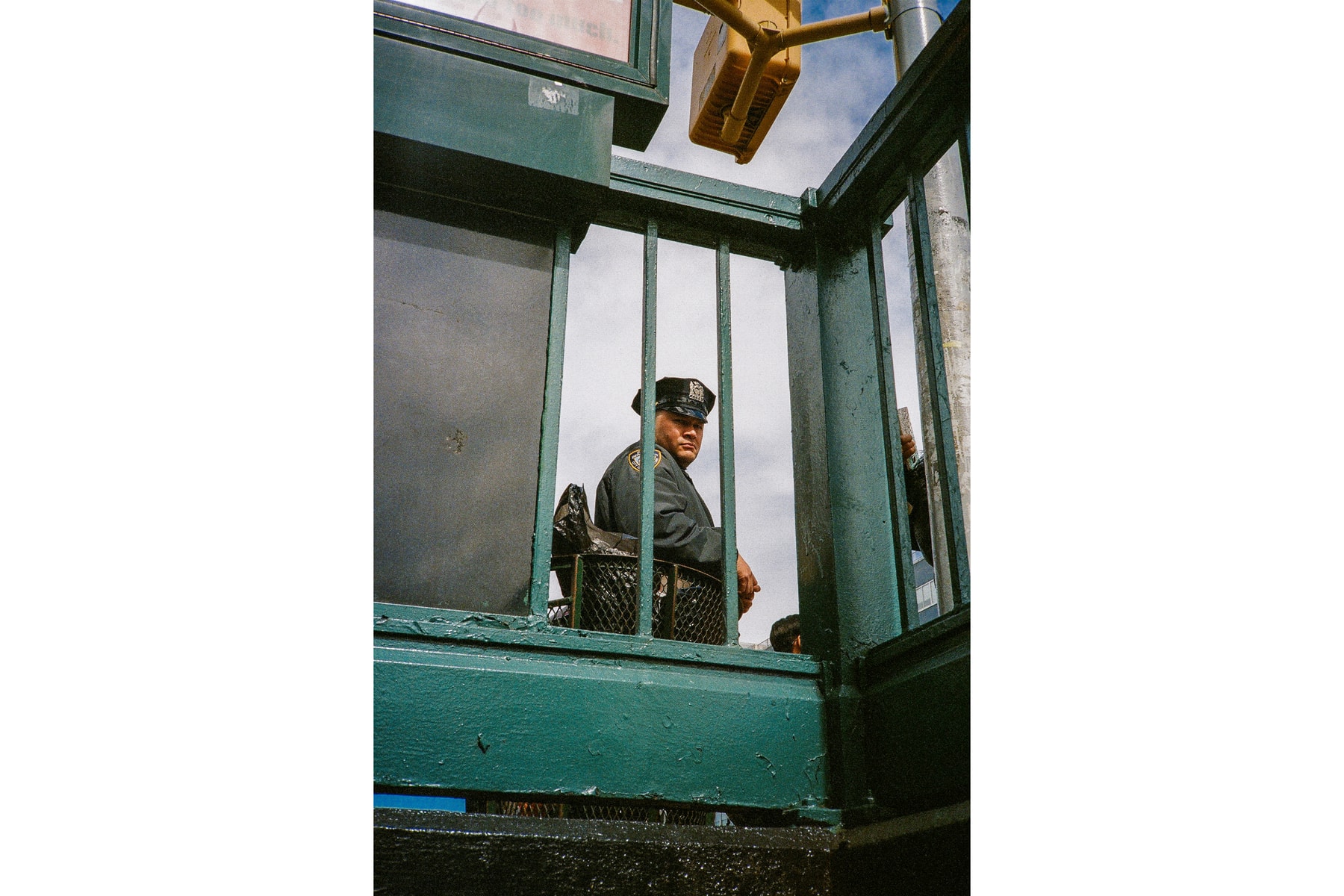
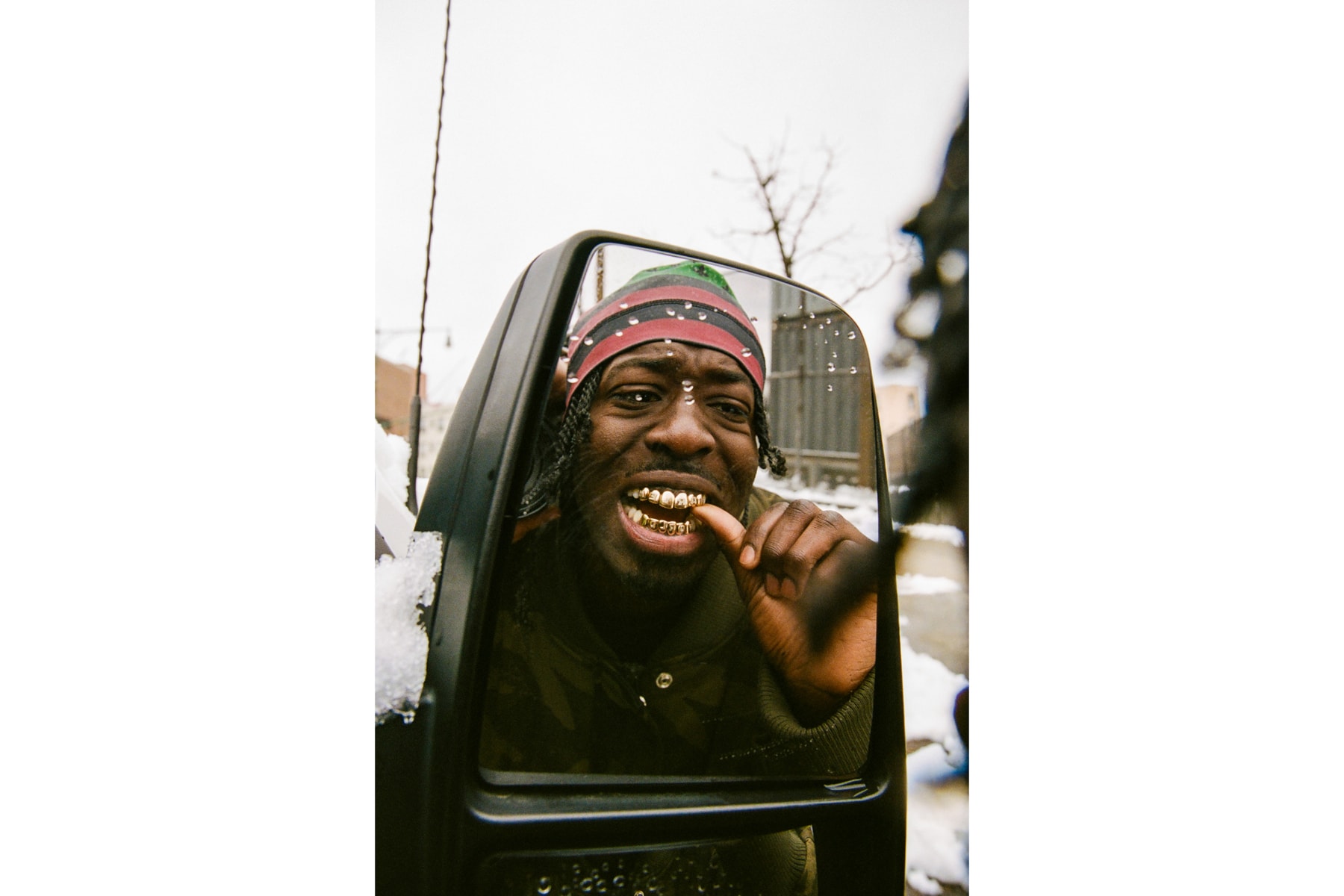
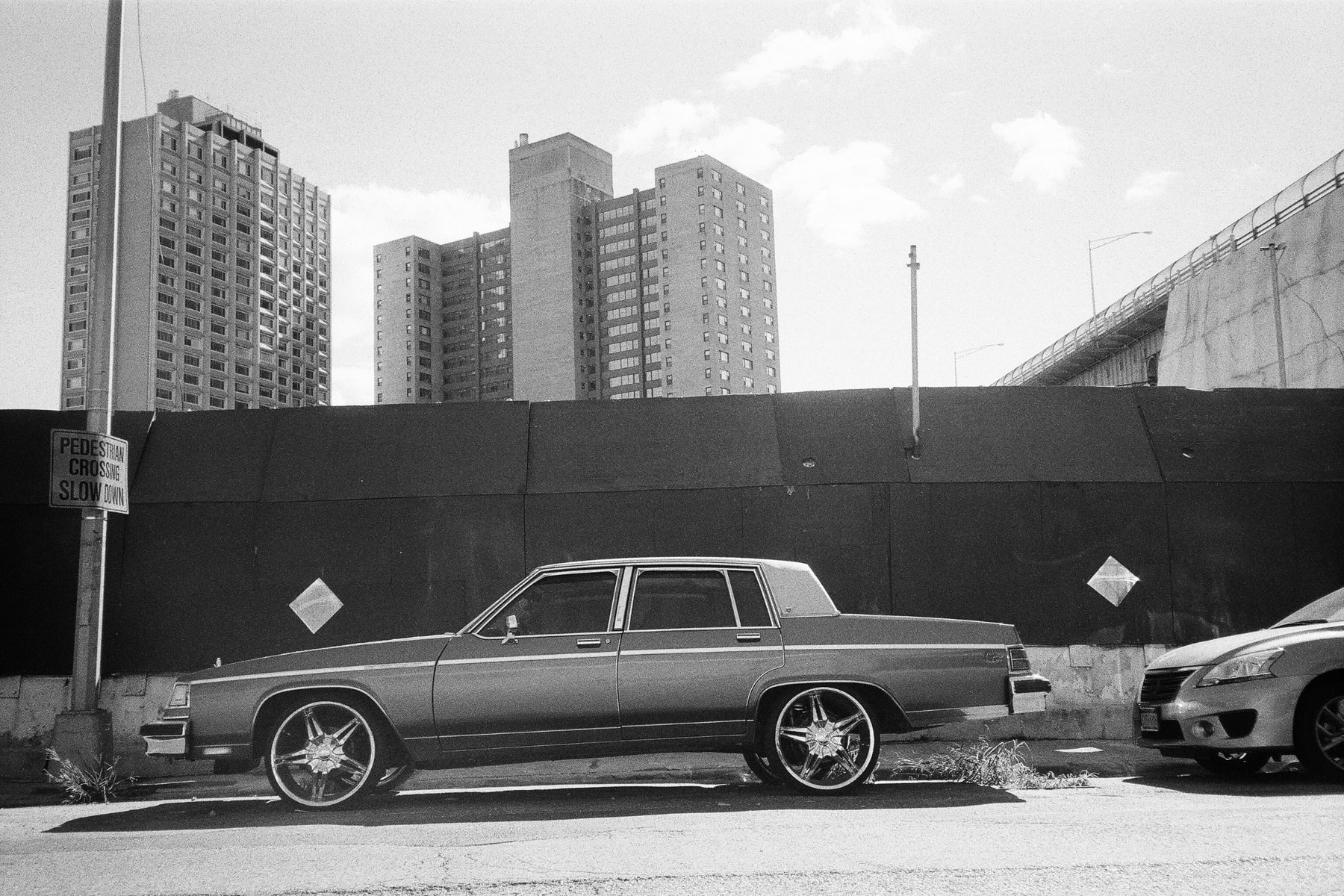
What sets Consenstein apart is how comfortable people seem around him. He credits communication over technique. “Photographers who are really talented are simply skilled at interaction. As a photographer, you have to be well-socialized and have intuition. You have to pick up what someone’s putting down and respond in a way that makes them feel comfortable, heard, and seen,” he says. That instinct carries into his street photography, where decisions are made before the camera comes up. “Because even though it looks effortless, there’s a lot happening at once.” Often, he says, the strongest image comes early. Everything after is variation.
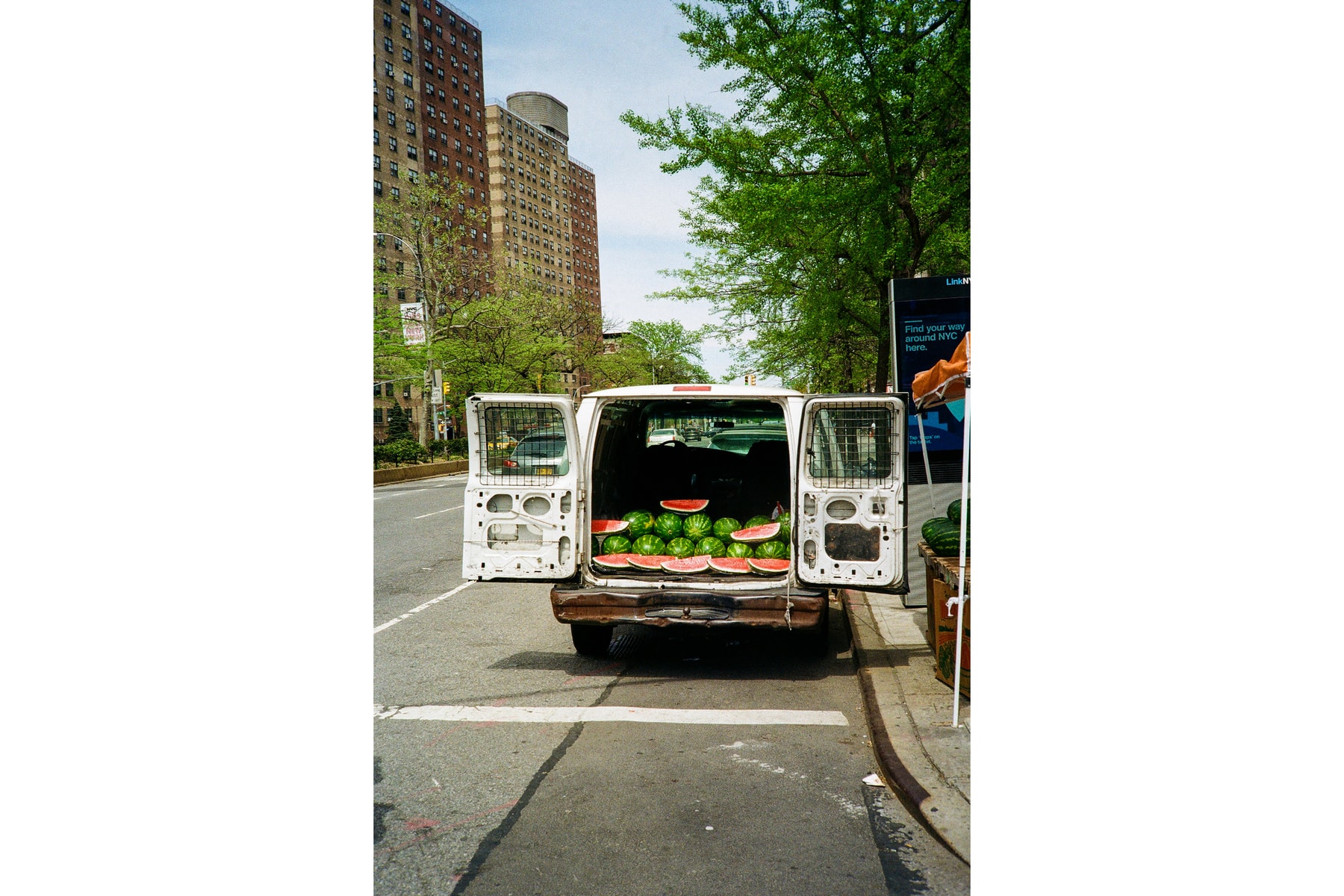
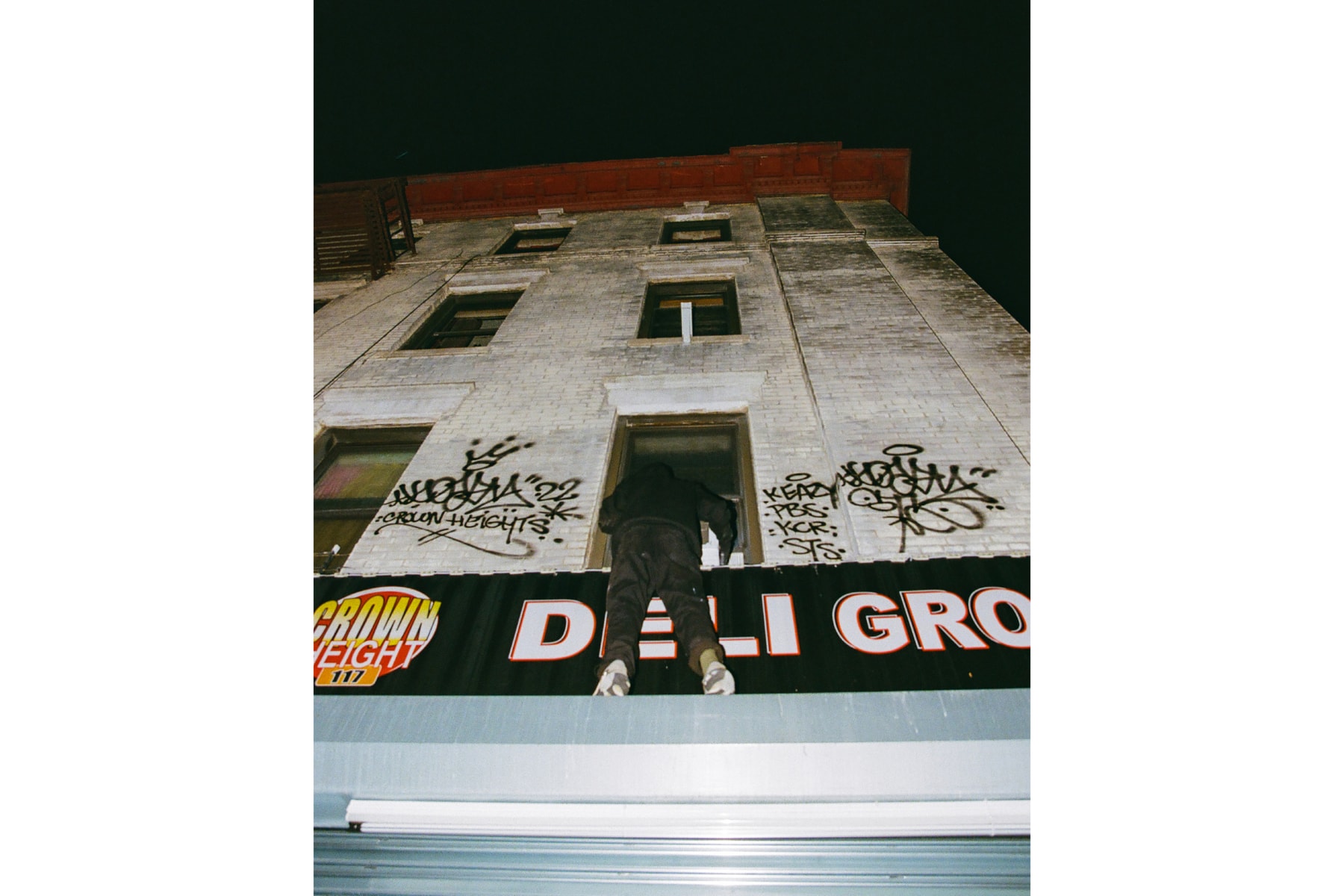
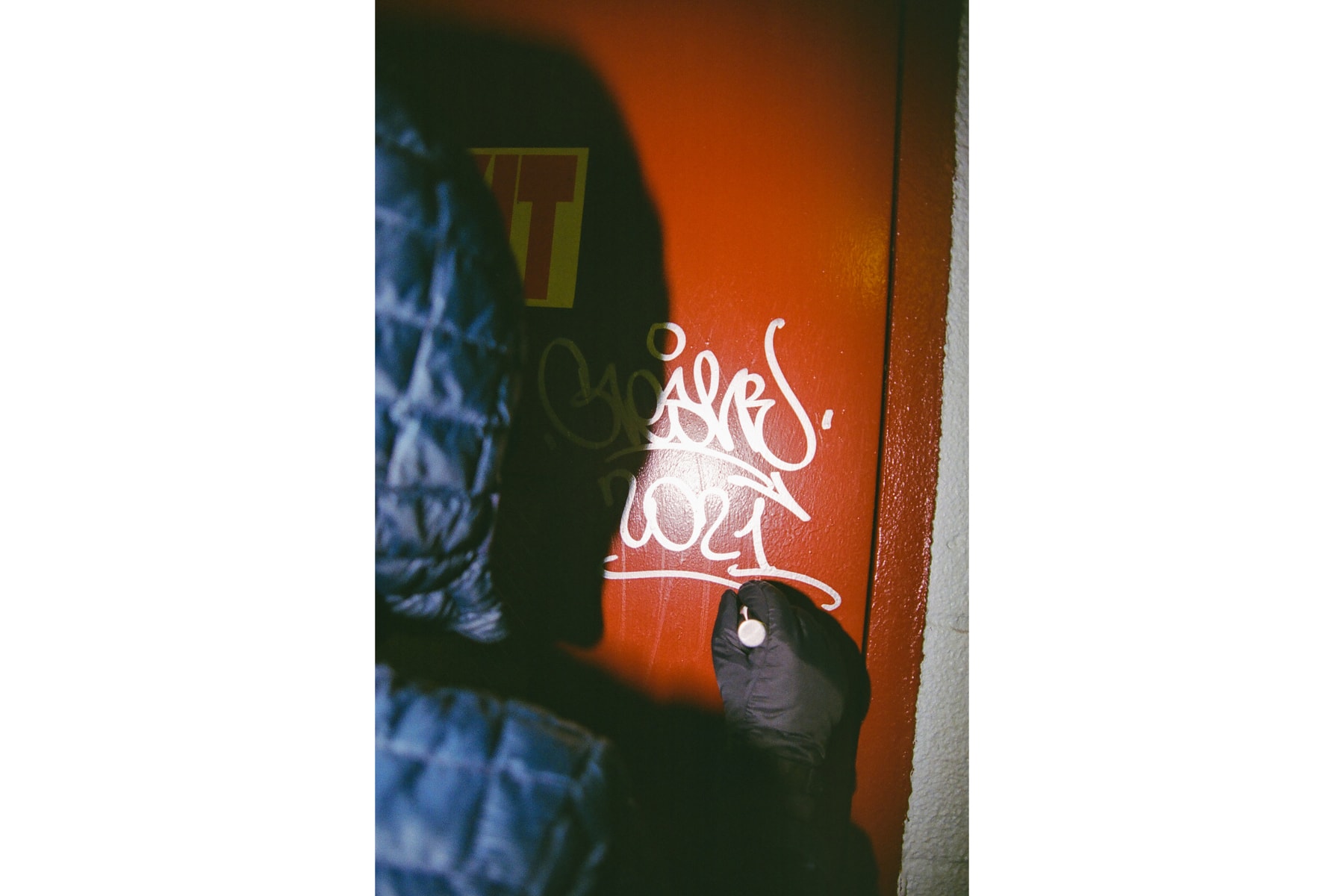
Despite years of photographing New York, the city still feels inexhaustible. “The second you step outside, you’re at the whim of the city. You’re forced to interact with things you’ve never encountered before, kind of relentlessly, all day, until you’re back in your own controlled environment,” he says. He contrasts that with places like LA, where movement is more controlled. Beyond the street, he stays inspired through research, reading and revisiting his own archive. “Now that I’ve been making photos so consistently for so many years, the work lets me reflect on my past life in a way that feels genuinely enriching – and it helps me see everything a bit more clearly.”
Certain moments shifted his trajectory. Photographing Virgil Abloh’s Met Gala afterparty stands out. Invited by BadBadNotGood, he documented what was meant to be a rehearsal. “Virgil posted the images, they premiered on i-D magazine, and I gained thousands and thousands of followers in just a few days.” Other milestones followed, from shooting Coachella to studio sessions with Q-Tip. But the biggest mindset shift came when he was hired to direct a brand refresh for a footwear company. “If I’m talking about what really changed the way I shoot – and the way I look at the industry, and the way I view my career long-term – it was when a client picked me up to be the director of their brand refresh for a footwear company. Nicole Underwood hired me, and it was my first bid I ever won. It was the first big set of campaigns I had ever directed.”
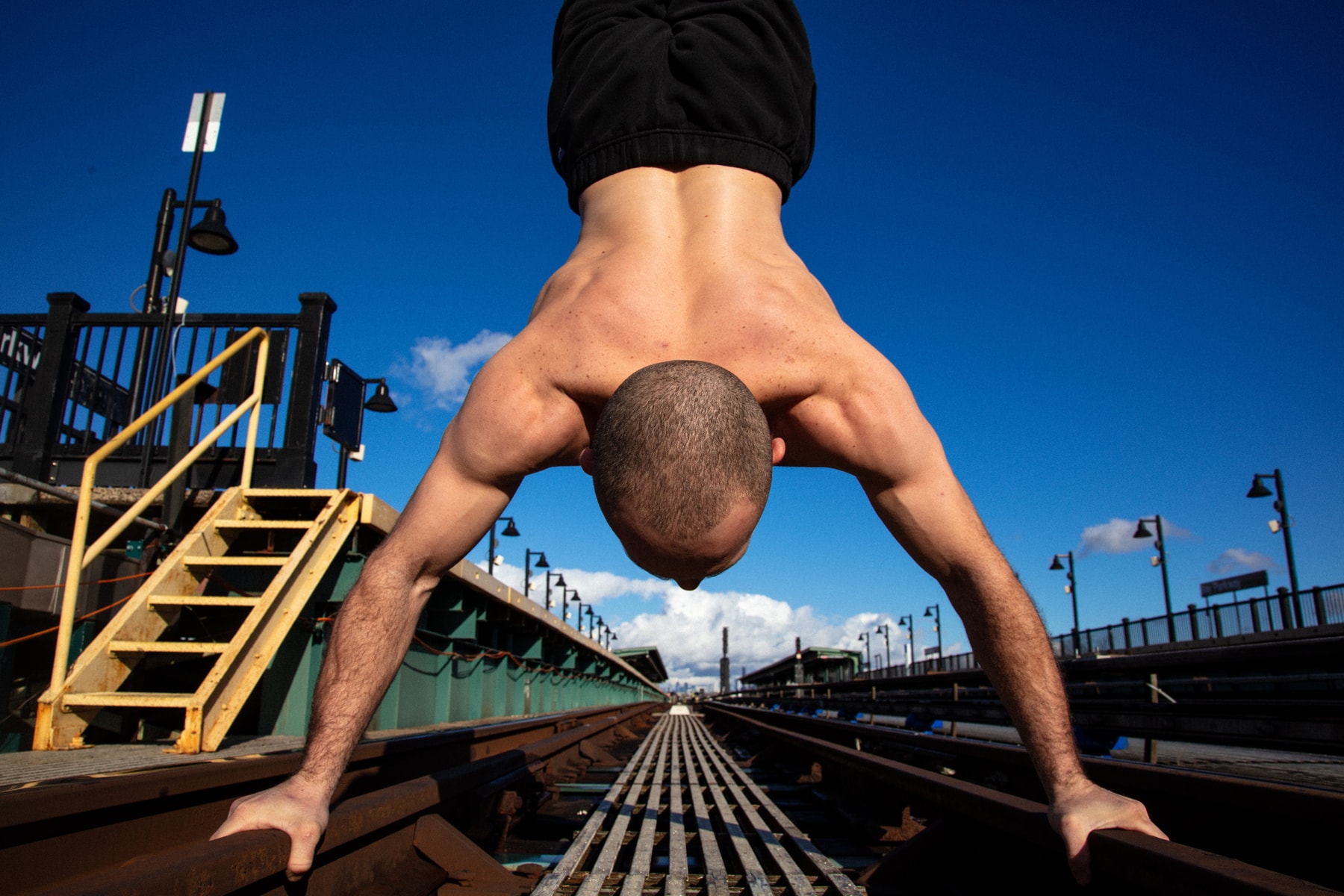
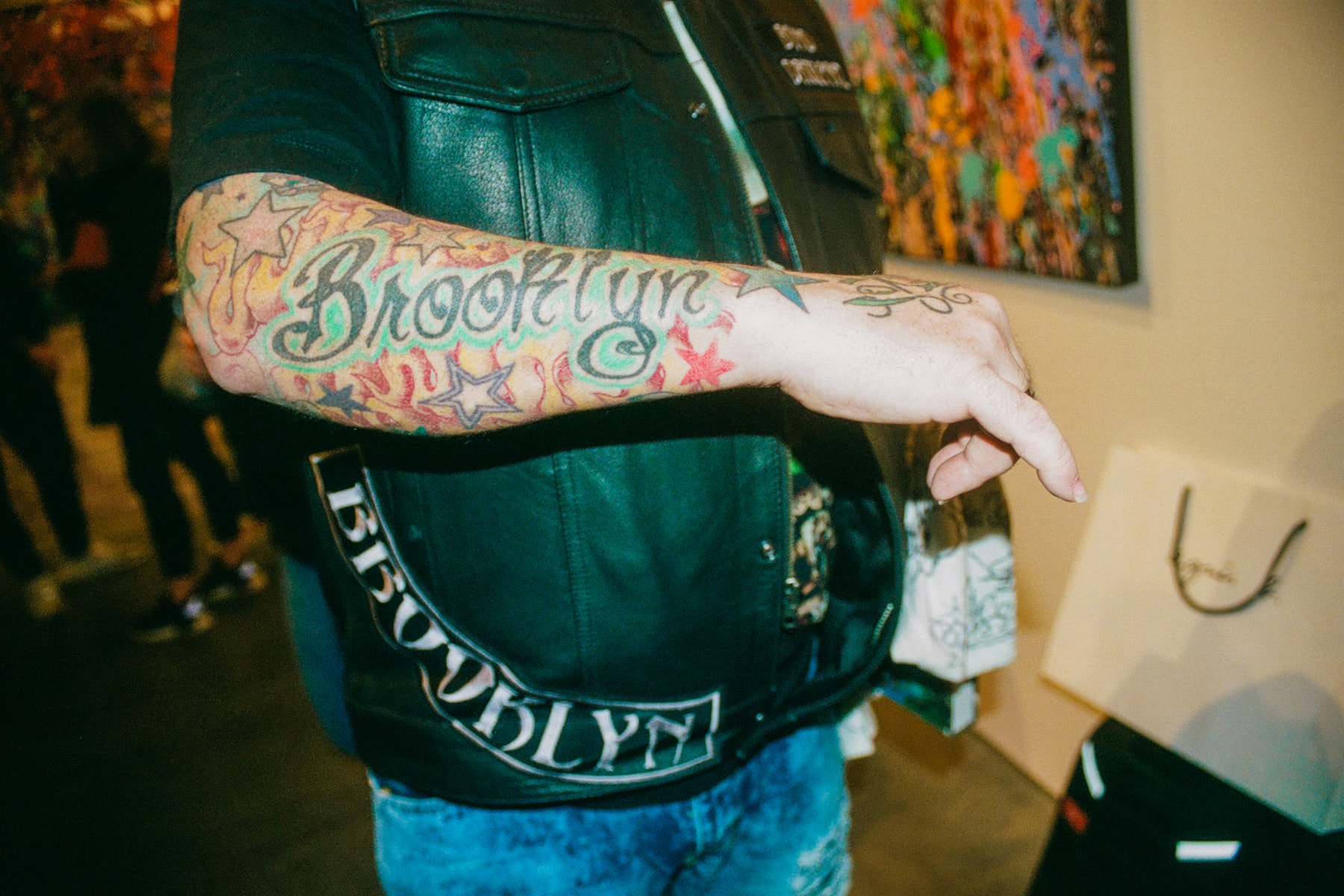
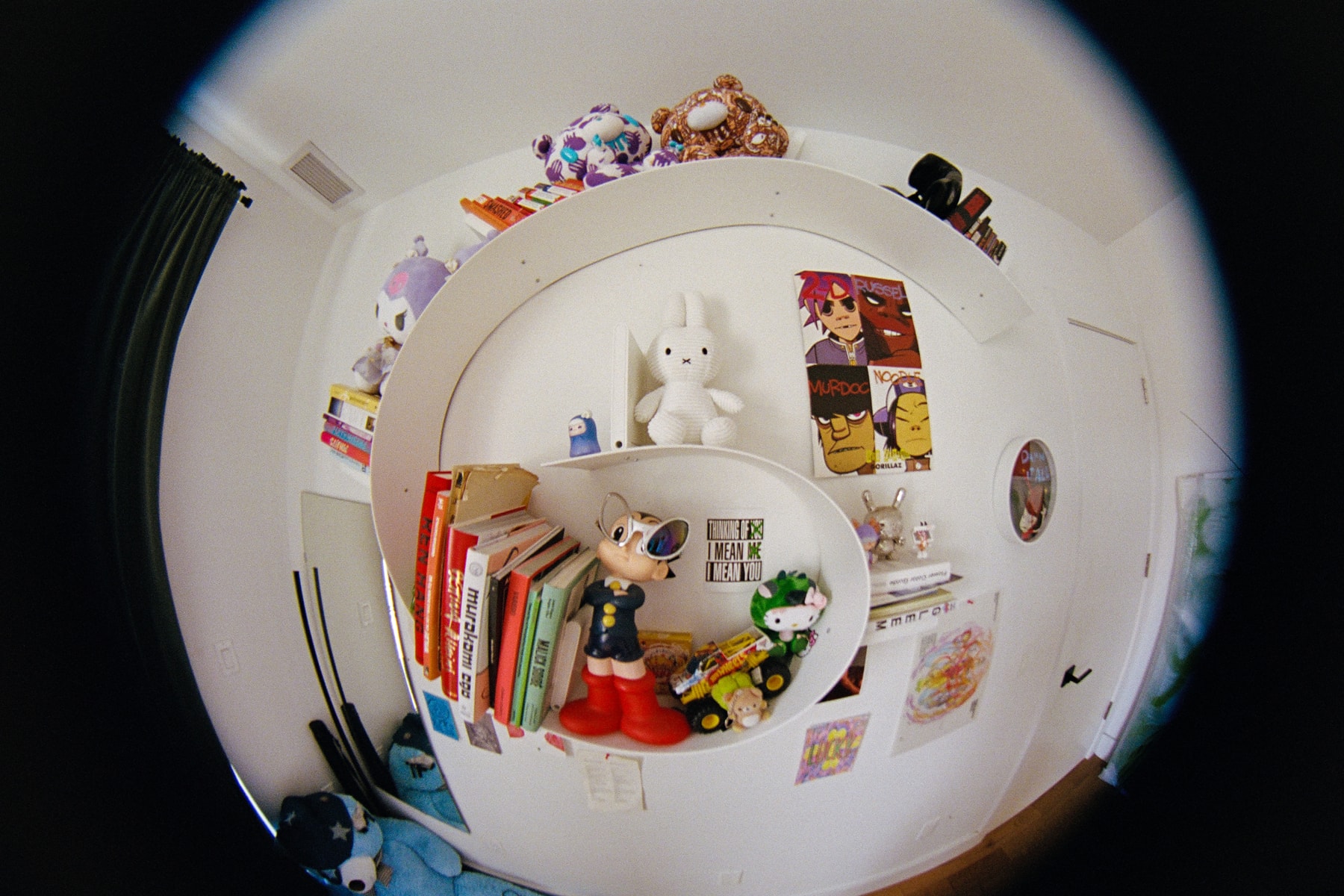
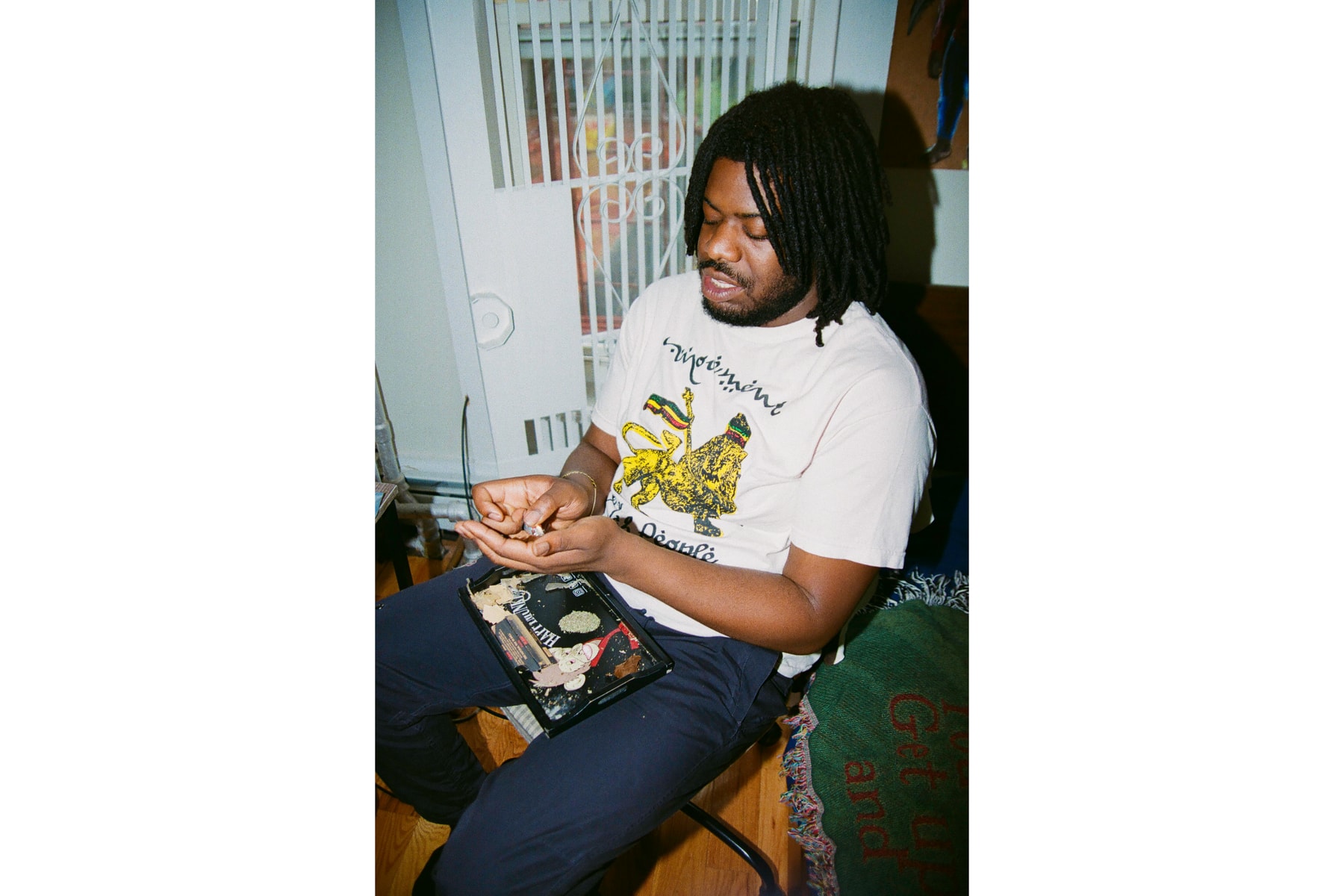
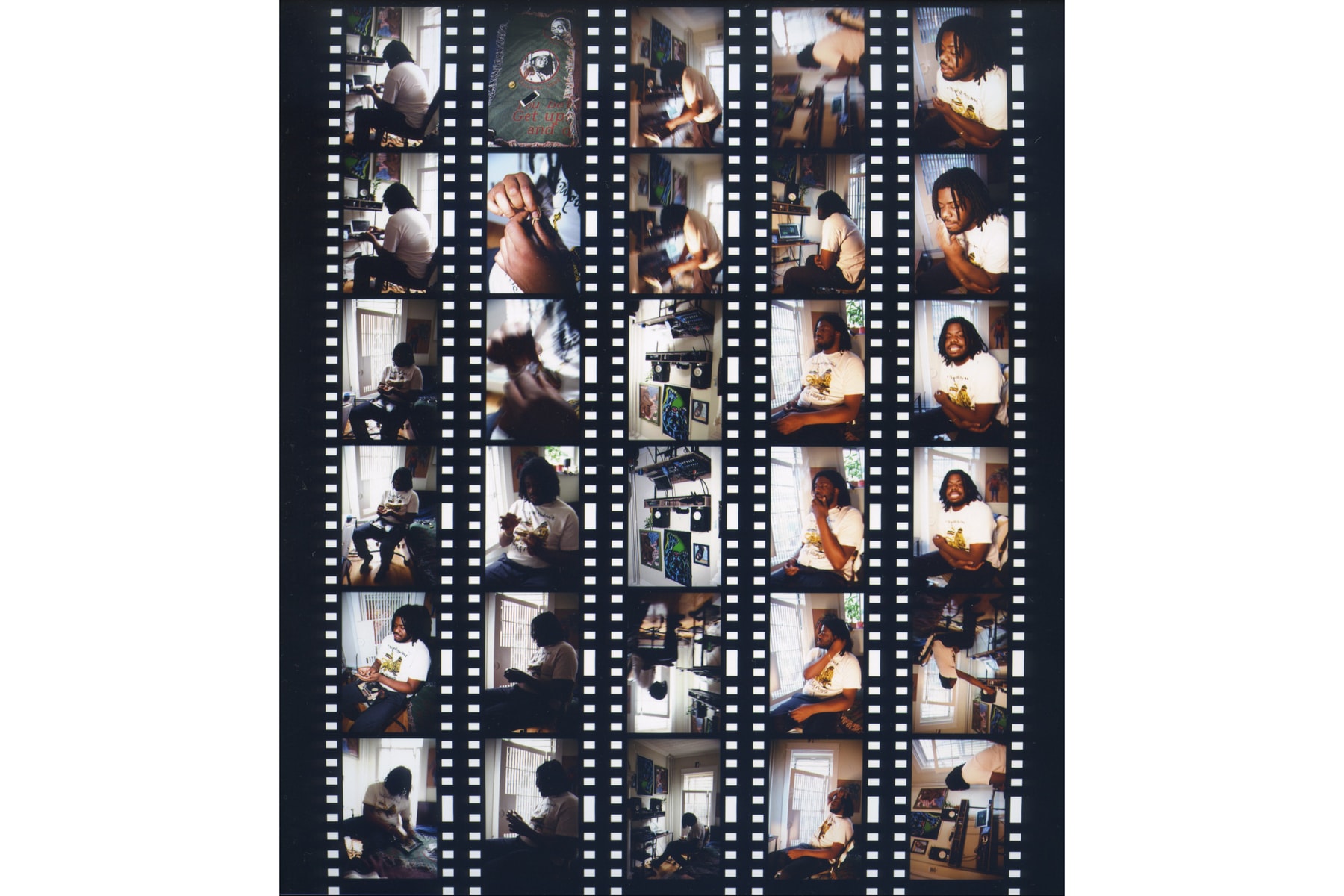
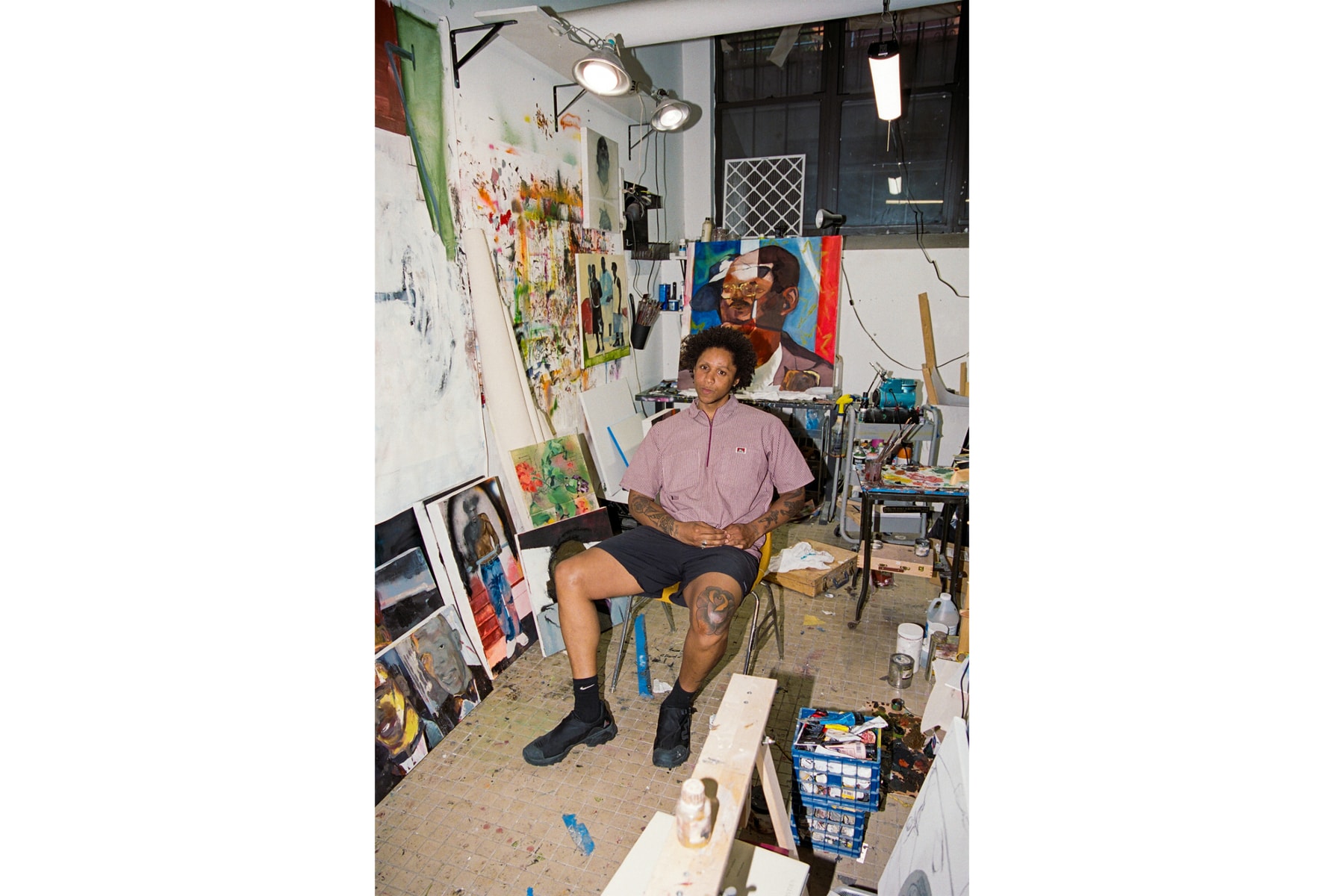
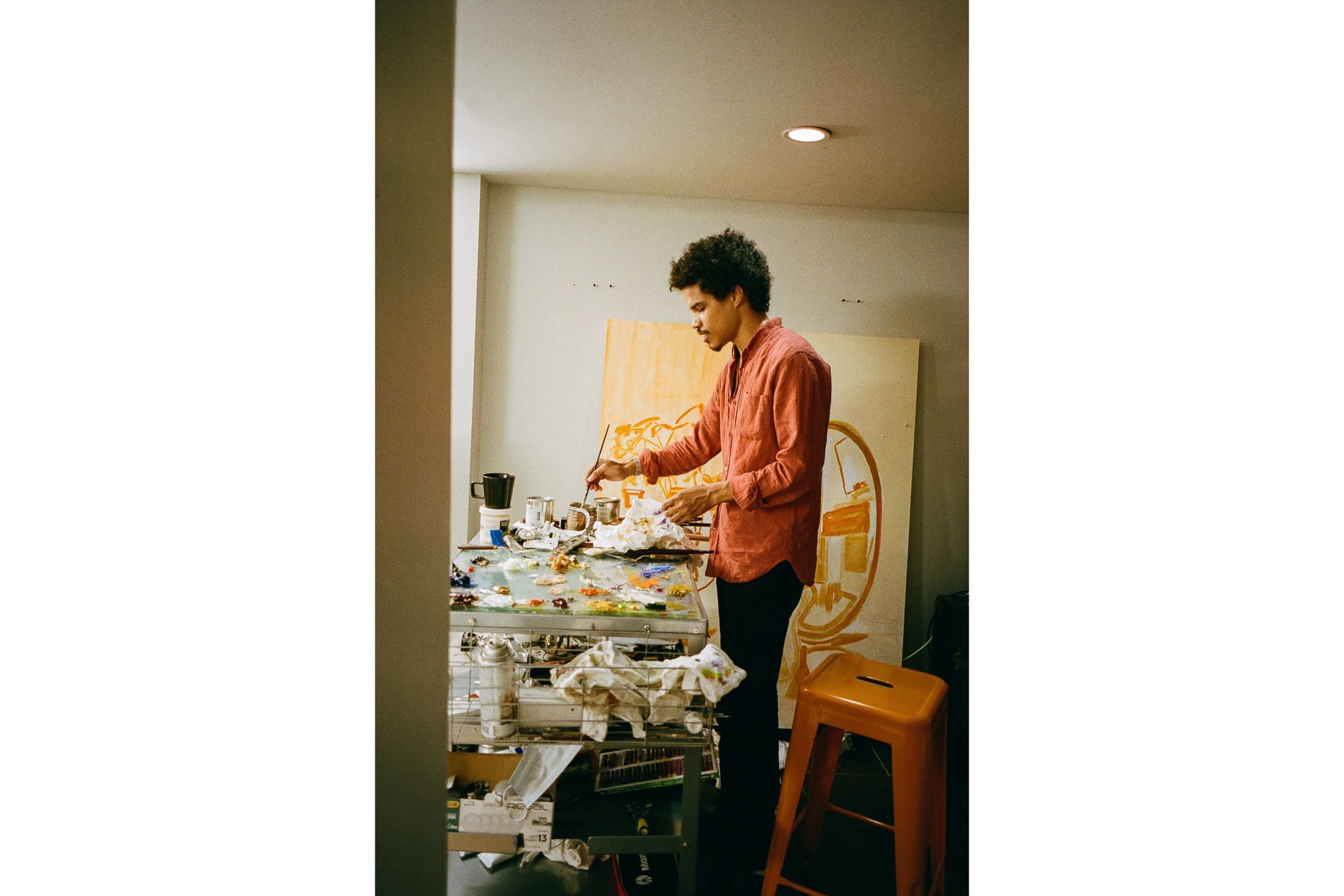

“I have such a genuine connection to the streets of New York. I can’t imagine being anywhere else.”
Now, he’s entering a new phase. He’s directing larger narrative projects and TV commercials while preparing a book of street photography from 2014 to 2019, drawn from tens of thousands of unpublished images. “I have tens of thousands of images that have never seen the light of day, and I’m hoping this book can finally show people that. That feels like it’ll be really big for me and for my body of work in general – just showing the breadth of what I’ve been doing,” he says.
Through it all, New York remains central. Born and raised here, Consenstein’s parents still live in the apartment he grew up in. His twin brother is nearby. He even has a tattoo of his childhood building across his ribs. “I have memories on almost every block. I’ll go somewhere and feel nostalgia instantly, memories just pop up constantly. I have such a genuine connection to the streets of New York. I can’t imagine being anywhere else.”
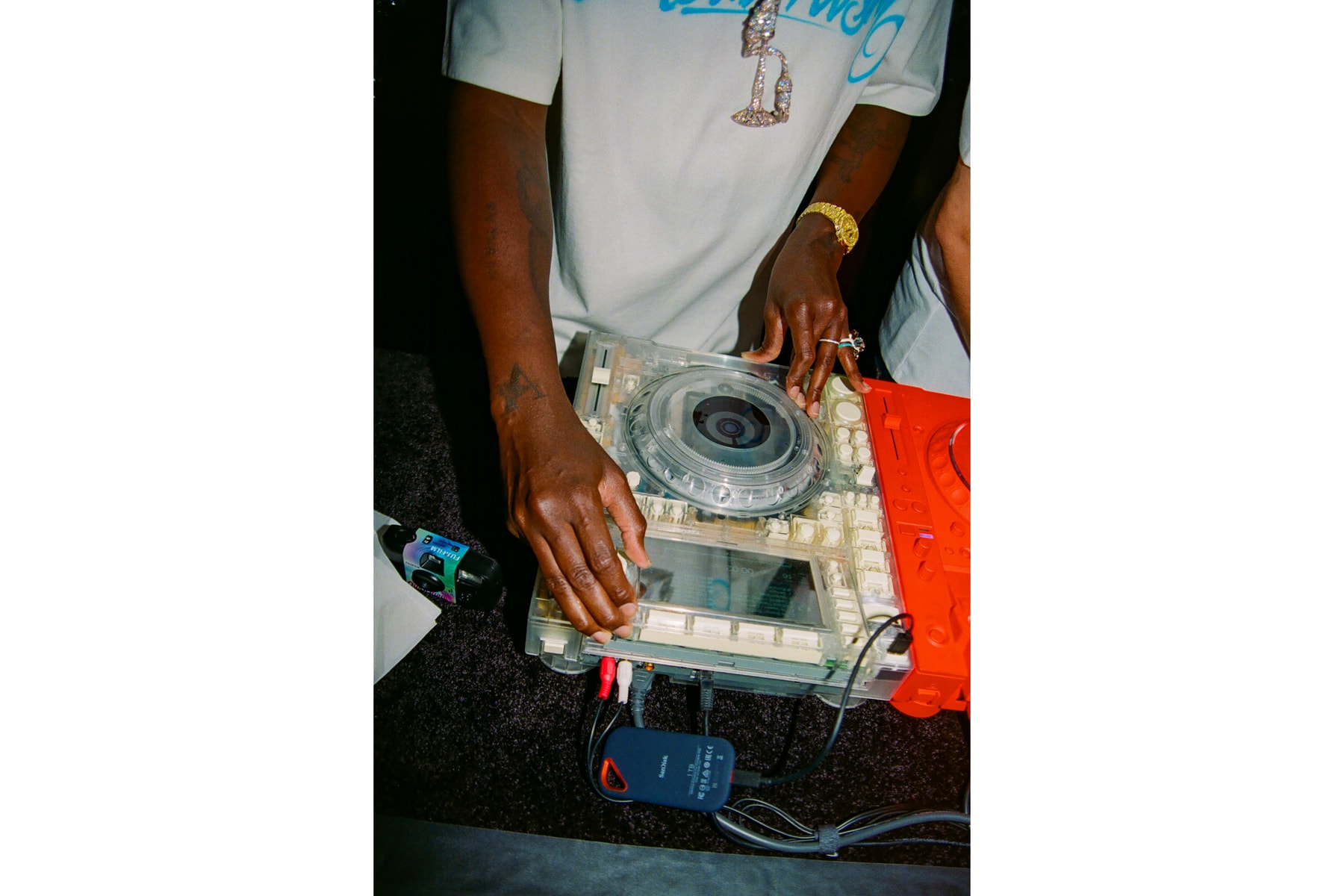
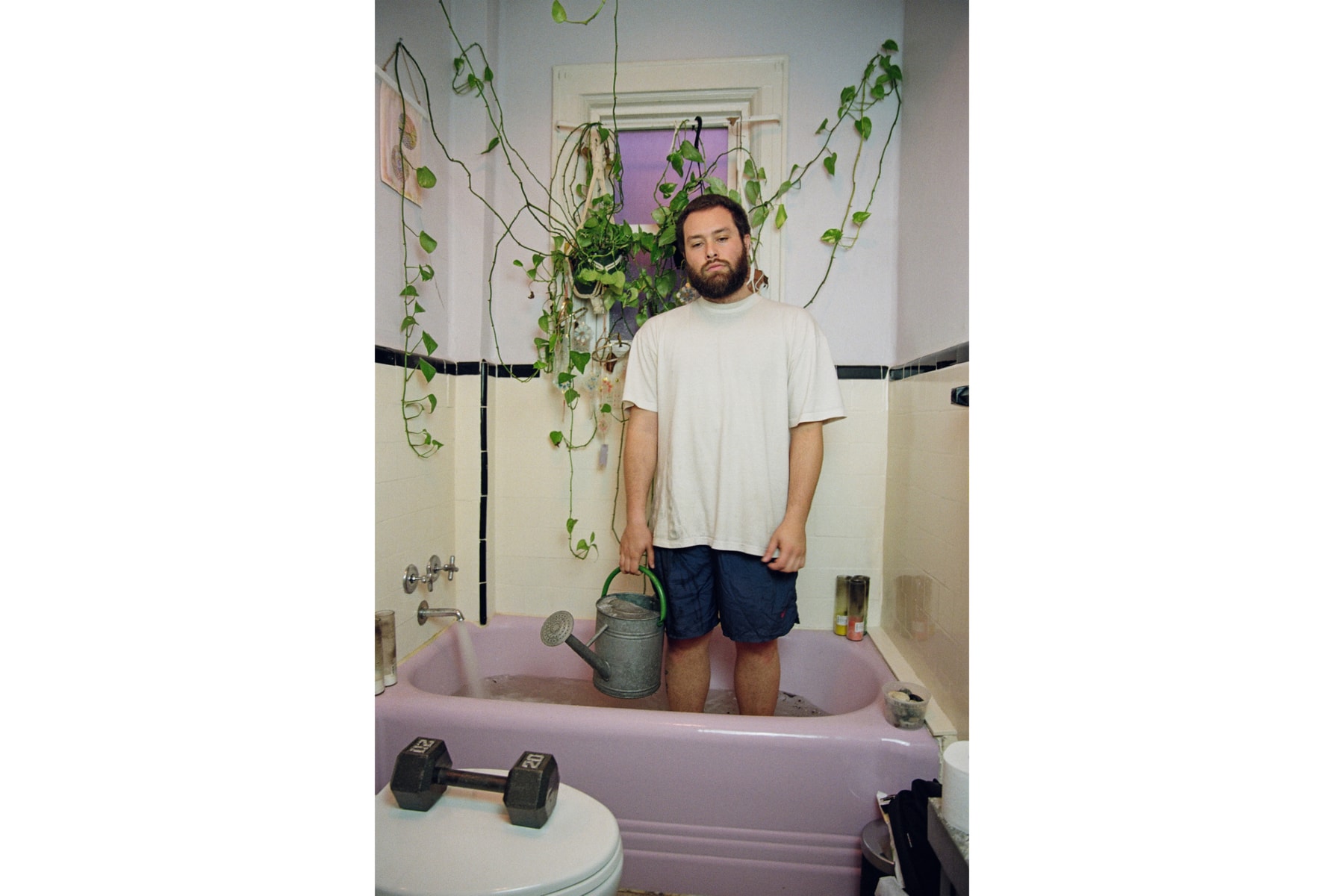
All photos courtesy of Jacob Consenstein for Hypeart.


