










Beyond exploration, Forza Horizon has always been about fun, freedom, beauty, community and the feeling of being behind the wheel somewhere unforgettable. With Forza Horizon 6 set to land in Japan, that idea expands into something deeper with “The Art of Driving,” a series that positions driving as both a physical and creative journey. The direction blends gaming, art and real-world storytelling, tapping into Japan’s landscapes, traditions and subcultures to reframe what a racing game can achieve beyond the screen.
At the core of the series is a collaboration between Playground Games, Turn 10 Studios and nine independent Japanese artists, each tasked with creating bespoke in-game murals inspired by one of Japan’s eight regions. These works function as cultural anchors across the map, translating regional identity into bold, contemporary art. From rural textures to hyper-urban energy, each piece reflects a different facet of Japan. They’re also designed as discoverable murals players can stumble upon across the map, capture in a snap and log into their in-game adventure journal as part of the journey.
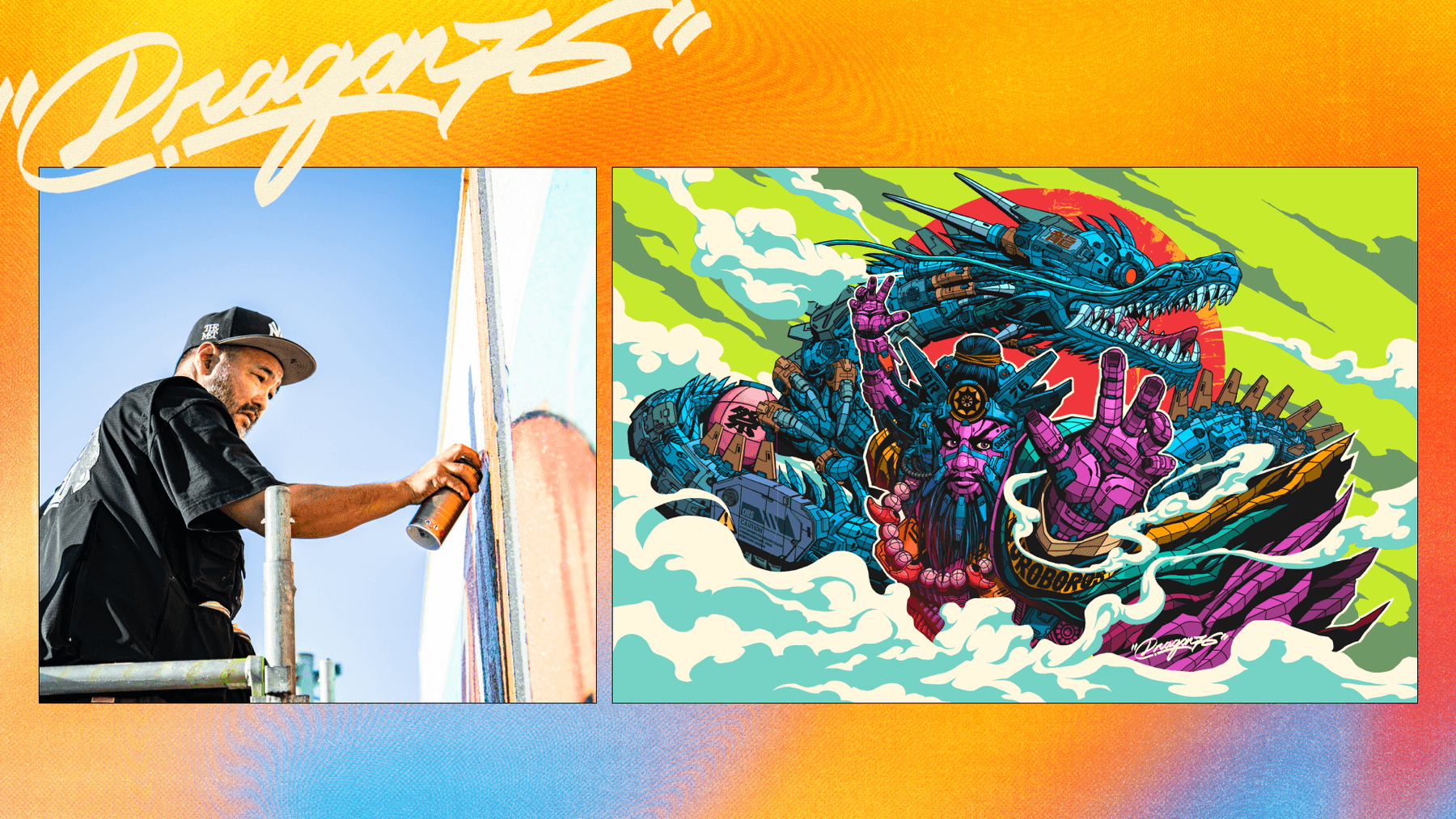
Leading the charge is Dragon76, a mural artist whose work blends graffiti, manga and ukiyo-e into explosive, high-energy compositions. For “The Art of Driving,” he channels the mythology and visual language of Tohoku—pulling from Nebuta Festival imagery and the legend of Susanoo—to create a cyberpunk-infused piece centered on duality and continuity. Alongside him, Tokyo-based illustrator Kazuhisa Uragami approaches the series through a digital lens, crafting a “noble outsider” character that merges maritime folklore with industrial design cues, balancing tradition and modernity in a single frame. Meanwhile, Kenji Iwasaki brings a contemporary ukiyo-e sensibility, combining historical references with anime-inspired color and composition to reinterpret regional identity for a global audience.


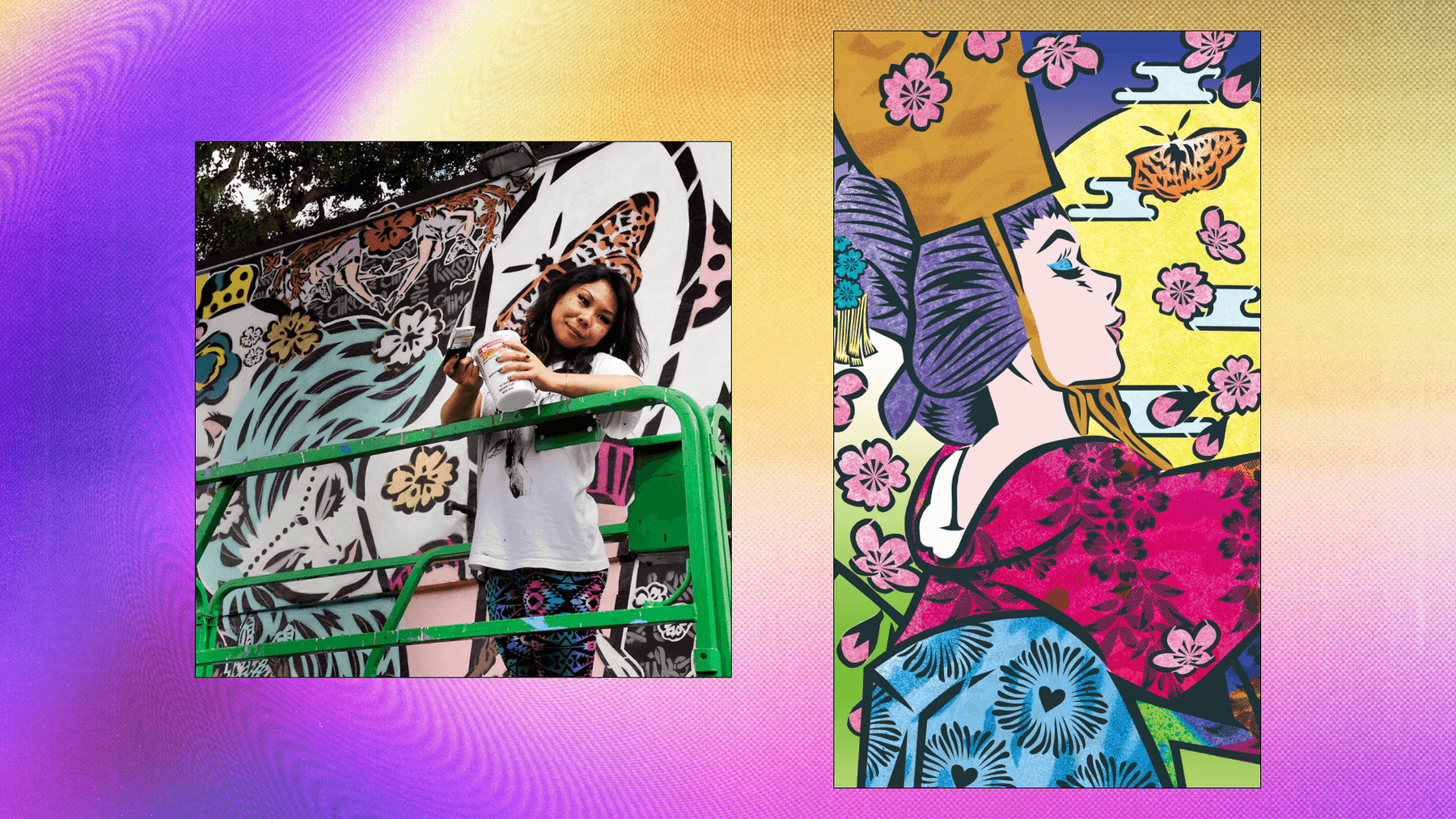
The project expands further through artists like Lady Aiko, whose background in street art and stencil work informs bold, layered compositions rooted in Tokyo’s cultural fabric, and Naoshi, whose signature sunae (sand art) technique introduces a softer, more whimsical visual language grounded in everyday life. Each artist operates within their own discipline whether muralism, digital illustration, or mixed media. Collectively, they build a cohesive visual narrative that mirrors the diversity of Japan itself. Their contributions transform the game world into a living gallery.
Building on that foundation, the series also brings in Okuyama Taiki, known for his precise, design-forward approach rooted in graphic and spatial composition. Taiki contributes a work that emphasizes structure and motion, translating the rhythm of driving into clean, dynamic visual forms. Illustrator Tatsuro Kiuchi, whose background in editorial and fine art is defined by richly textured, painterly scenes that capture the quiet nuance of Japan’s landscapes and the emotional pull of the open road.


Alongside them, Wakana Yamazaki introduces a more character-driven perspective, drawing from her experience in animation and visual storytelling to create expressive figures that humanize each region’s identity. Her work adds a narrative layer, turning environments into lived-in spaces rather than backdrops. Lastly, Inko Takita brings a playful yet culturally rooted sensibility through her distinctive illustrative style, weaving together traditional motifs with a contemporary softness that feels both nostalgic and fresh. Fine art, illustration and design are bridged together, while reinforcing the idea that each journey is shaped as much by artistic interpretation as it is by the road itself.


Beyond the artists, “The Art of Driving” is also shaped by a network of contributors who bring authenticity and local insight to the experience. From Nebuta float artist Ryuho Tatsuta and ice sculptor Yukiyoshi Iwakawa, to automotive experts like Yutaka Nara and engine builders at Koshikubi Engineering, each figure adds depth to the story being told. Cultural stewards, including museum director Sotaro Takahashi and local historian Mayumi Nakamura, further ground the project in real-world narratives, while figures like Larry Chen serve as host and guide to bridge global car culture with regional discovery.
Together, these creators and collaborators make “The Art of Driving” an exploration of motion, memory and meaning. Every artist and contributor plays a role in shaping a world that invites fans to actually slow down, look closer and connect beyond the road.