








The Story Behind Forza Horizon 6's 'The Art of Driving' Starts With Host, Larry Chen
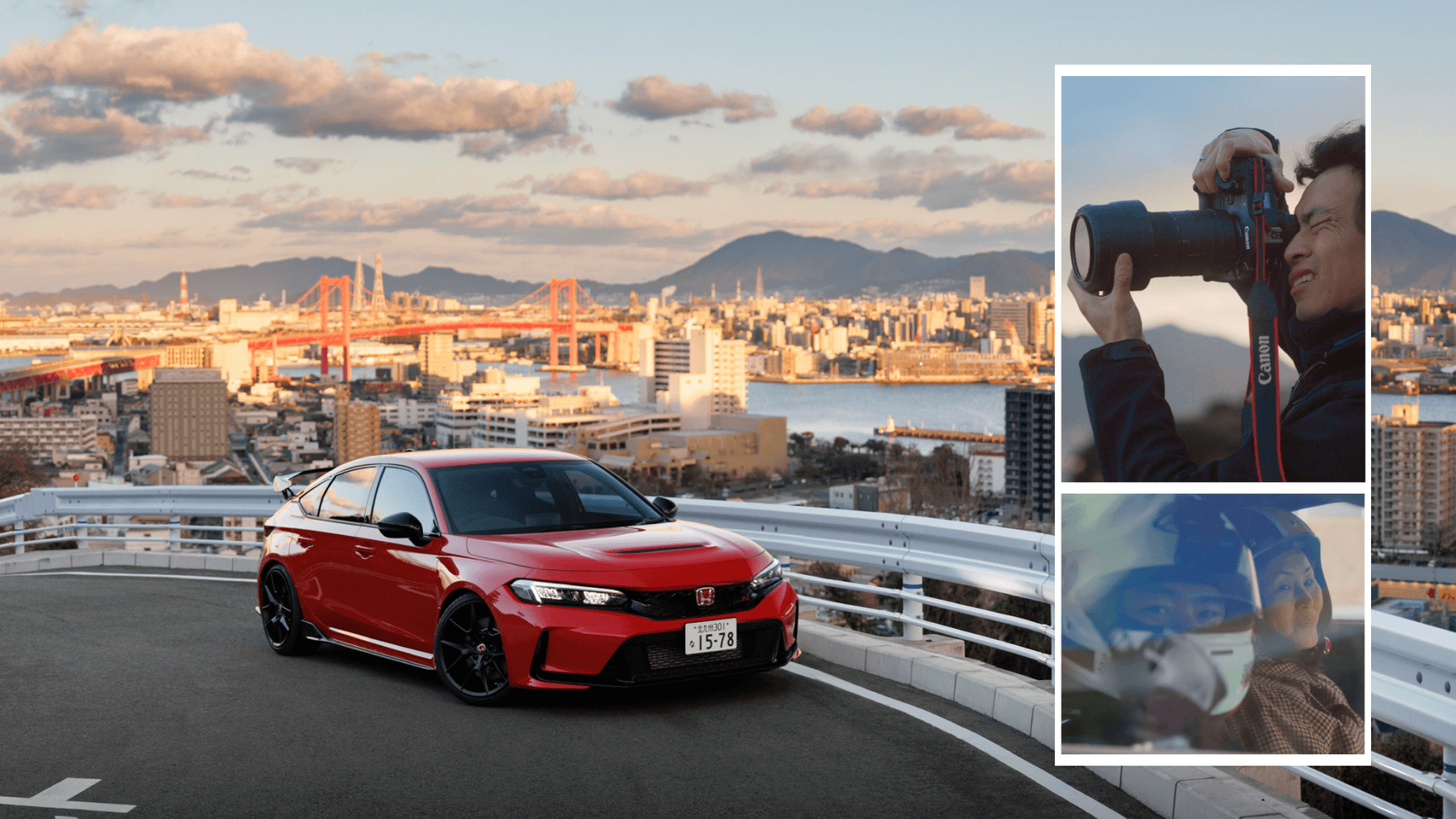
As Forza Horizon 6 heads to Japan, the franchise returns again with its signature immersive driving experiences across open-worlds where car culture intersects with art, place and storytelling. Following the reveal of nine artists commissioned to create in-game works, the spotlight now narrows to three of them. Guiding that journey is Larry Chen, who steps in as host of The Art of Driving, a companion video series that brings the world of the game into sharper, more human focus.
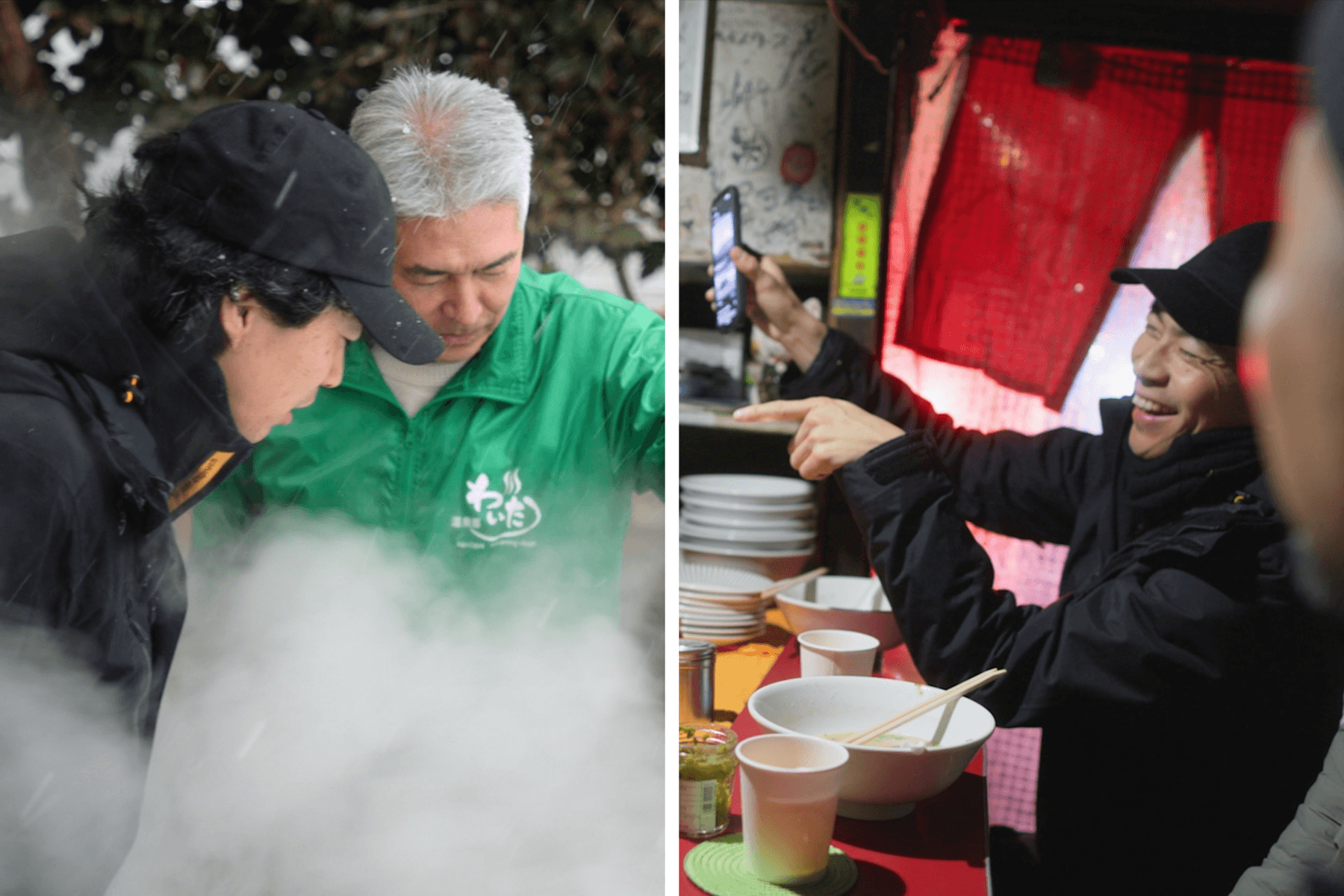
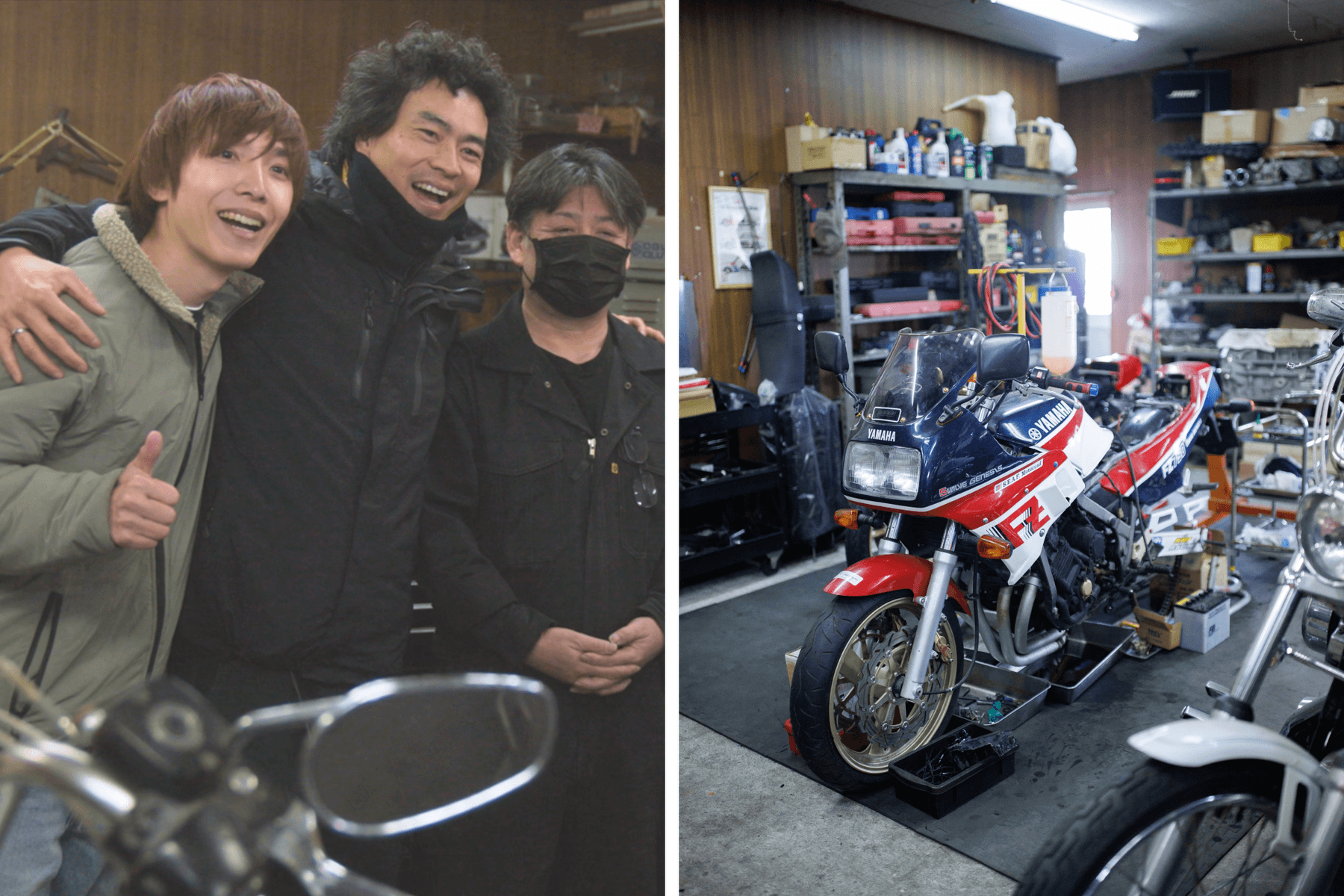
Known for documenting global car culture through his lens as a photographer, Chen takes on a more active role, traveling across Japan through regions like Tohoku, Kyushu and Kanto while connecting with artists Dragon76, Kazuhisa Uragami and Inko Takita. Through these conversations, he explores how each artist interprets their region and how those perspectives shape the game’s environments, from visual motifs to cultural references embedded across the map.
Chen also acts as the bridge between the real world and the in-game experience. By immersing himself in the regions, the art and the people behind the work, he helps unpack why Japan’s culture and creative identity are so essential to Forza Horizon 6. In our interview with Chen, he shares what he learned along the way and how the series changes the way fans will see—and experience—the game.
From a photographer’s point of view, what makes Japan such a compelling setting for Forza Horizon 6?
Japan, especially in this day and age, has had an undeniable impact on car culture as a whole. In recent years, it’s also become a major destination for car tourism, with an incredible amount of organic car content coming out of the country. It feels almost whimsical, like a true playground for cars, and that’s what makes it the perfect setting for Forza Horizon 6.
You’re known for capturing car culture through a lens—how did stepping into a host role for this project change the way you tell stories?
Since I picked up a camera 22 years ago, I’ve always been telling stories through my lens, showing people how I see events, cars, builders, races and those authentic car culture moments. But there’s a limitation to how much I can convey through still photography alone. Stepping in front of the camera has opened up new doors. It’s allowed me to tell more layered, authentic car culture stories to a wider audience, and to show the process behind the work—how I create images and build those connections. It’s really just a different way of doing what I’ve been doing for the past 22 years.
As someone deeply rooted in JDM culture, how did traveling across Japan with these artists reshape your understanding of the scene?
Spending time with the three artists I was with really opened my eyes to different facets of Japanese culture that I hadn’t experienced before. Experiencing it alongside someone who’s fluent in the language also made a huge difference, because their understanding helped me better immerse myself in the culture. I’ve been going to Japan since 2006, but my focus was always on car culture. I never really took the time to slow down and appreciate everything else—the food, the art, the music, all of it. This project gave me that opportunity for the first time, and it completely reshaped how I see the scene.
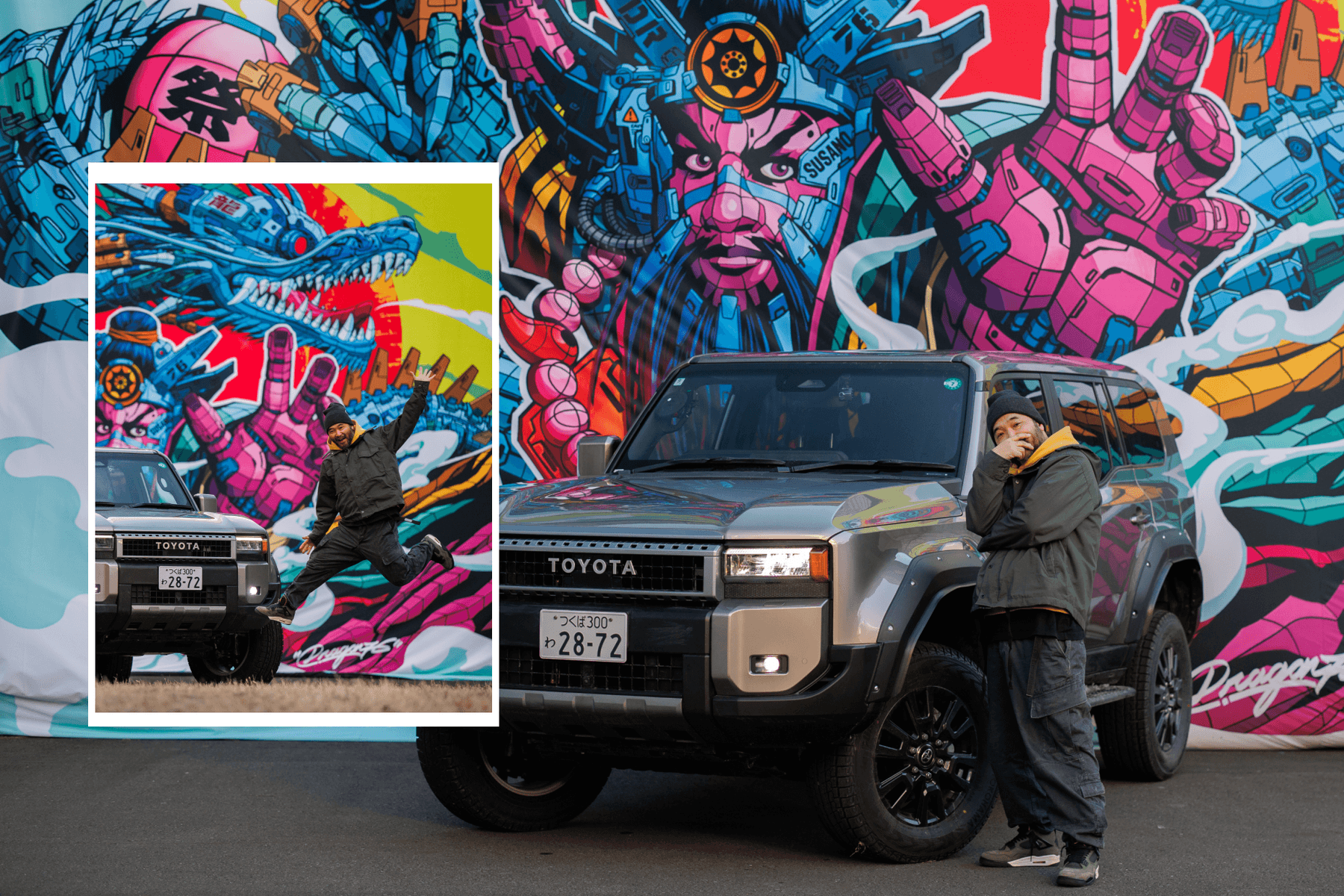
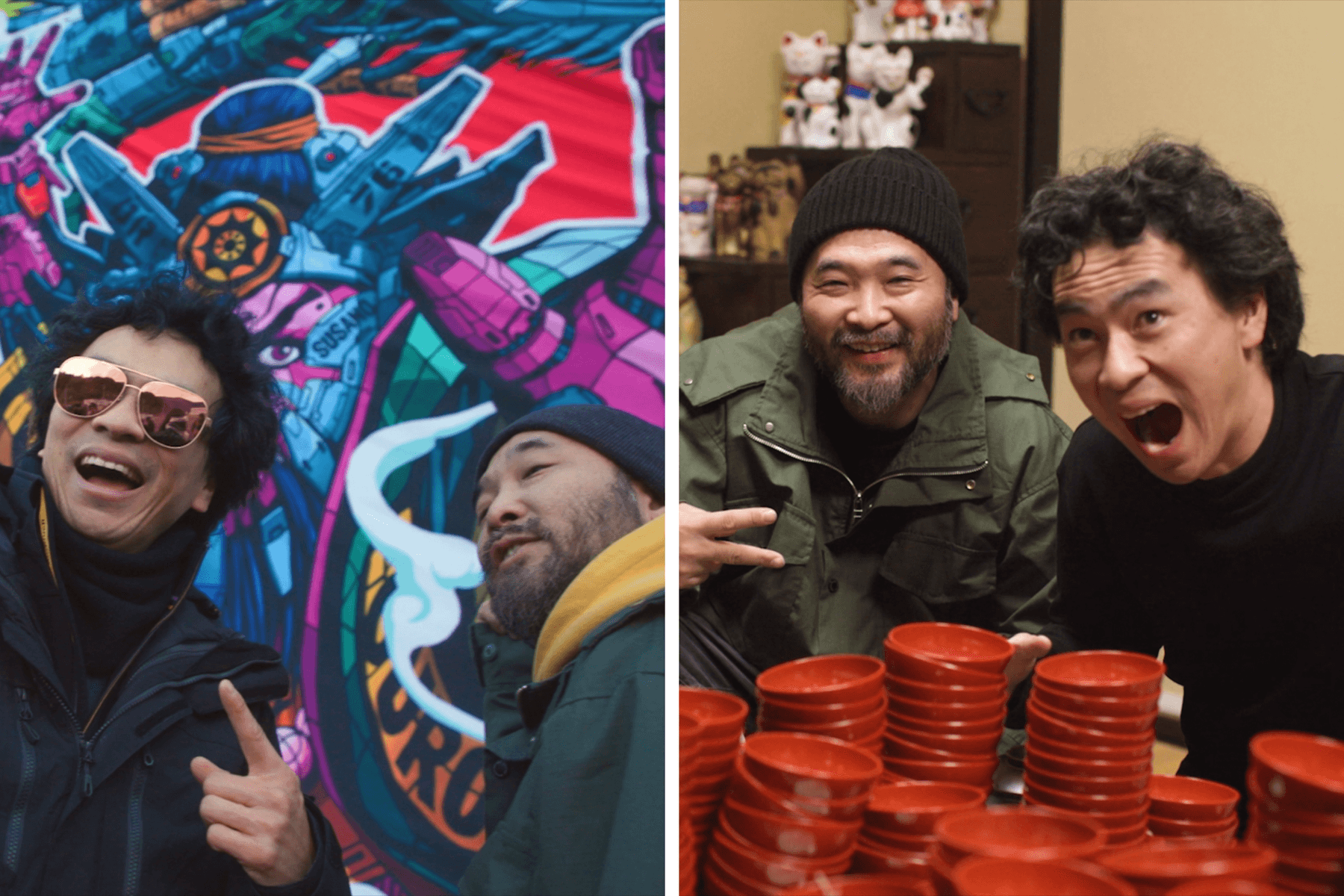
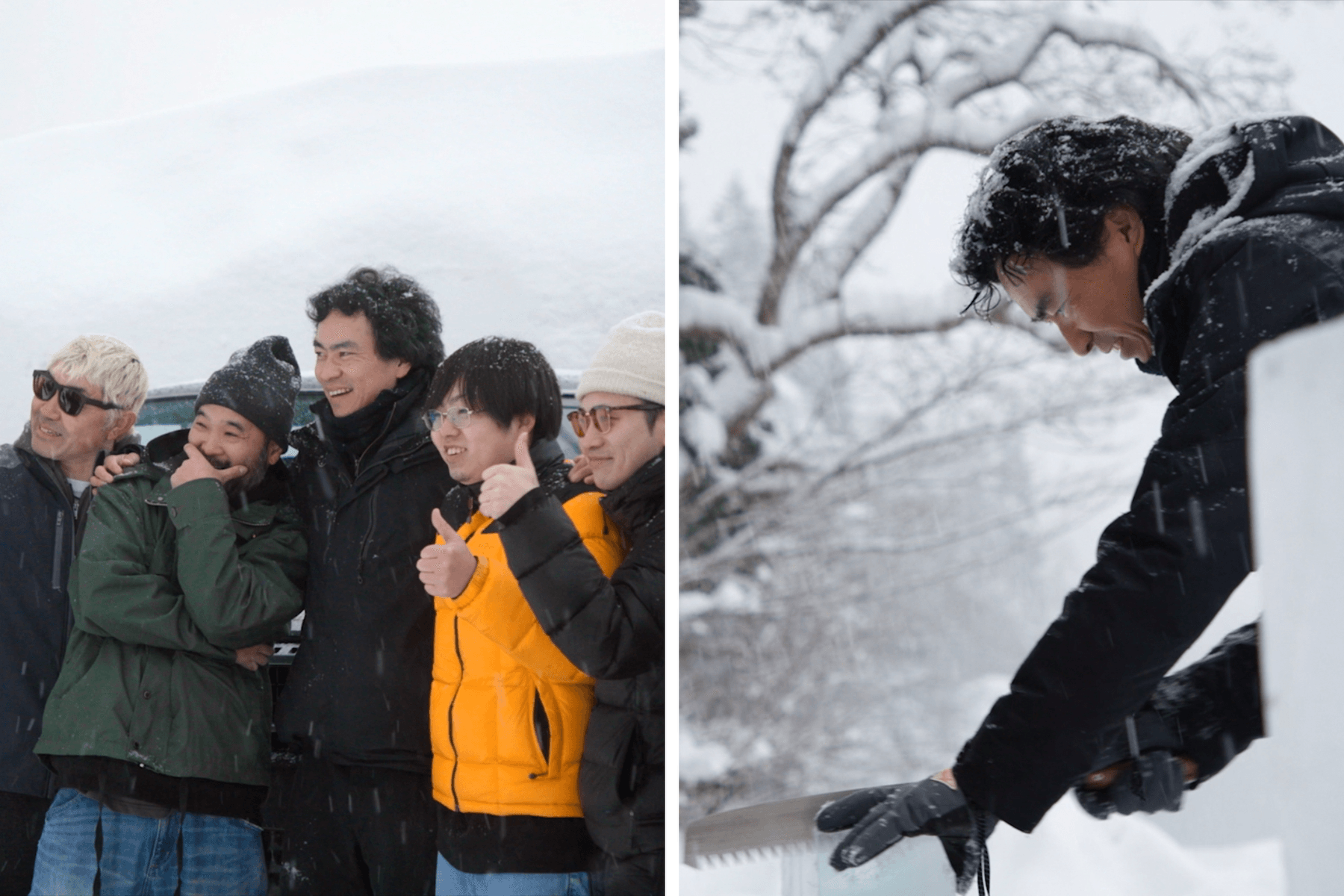
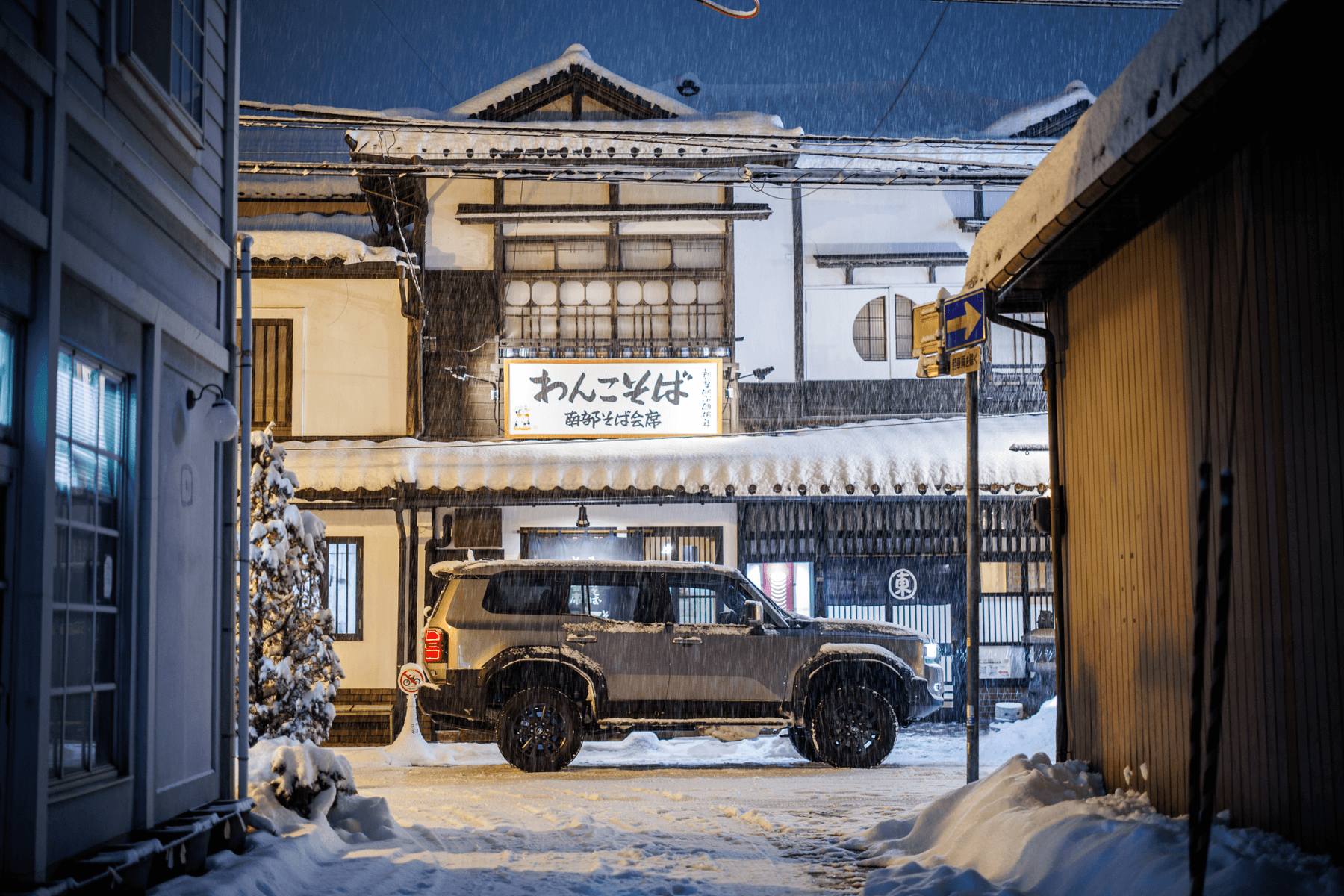
What was your first reaction when you found out about the cars you’d be able to interact with and drive in these episodes? Did you have a personal favorite?
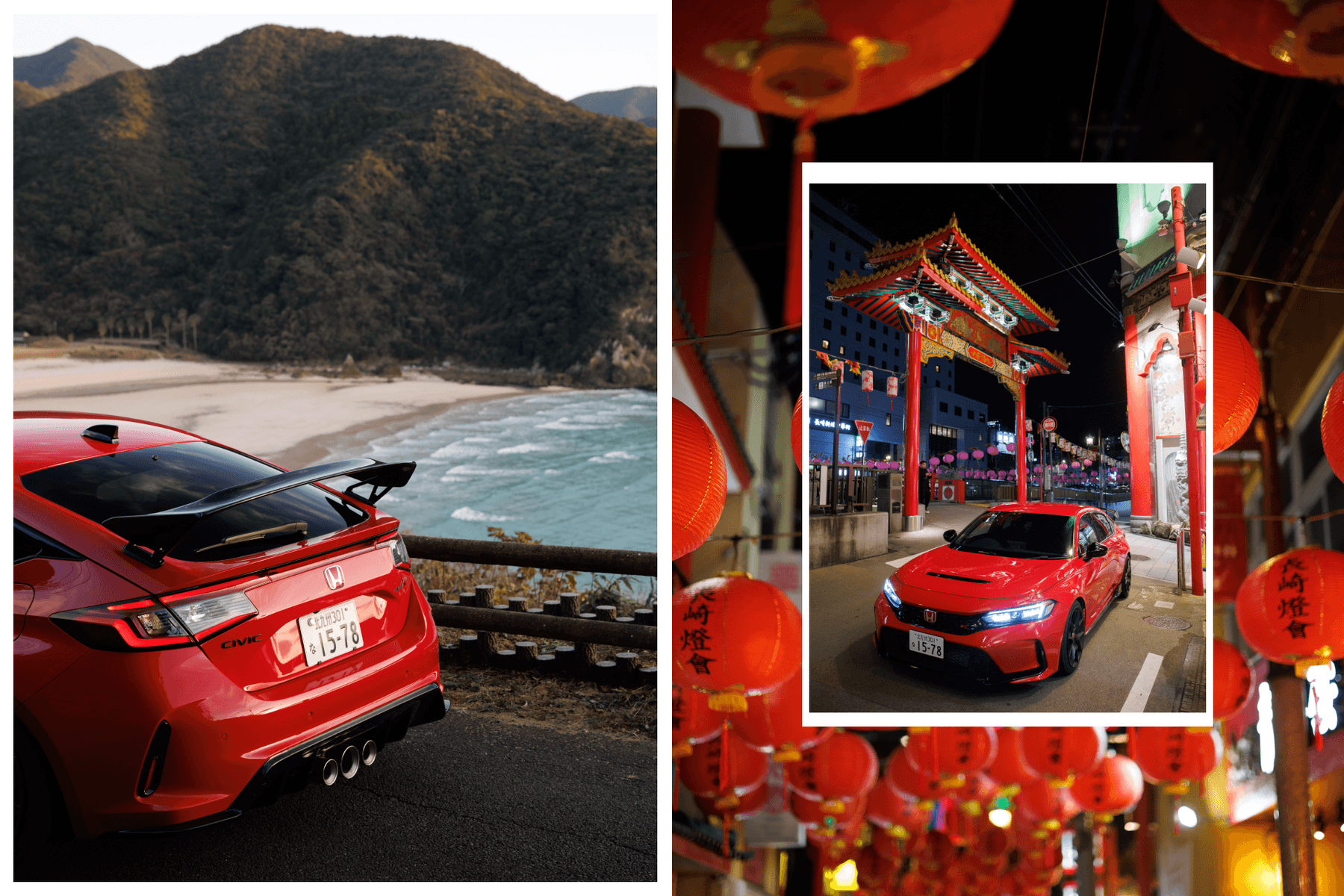
All three cars we drove—the LC 250 Land Cruiser, the Honda Civic Type R and the Nissan Skyline R34 GT-R—are legendary in their own right and come from a deep lineage of iconic Japanese vehicles. I genuinely enjoyed all of them because I have a personal connection to each one in some way.
For example, with the LC 250 Land Cruiser, I had the chance to watch the very first one get built at the Tahara plant in Japan, from raw metal to a fully running vehicle. I’m also a big Land Cruiser fan—I drive an LC 200 daily. The Civic Type R is special to me because I’ve always been a fan of Honda, and my daily driver in Japan is a 2000 Integra Type R. I’m really familiar with the Type R lineage and how fun they are to drive—arguably the most fun front-wheel-drive cars out there.
If I had to pick a favorite, it would probably be the Type R. The R34 GT-R is a different story—it’s hard to compare anything to it, especially since I own one myself and went through the process of restoring it in Japan before importing it to the U.S. So each car had a strong personal connection for me, even down to owning one of them.
Each region in the project has its own identity—what moments on the road stood out as defining for you?
We shot across the Kanto, Kyushu and Tohoku regions, and each one had its own identity. I spent the most time in Kanto, since that’s where a lot of Japanese car culture is centered, so I’m very familiar with Tokyo and the surrounding areas.
Tohoku, though, really stood out to me. I had never spent much time there before, and I couldn’t believe how beautiful it was. The whole time I was there, I kept thinking I needed to come back—with different cars and a deeper focus on the car culture in that region.
I’ve been to Kyushu a couple of times, but this trip gave me the chance to drive new roads and visit cities I hadn’t experienced before, which completely changed how I see it. Overall, the biggest takeaway for me was realizing I shouldn’t stay in Kanto every time I visit Japan. There’s so much more to explore across the country.

As an artist yourself, what important things did you learn from the other artists you were able to talk to and share these moments with?
I think what I learned from these artists is that they’re all at different stages in their careers, which really shaped what this project meant to each of them. It gave me a deeper understanding of what’s important to them and how they approach their work.
For example, for Kazuhisa, this is the biggest project he’s ever done, so it carries a lot of weight—especially knowing that more people will be able to see his work for the first time. Then you have someone like Inko, who is already very established and widely published. Even so, it’s still important for her to push into something new while staying true to her style.
Dragon is also incredibly talented and well established, but what stood out to me was how he was actively taking inspiration from everything we were experiencing in real time and thinking about how to incorporate that into his work. That perspective felt different from the others and showed how each artist processes the same experience in their own way.
If someone has never been to Japan, what do you hope this project shows them beyond just the roads and cars?
I think what excites me most is that people who’ve never been to Japan will get to experience it for the first time in a way that feels authentic—not just through car culture, but visually through the game, Forza Horizon 6. It reminds me of how I first experienced places through videos, games and photos, and then finally visiting them in real life, where that sense of familiarity makes it even more meaningful.
Because the game draws inspiration from real locations, some of these environments feel incredibly true to life. The level of detail is impressive—you get a real sense of what it’s like to be in Tokyo, at a meet-up spot or around car culture hubs. It shows how much care went into building the world, and that really comes through in the final experience.
More than anything, I hope it gives people a genuine glimpse into Japan’s culture and makes them want to experience it for themselves.
For fans of Forza, how do you think this series changes the way they’ll experience driving through Japan in the game?
I think fans of Forza have been closely following every bit of content released since the game was announced. This series (The Art of Driving) adds another layer by showing just how much work and detail go into building the world—especially the artwork and smaller elements that might otherwise go unnoticed.
When players see these details in the game, it changes how they experience them. Instead of just driving past at high speed, there’s a greater appreciation for what went into creating those moments, whether it’s a piece of graffiti or a specific environment.
It gives players a deeper understanding of the craftsmanship behind the game and makes the experience feel more intentional and immersive.
What excites you most about jumping into FH6 when it drops on May 19—and what are you most looking forward to experiencing in the game?
I personally can’t wait to play the game, because I actually want to visit these places that I visited in real life, in the game.
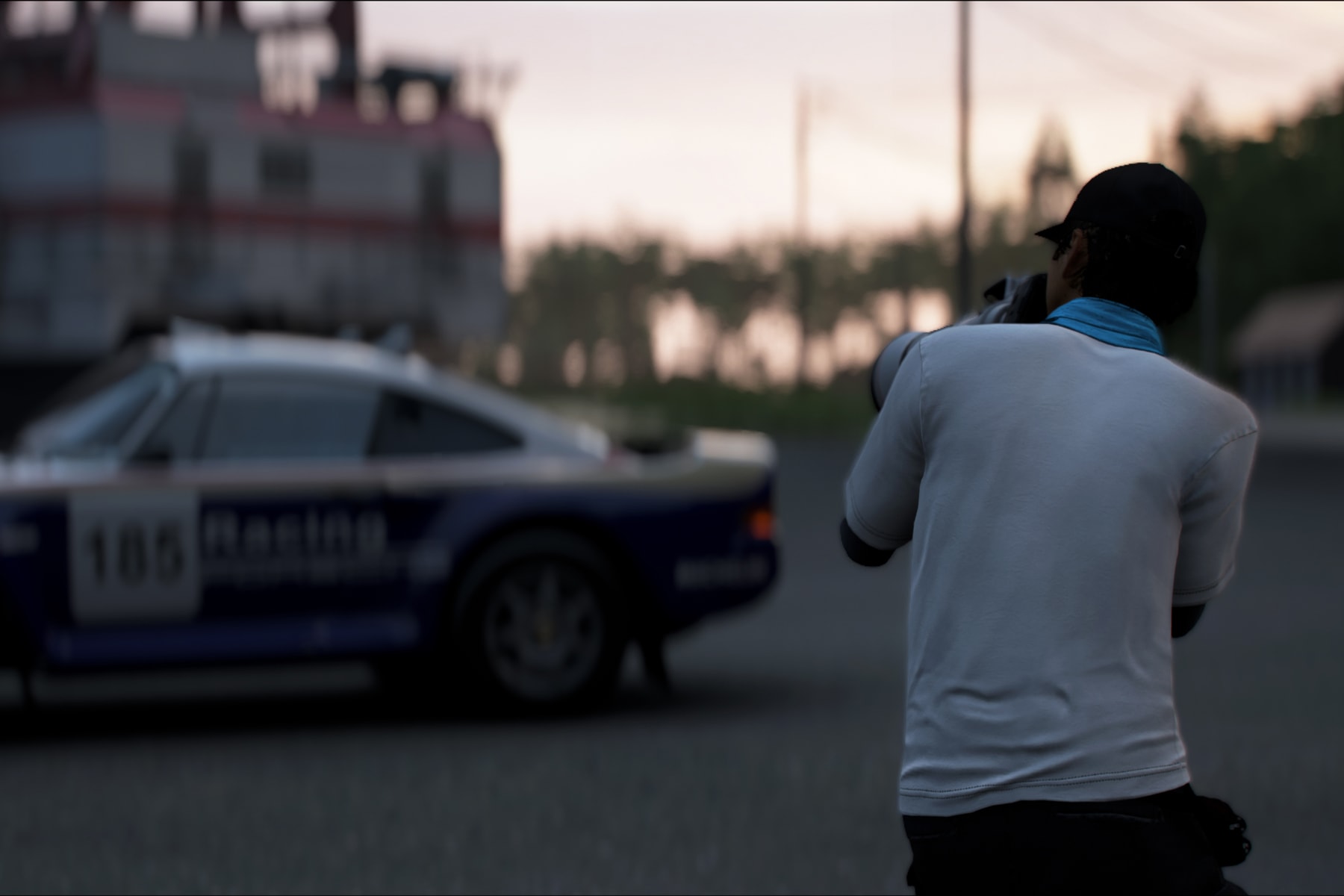
Lastly, we couldn’t help but spot you in Forza Horizon 6’s Initial Drive content which debuted last week… is there something we should know?
Yes, I can confirm that my collaboration with the Forza Horizon team goes beyond just working with them on The Art of Driving, and I will be making an appearance in the game. It’s an honor to work with the game studios Playground Games and Turn 10 Studios, and I’m so excited to have been able to be integrated in this way. I’d love to leave it at that though – fans can find out when they jump into the game exactly what we’ll be getting up to!
**This interview has been edited for length and clarity.