








The Styles Tiger Woods Wore Before He Became a Brand
Sun Day Red’s ’96-inspired capsule is more about memory than nostalgia.

This may come as a surprise to some, but there’s a lot of material to pull from the career of Tiger Woods. There are long periods of dominance, personal issues played out in public, injuries, comebacks and a redemption arc that rivals a Christopher Nolan script. But it’s hard to scroll Instagram for long before you run into a late-90s Tiger moodboard.
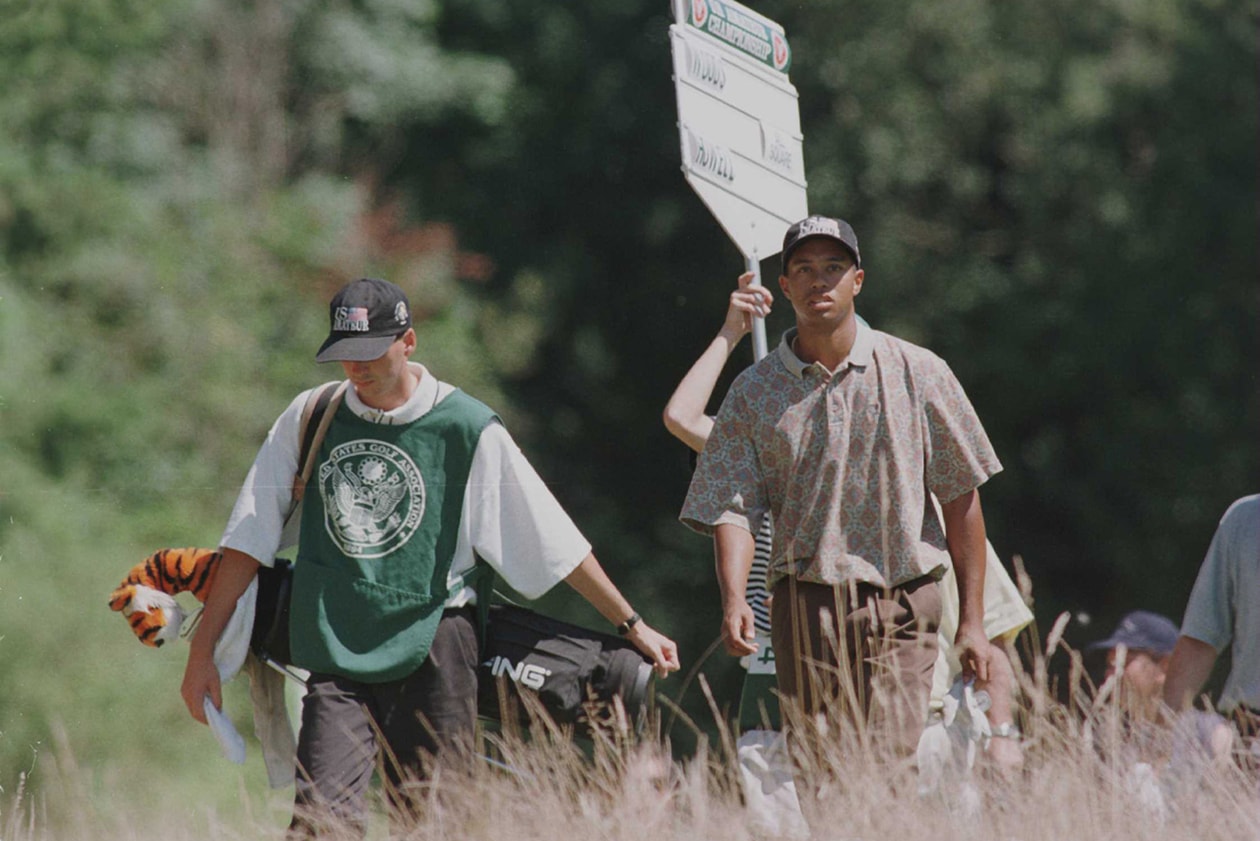
Before turning pro and signing with Nike, Tiger dressed like a kid who wore his heart on his sleeve and pulled items out of a dark closet at 7AM before school. And somehow, it worked. The straw hats, boxy polos, bandana prints and wild color blocking. They’ve all become reference points for what golf looked like before it was fully commercialized. So it’s no surprise Sun Day Red keeps returning to this era for inspiration.
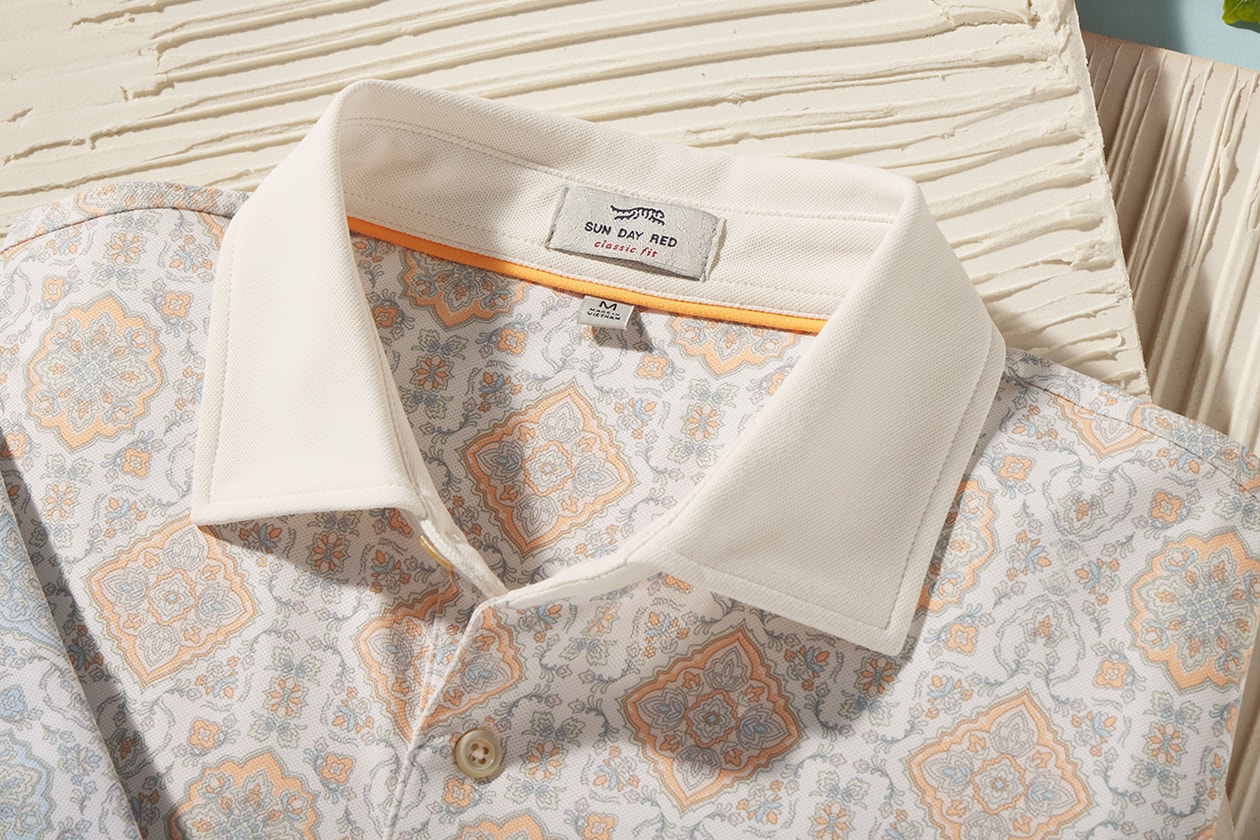
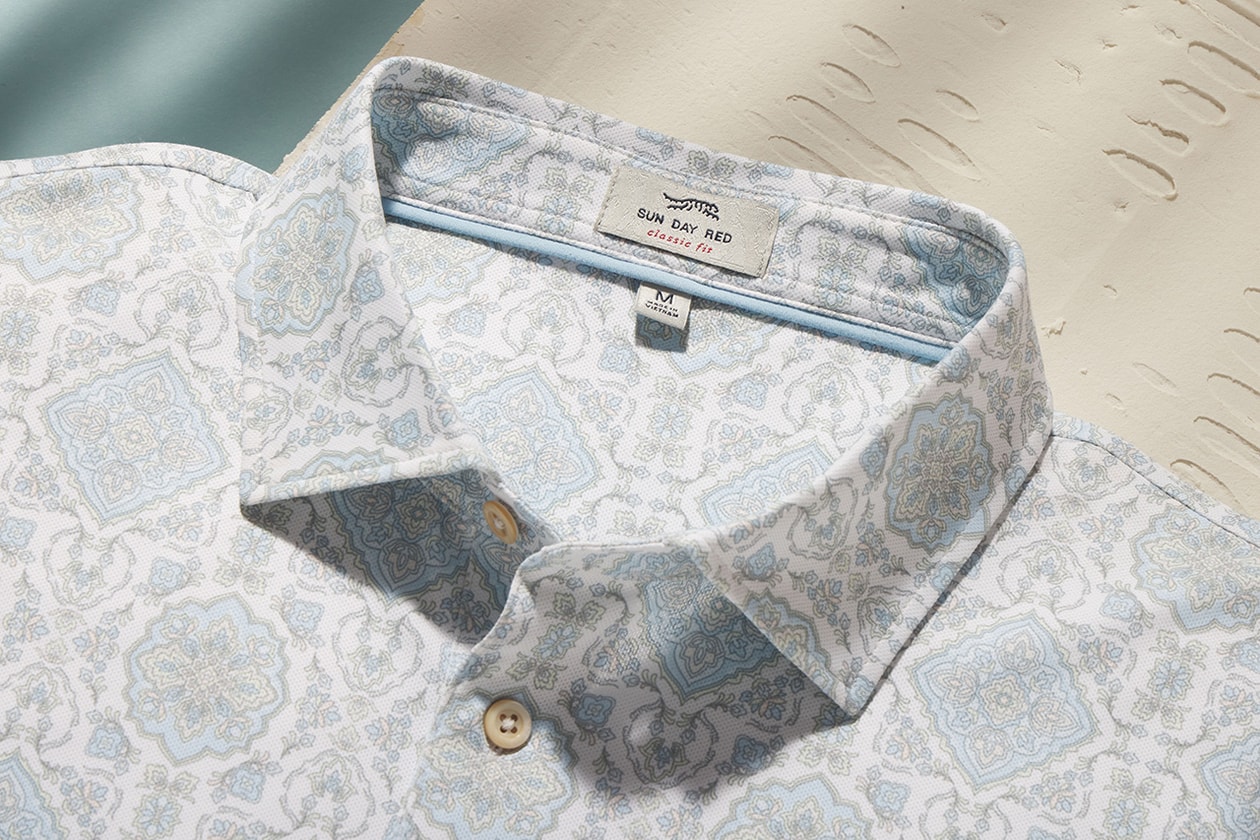
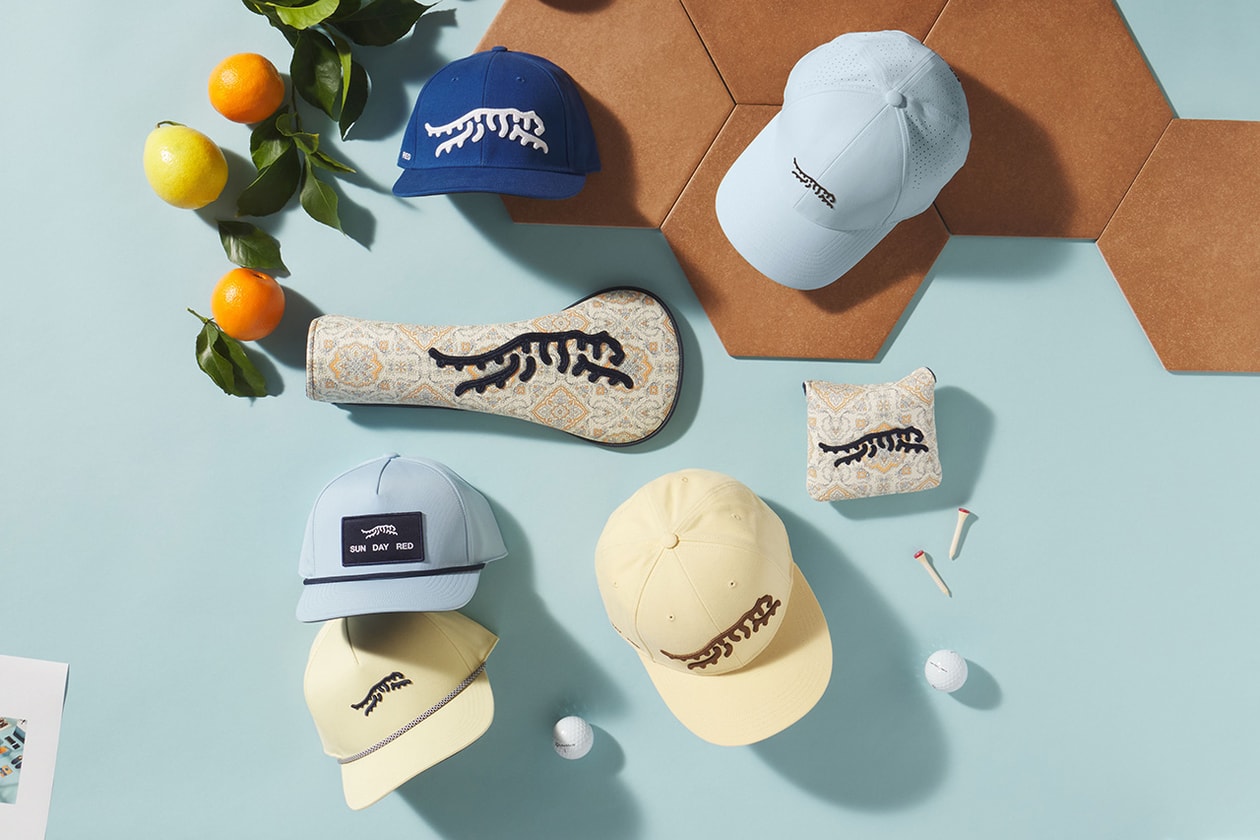
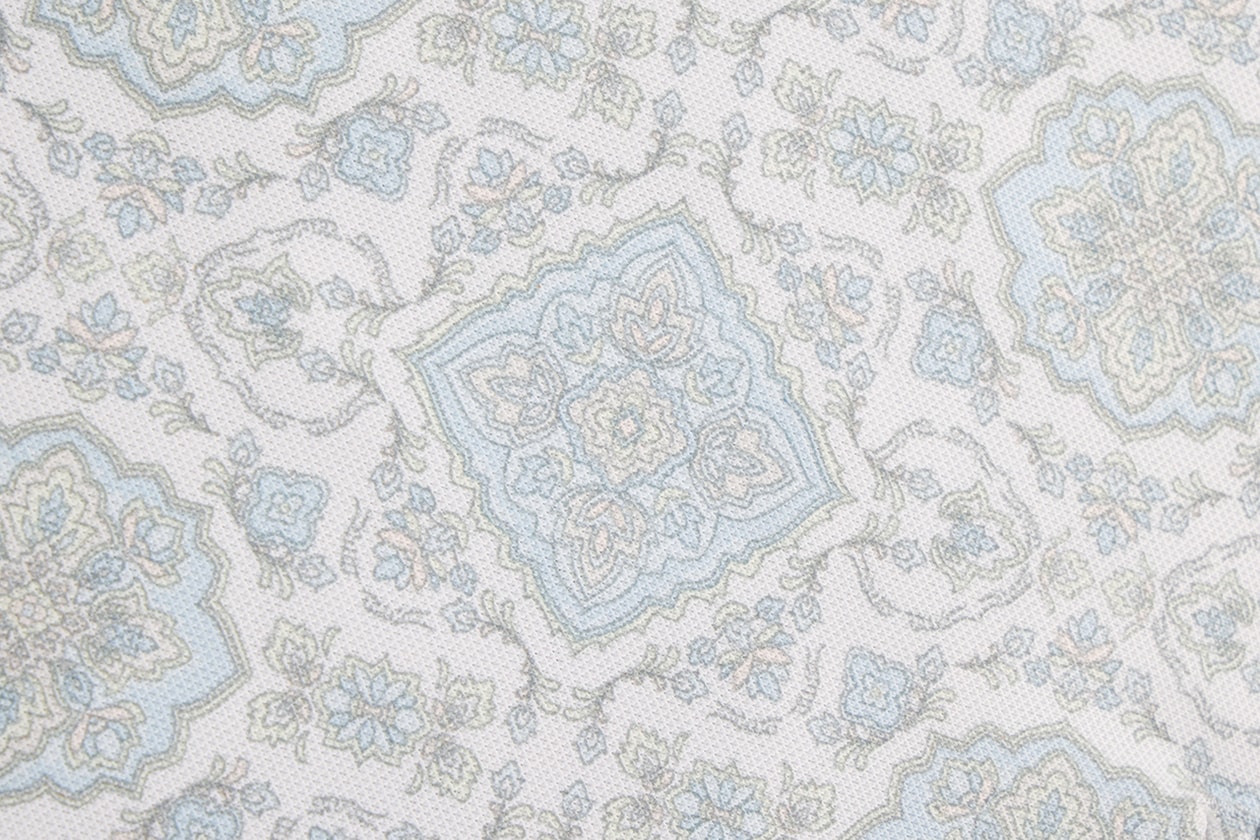
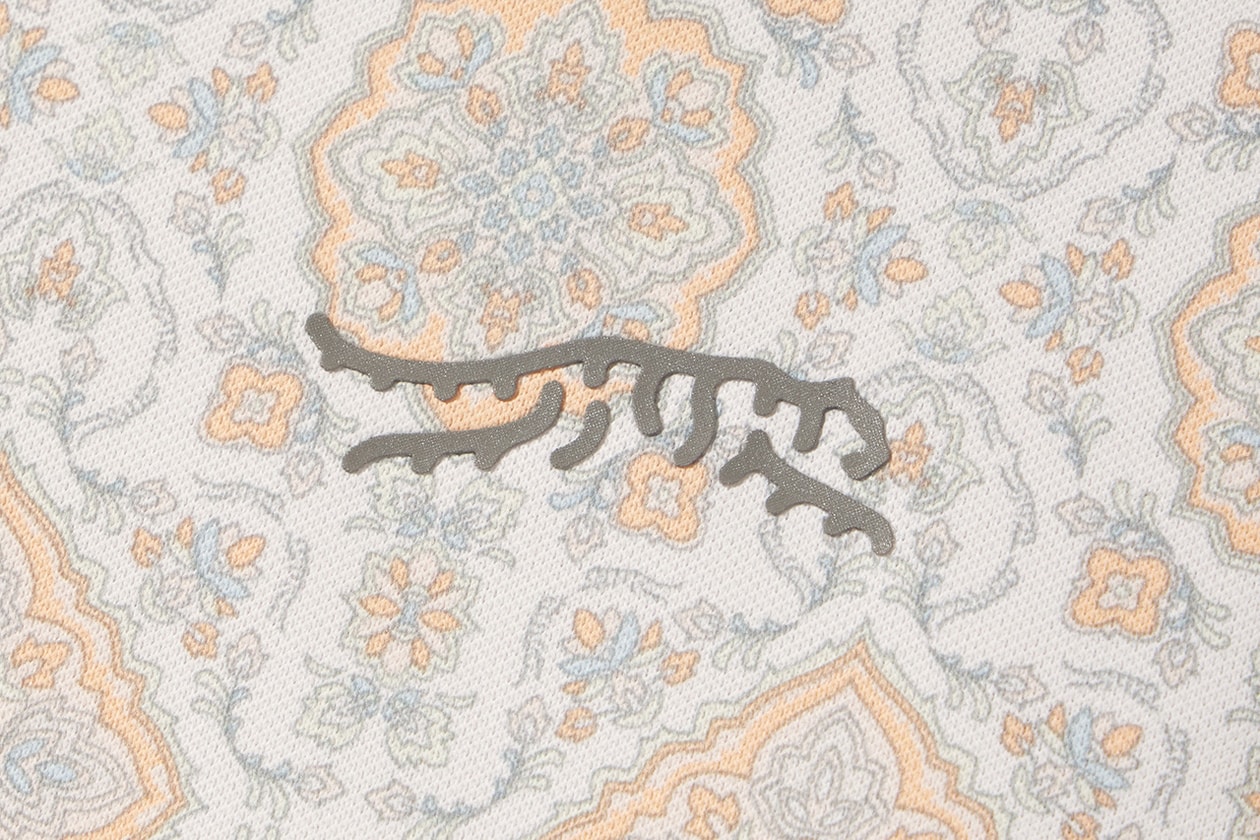
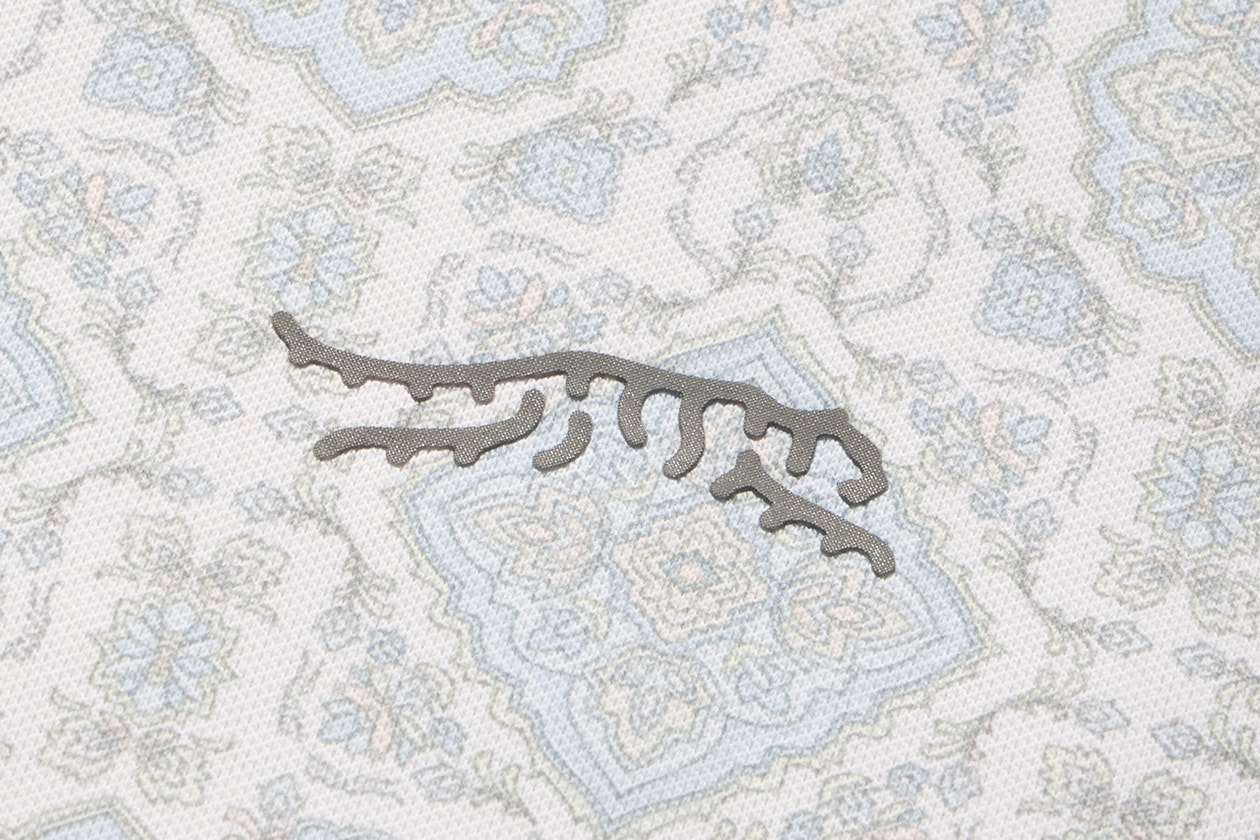
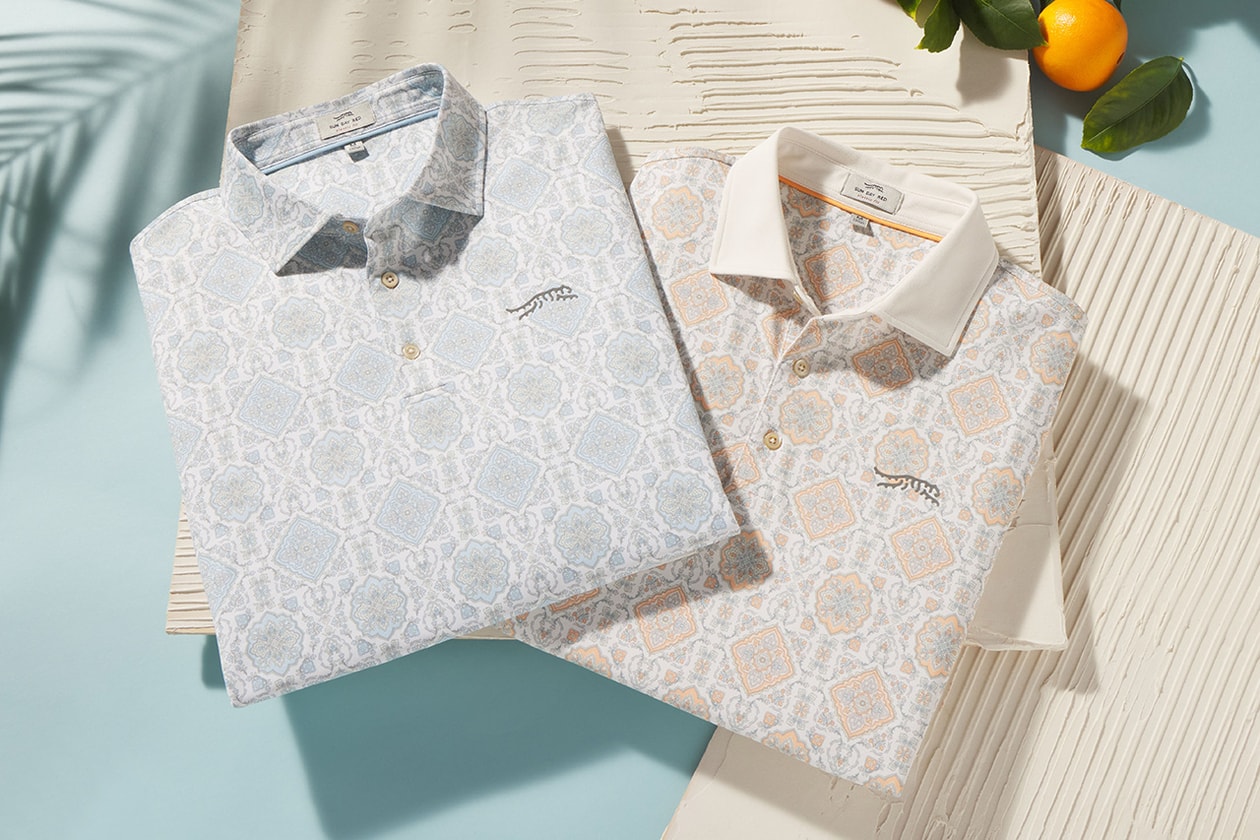
Tiger does, too. But to him, those polos, which once sat in a room at his late mother’s house, aren’t moodboard material. They’re tangible memories, the way a song can take you back to a specific time and place. The ‘96 Throwback capsule, which Sun Day Red launched around for next week’s Genesis Invitational, is anchored by one of his more iconic ’90s tops.

Sun Day Red
Sun Day Red
Sun Day Red
Sun Day Red
Sun Day Red
Sun Day Red
Sun Day Red
Sun Day Red
Sun Day Red
“[Tiger's] very fond of his amateur days,” Sun Day Red senior creative director Cajé Moye told us ahead of the launch. “He just turned 50, so he’s very nostalgic just like everybody else. And he’s got a weird mind where he sort of remembers everything about his career. He can look at a shirt and say, ‘Oh man, I wore that in 1991 in the first round and shot 82.’”
Like recounting the final round of a major down to the club he hit on 18, Tiger remembers the clothes on his body as a feeling, not just an image.
“He looks at some of these pieces and says, ‘Man, I used to wear that plaid at the Open Championship, and I remember one time it rained and this and that,’” Moye says. “So he sits there and starts storytelling about these pieces.”
That doesn’t mean Tiger was indifferent to style. He was a Southern California kid who loved sports, and with a little help from his mother, Kultida, he mixed colors, references and silhouettes with the same freedom as a hook around a tree.
“He was just wearing whatever. And he would just pull something because he liked the colors. A bucket hat? Sure, why not. And he might have a Georgetown Hoya basketball cap because he was really big into sports. So he would just be wearing athletic caps…wide-leg pleated pants. Now those are really cool again.”
J.d. Cuban/Getty Images
What’s most interesting is how those references translate today. In a world where competitive style often leans safe and performance-driven, the ’90s Tiger aesthetic feels like a breath of fresh air. The patterns and silhouettes once dismissed as corny are now being recycled by a younger generation, including Tiger’s own son Charlie.
“The funny thing about it is Charlie’s now a high school kid and he’s becoming quite a good golfer. And he’s transitioned from, ‘Dad, you’re not cool,’ into ‘Yeah, Dad’s pretty cool,’” Moye says. “Tiger might look at a print and say, ‘Well, I don’t know, that seems kind of busy,’ and Charlie’s like, ‘You’re crazy, that’s sick.’ He steals stuff out of his closet, essentially.”
Sun Day Red’s nostalgic capsules still tug at heartstrings, even without an actively competing Tiger wearing them on Sundays. But the real power of this era isn’t just in visuals, it’s in what they represent. You can market an aesthetic, but you can’t manufacture a feeling.
In a world where what we see on TV is increasingly orchestrated and cultural moments are staged for quick online consumption, Tiger’s early legacy is a reminder that even the most iconic sports images started with a kid getting dressed.


